3 hr
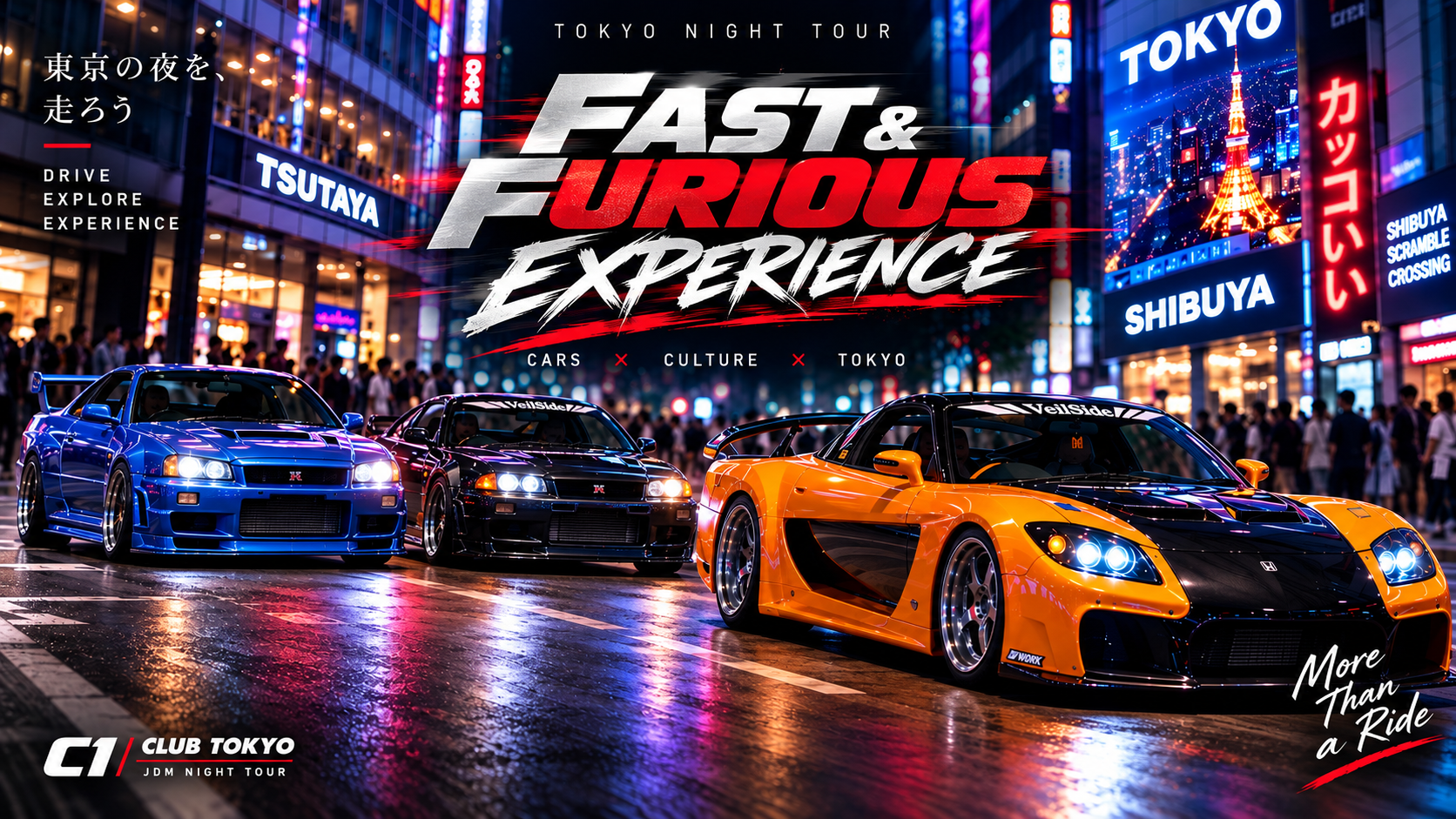
Fast & Furious Tokyo Drift Experience
- Entry ticket
- Mobile voucher
- Valid same day
- Free cancellation
Tokyo JDM Passenger Tour — Daikoku PA & Bayshore Route
Ride shotgun through Tokyo's underground car culture, where chrome meets asphalt under neon.
Compare fares, pick the fit — all bookings are mobile-voucher and eligible for free cancellation where shown.
3 hr
4 hr
3 hr
Selecting the right tokyo jdm passenger tour ensures you experience the authentic car culture at Daikoku Parking Area with reliable logistics. Whether you prefer a shared group environment or a private vehicle, choosing the correct transport format is essential for a smooth visit to this landmark.
| Shared Group Tour Budget-friendly seat in a van |
Top pick Private Vehicle Tour Exclusive transport with guide |
|
|---|---|---|
| Entrance Fee | 0 JPY | 0 JPY |
| Vehicle Type | Shared van or shuttle | Private luxury car |
| Group Size | Up to 10+ persons | 1 to 5 persons |
| Best Arrival Window | 20:00–22:00 | 20:00–22:00 |
| Logistics Included | Hotel pickup and return | Hotel pickup and return |
| Best for | Budget-conscious enthusiasts | Flexible, personal experiences |
| See tickets & prices |
Verdict: For the most reliable and efficient access to these Tokyo landmarks, we recommend the Private Vehicle tokyo jdm passenger tour tickets.
Worth it for JDM enthusiasts and car culture fans
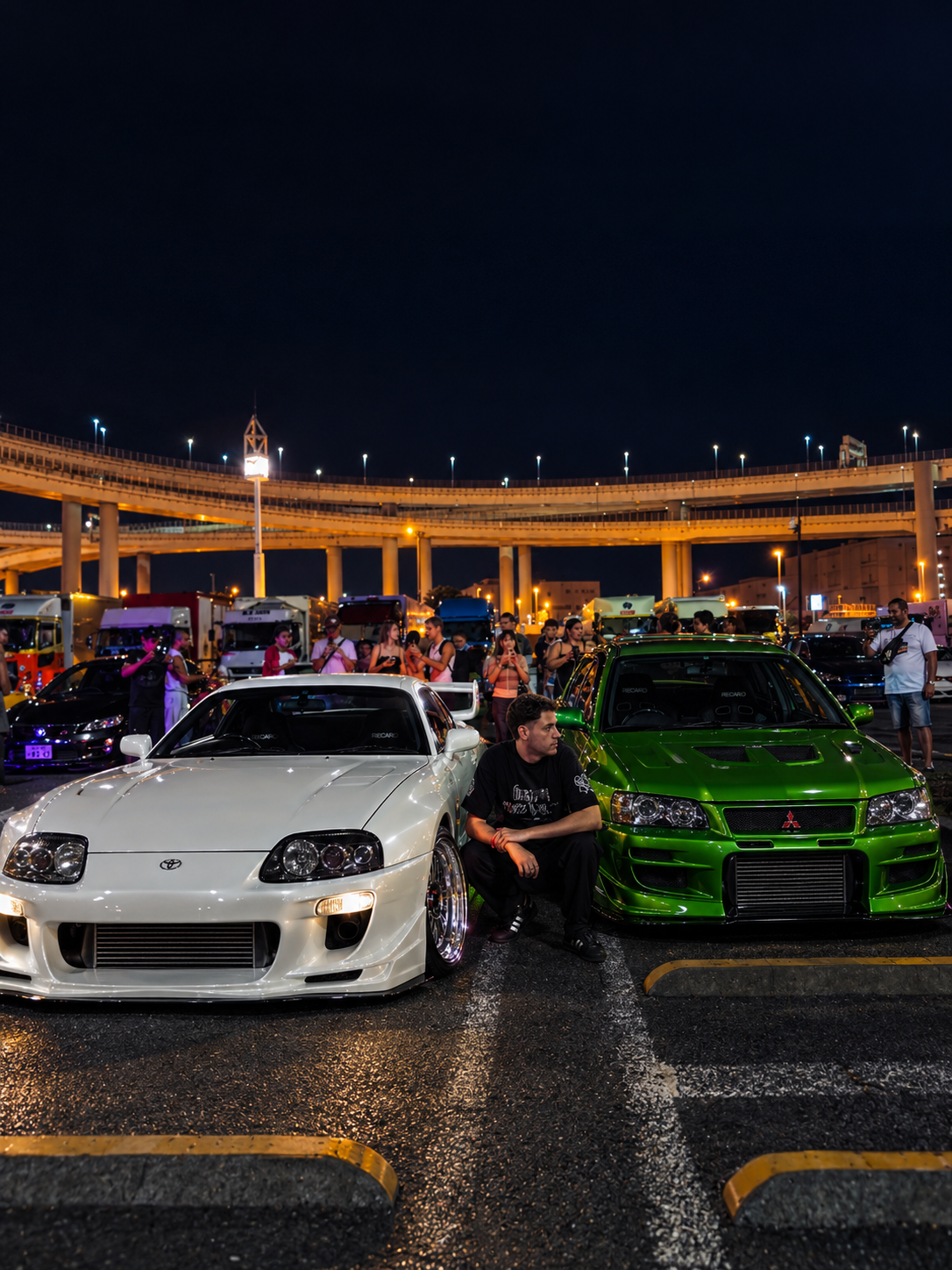
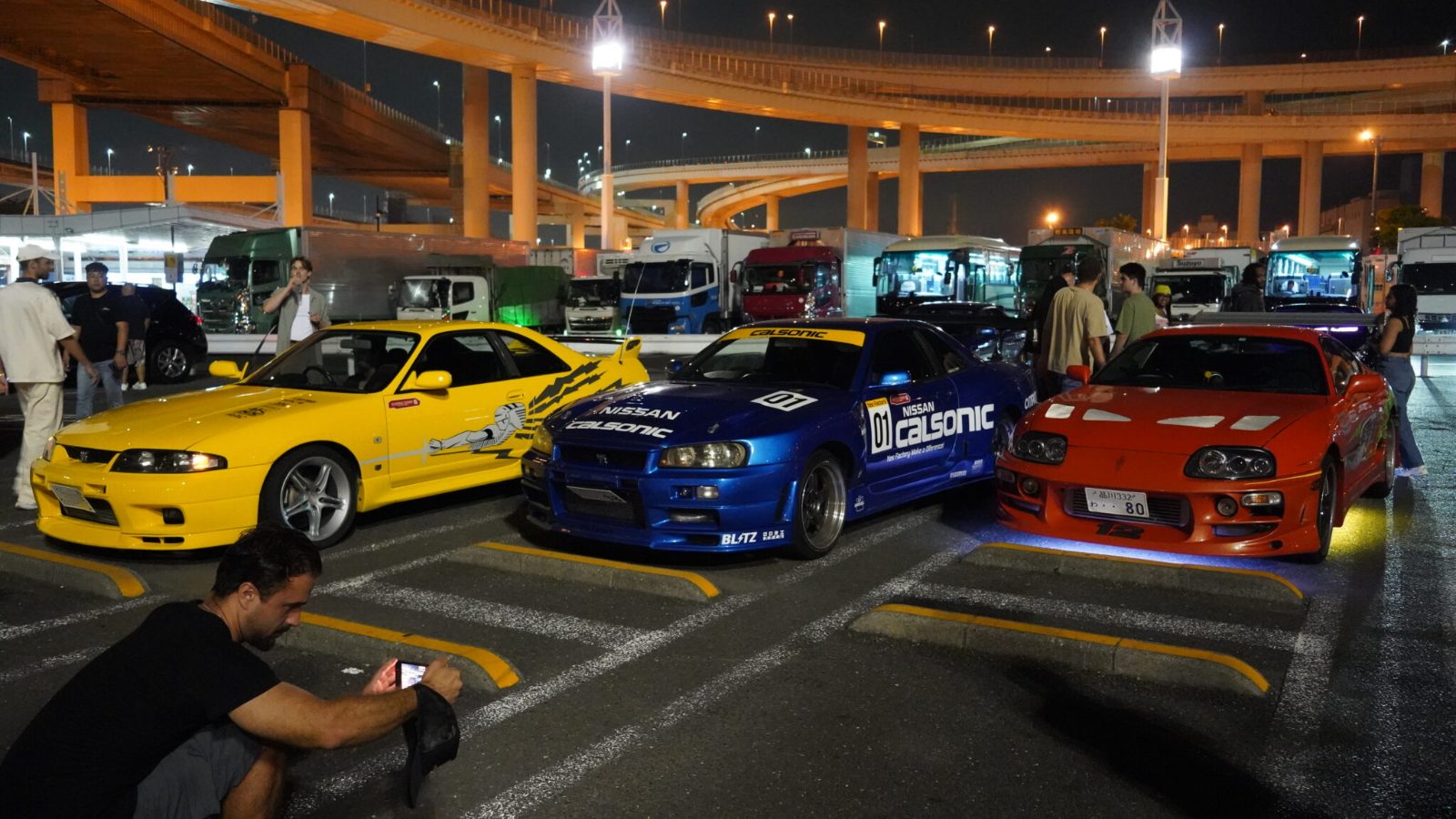
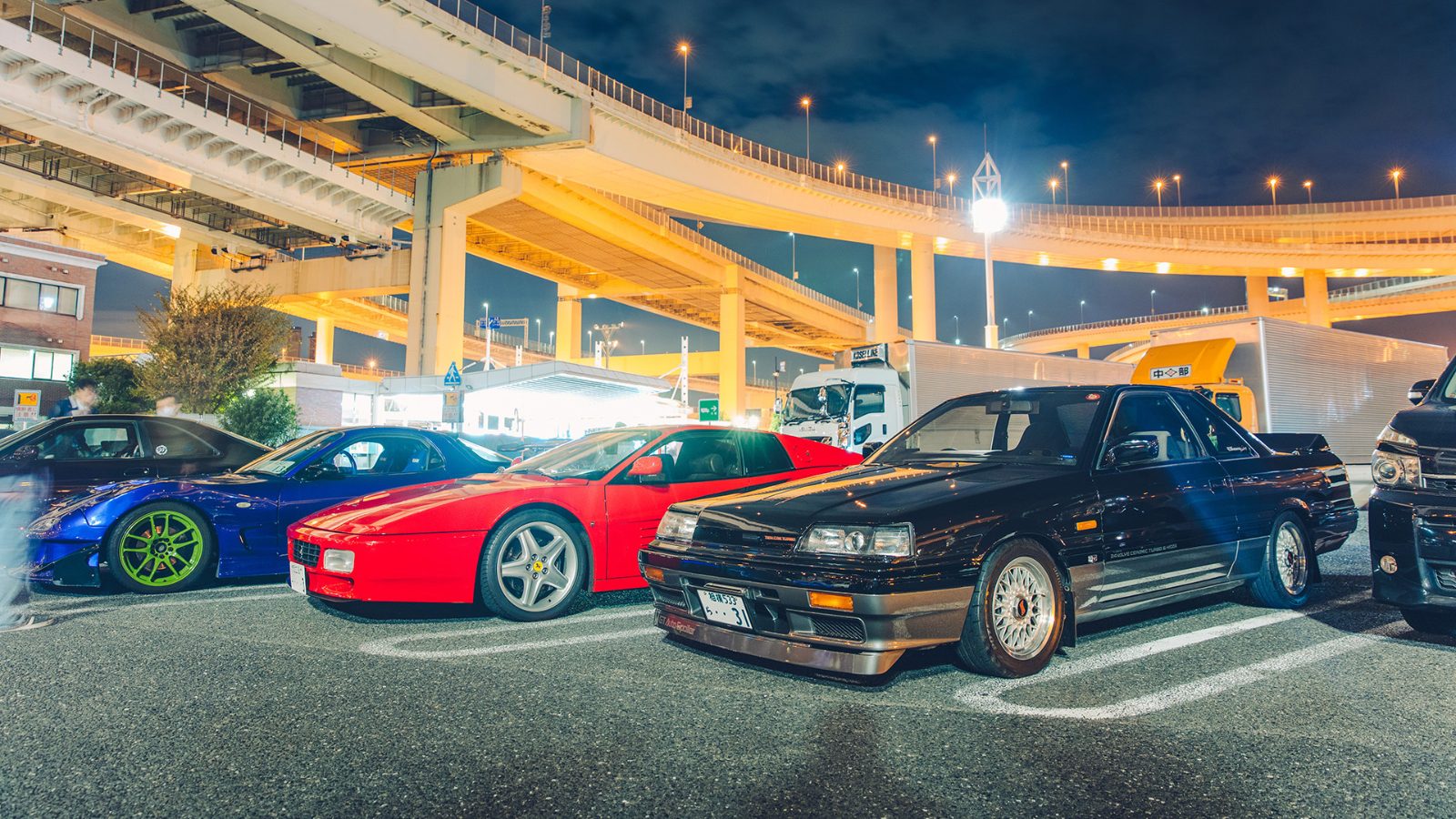
A tokyo jdm passenger tour to Daikoku Parking Area delivers authentic Japanese car culture without the hefty price tag—entry is completely free since it's a public expressway rest area. The real value comes from riding in iconic JDM performance machines (EVO, WRX, Skyline) through Tokyo's Bayshore Route before arriving at the legendary Daikoku PA meet spot. You'll see everything from heavily modified R32 Skylines to classic Toyota Supras and Honda NSXs, especially during the peak 20:00–22:00 window when enthusiasts gather. The Fast & Furious Tokyo Drift vibes are genuine—this is where Japan's tuner scene actually congregates, not a staged tourist attraction. Best for car enthusiasts who want immersive access to authentic JDM culture rather than passive sightseeing; casual tourists may find the experience niche.
Bottom line: If Japanese performance cars and tuner culture excite you, tokyo jdm passenger tour options to Daikoku PA offer unmatched authenticity at the heart of Tokyo's street racing legacy.
Most visitors prefer the tokyo jdm passenger tour for guided expert insights, whereas independent enthusiasts often opt for private car meet attendance to enjoy spontaneous vehicle showcases at their own pace.
|
Top pick tokyo jdm passenger tour |
Private Car Meet Access | |
|---|---|---|
| Focus | Guided JDM culture education | |
| Access | Private transport included | |
| Format | Planned group itinerary | |
| Accessibility | High (convenience focused) | |
| Booking | Requires tokyo jdm passenger tour tickets | |
| Flexibility | Fixed schedule | |
| Content | Vehicle history and commentary | |
| Cost | Professional service rates | |
| See tickets & prices |
Verdict: Choose the tokyo jdm passenger tour if you prioritize curated, historical context, but look toward independent tokyo jdm passenger tour tours if you prefer unstructured time with the local car scene; note that many travelers also look into skip-the-line tokyo jdm passenger tour tour options for high-demand event nights.
Hand-picked experiences loved by thousands of travelers
3 hours 30 minutes
Free Cancellation
Ride iconic Japanese performance cars through Tokyo's legendary street racing routes and meetups
3 hours
Free Cancellation
Cruise Tokyo's expressways in owner-driven Skylines, Supras, and Silvias with stops at legendary car meets
3 hours
Free Cancellation
Drive legendary Japanese performance cars through Tokyo's highways and visit the city's iconic car meetup spot
3–4 hours
Free Cancellation
Ride shotgun in iconic tuned Japanese sports cars through Tokyo's legendary street racing districts
3-4 hours
Free Cancellation
Ride shotgun in legendary JDM sports cars through Tokyo's famed Shuto Expressway and meet Japan's car culture at Daikoku PA.
3 hours 30 minutes
Free Cancellation
Experience Tokyo's legendary street car culture at iconic gathering spots with an expert guide
4 hours
Free Cancellation
Explore Tokyo's authentic JDM car scene in a licensed modified car, visiting legendary meet-up spots after dark.
3 hours
Free Cancellation
Cruise Tokyo's neon streets in an authentic tuned Japanese sports car and dive into the legendary underground car scene.
Enter the parking lot via the expressway loop
Walk the rows to view modified sports cars
Visit the shop and amenities
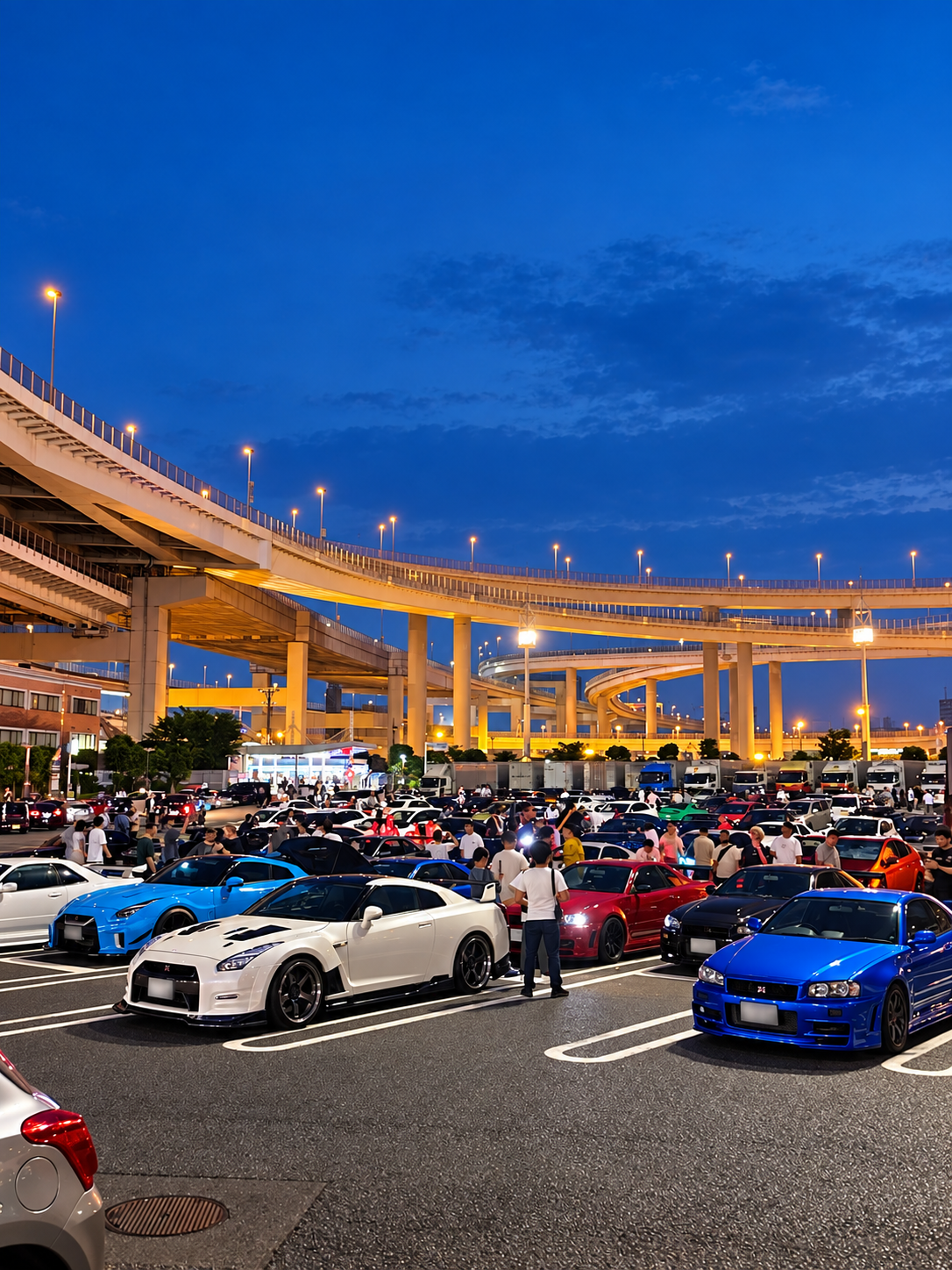
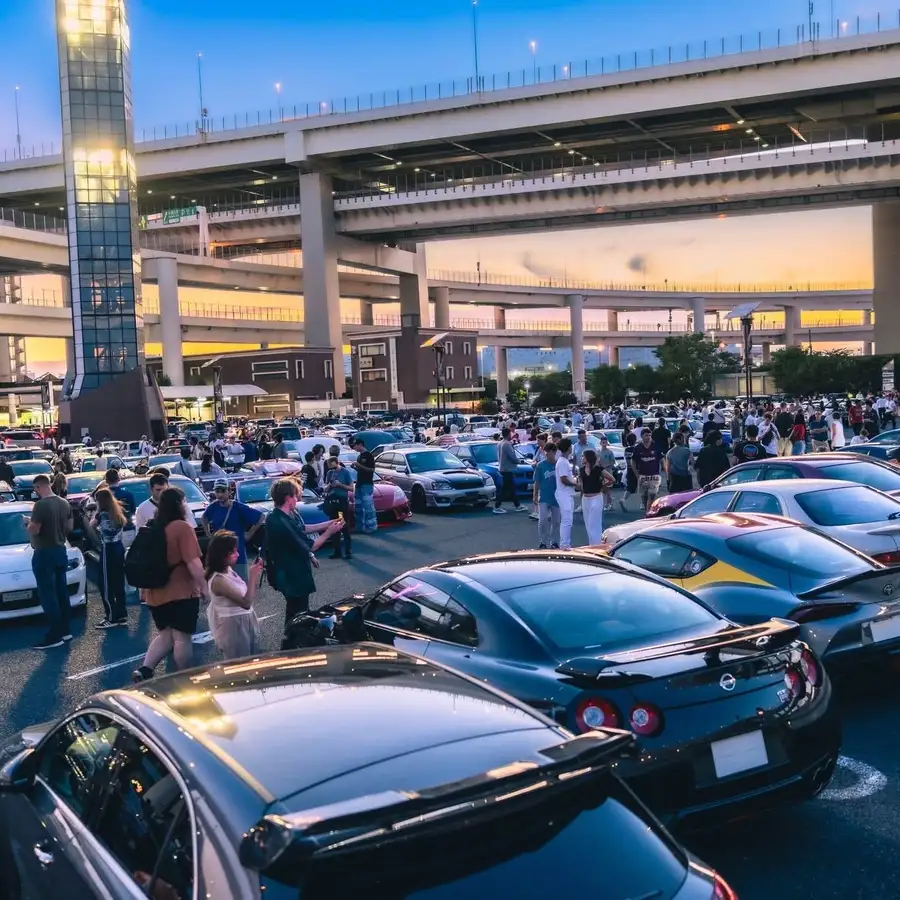
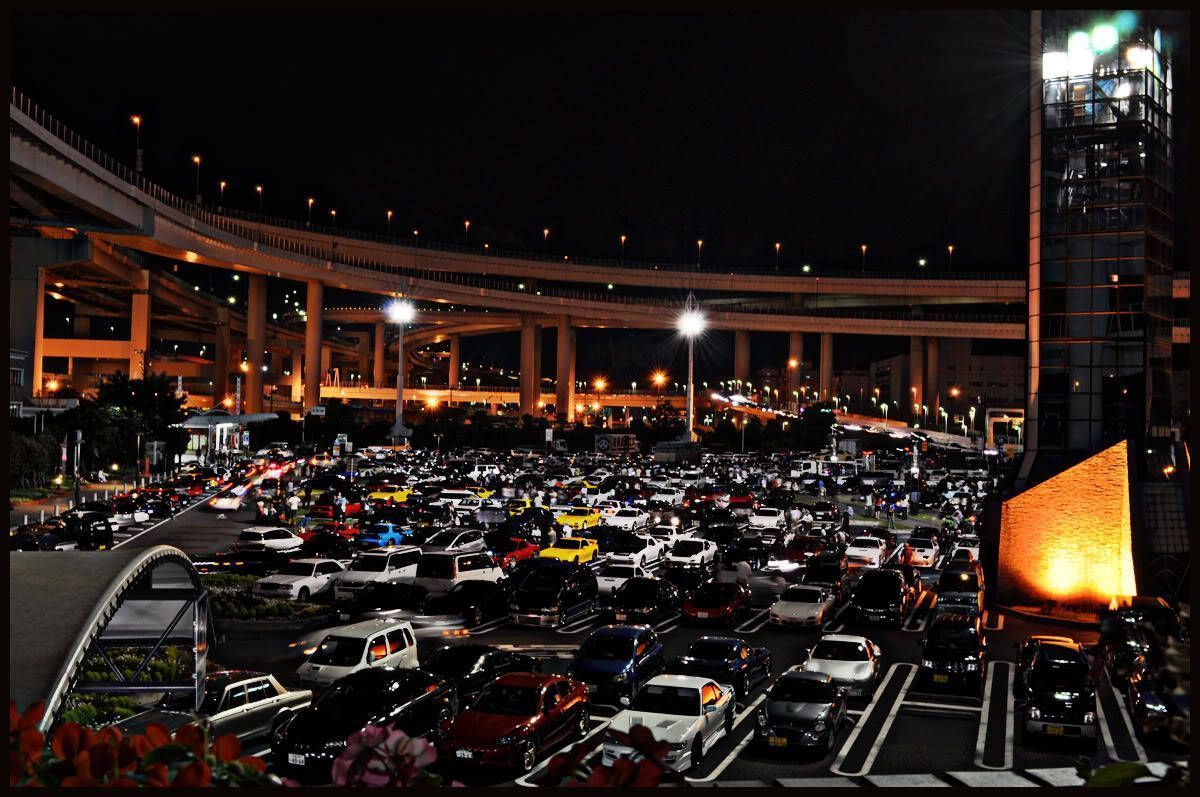
The primary parking area where enthusiasts gather to display modified JDM vehicles. Thousands of cars pass through here for a typical tokyo jdm passenger tour experience.
This elevated spot offers views of the Shuto Expressway loop. It is a prime location for watching traffic flows during your tokyo jdm passenger tour.
The central facility for snacks and local souvenirs. It is a necessary stop during any tokyo jdm passenger tour visit.
Look out toward the iconic structure nearby. This landmark provides a scenic backdrop for your tokyo jdm passenger tour photographs.
The specialized area where rare models often congregate. This is the heart of the automotive culture experience during a tokyo jdm passenger tour.
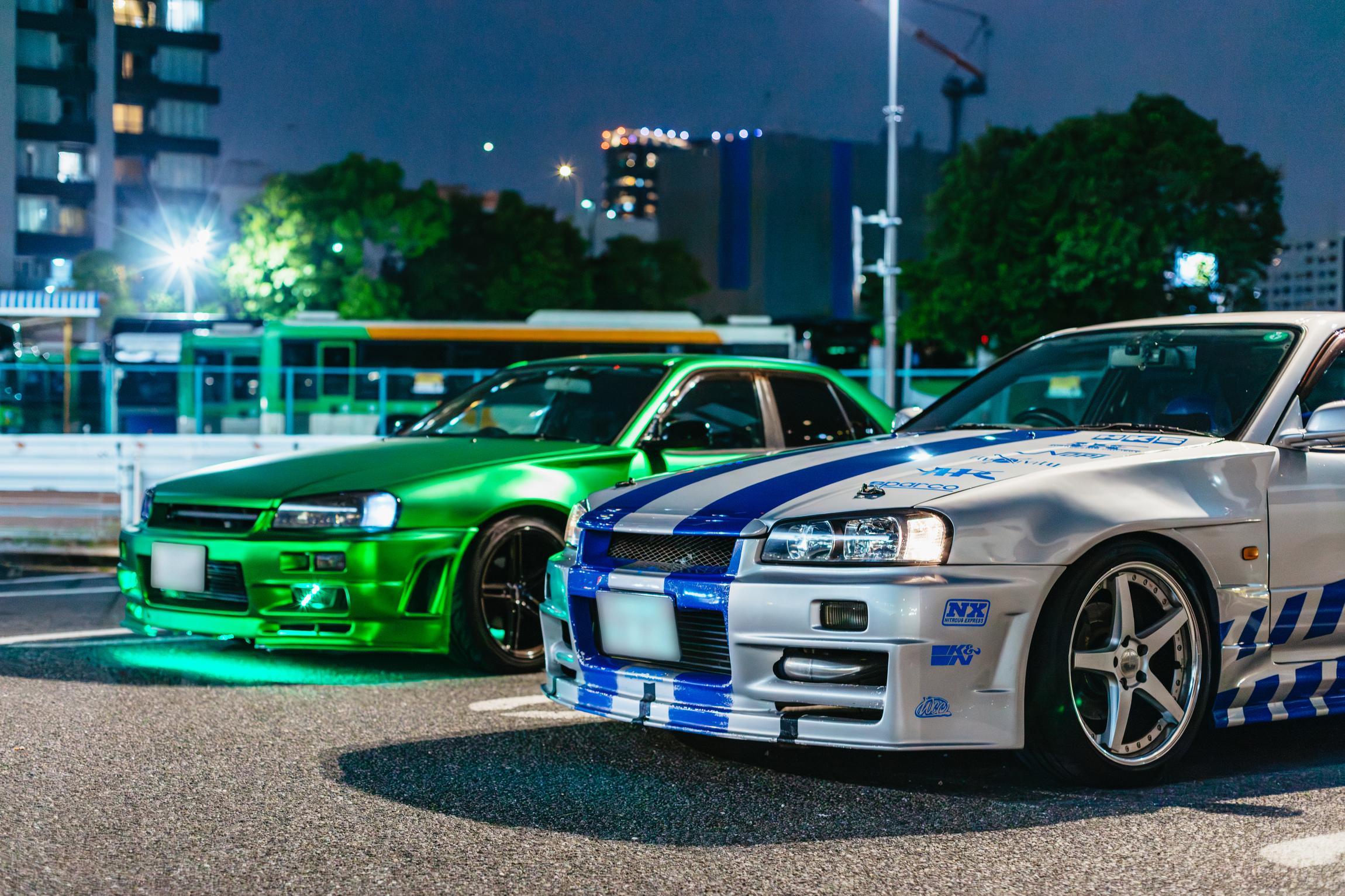
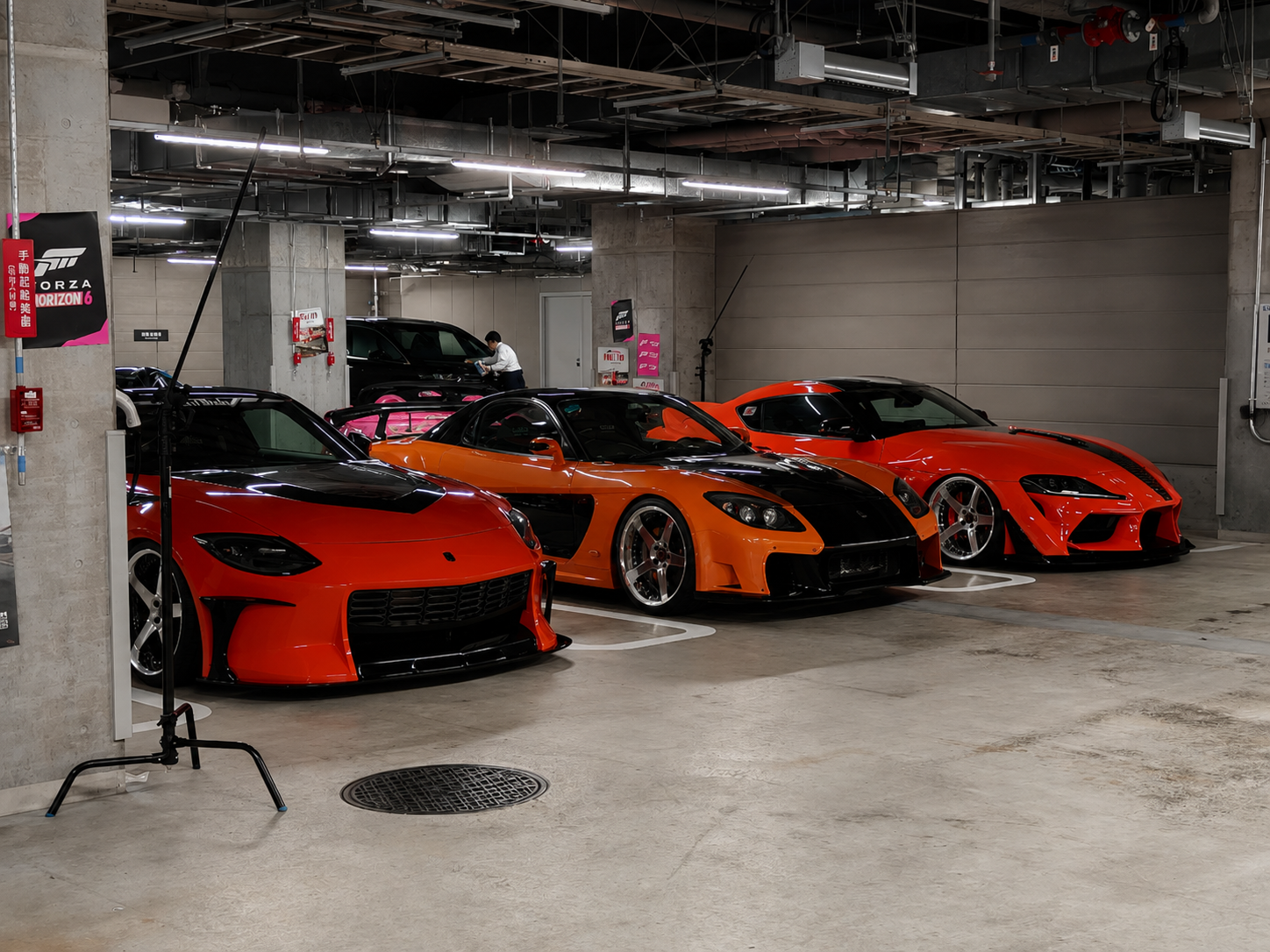
You meet your driver near Yokohama Station as dusk thickens into night, then slide into the passenger seat of a tuned Skyline or Evolution—bucket seat bolstered tight, roll cage visible in the rearview. The cabin smells faintly of race fuel and tire rubber.
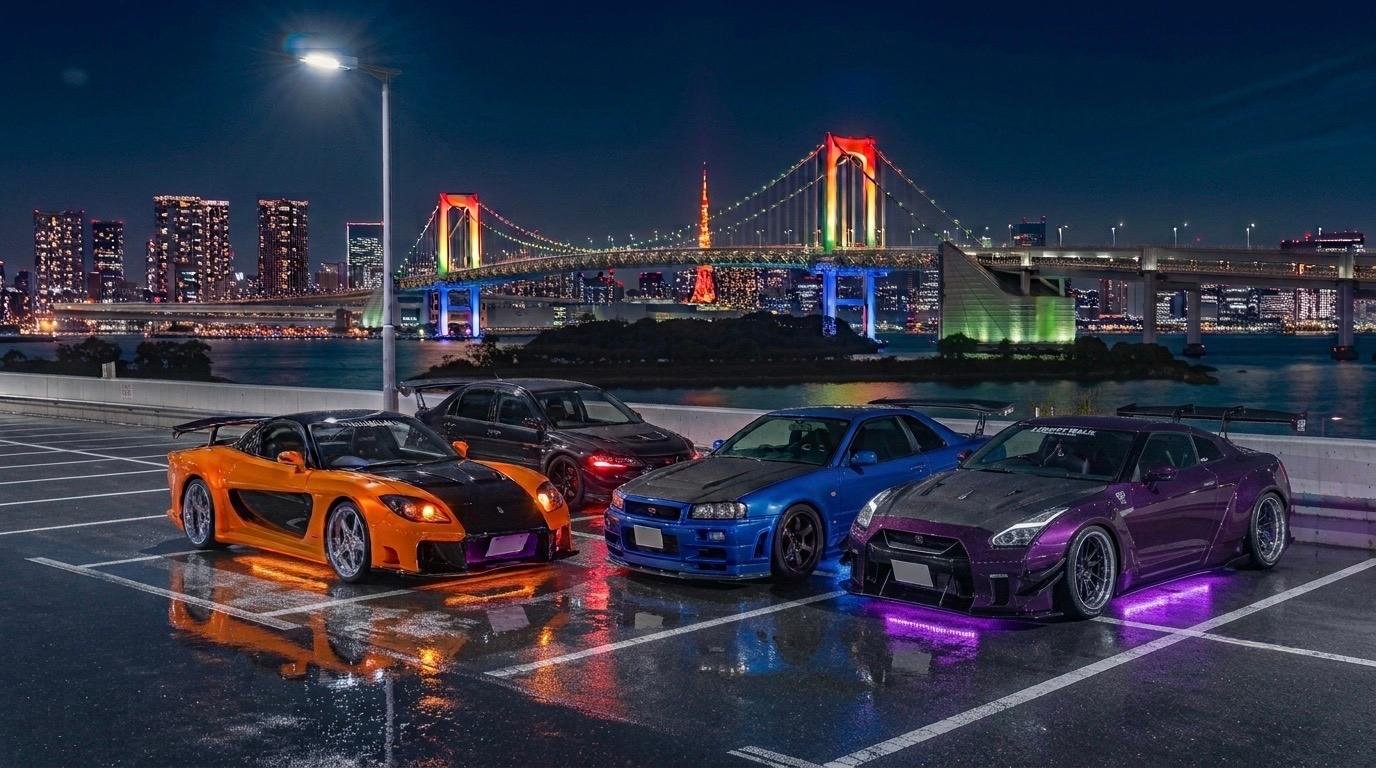
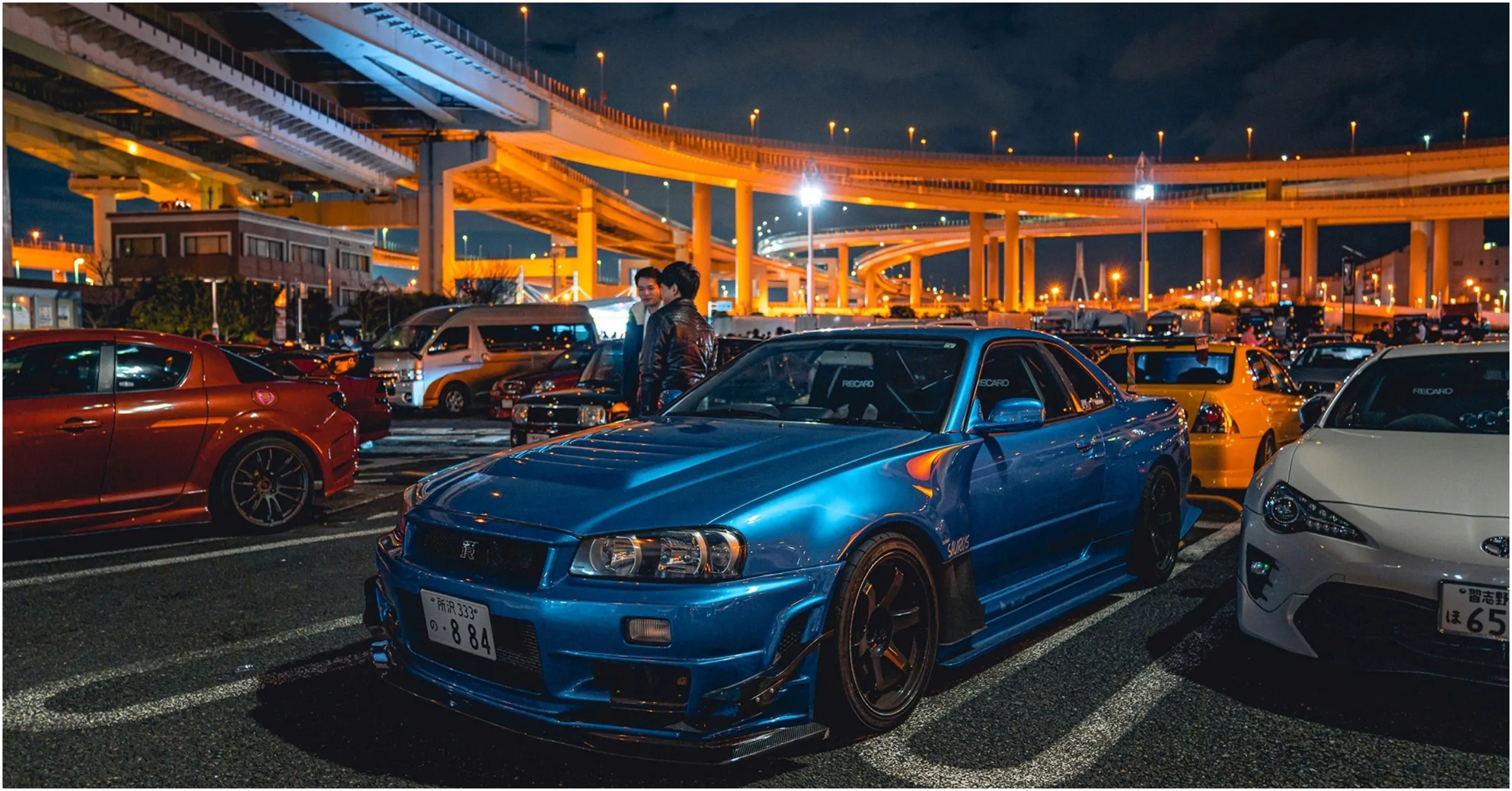
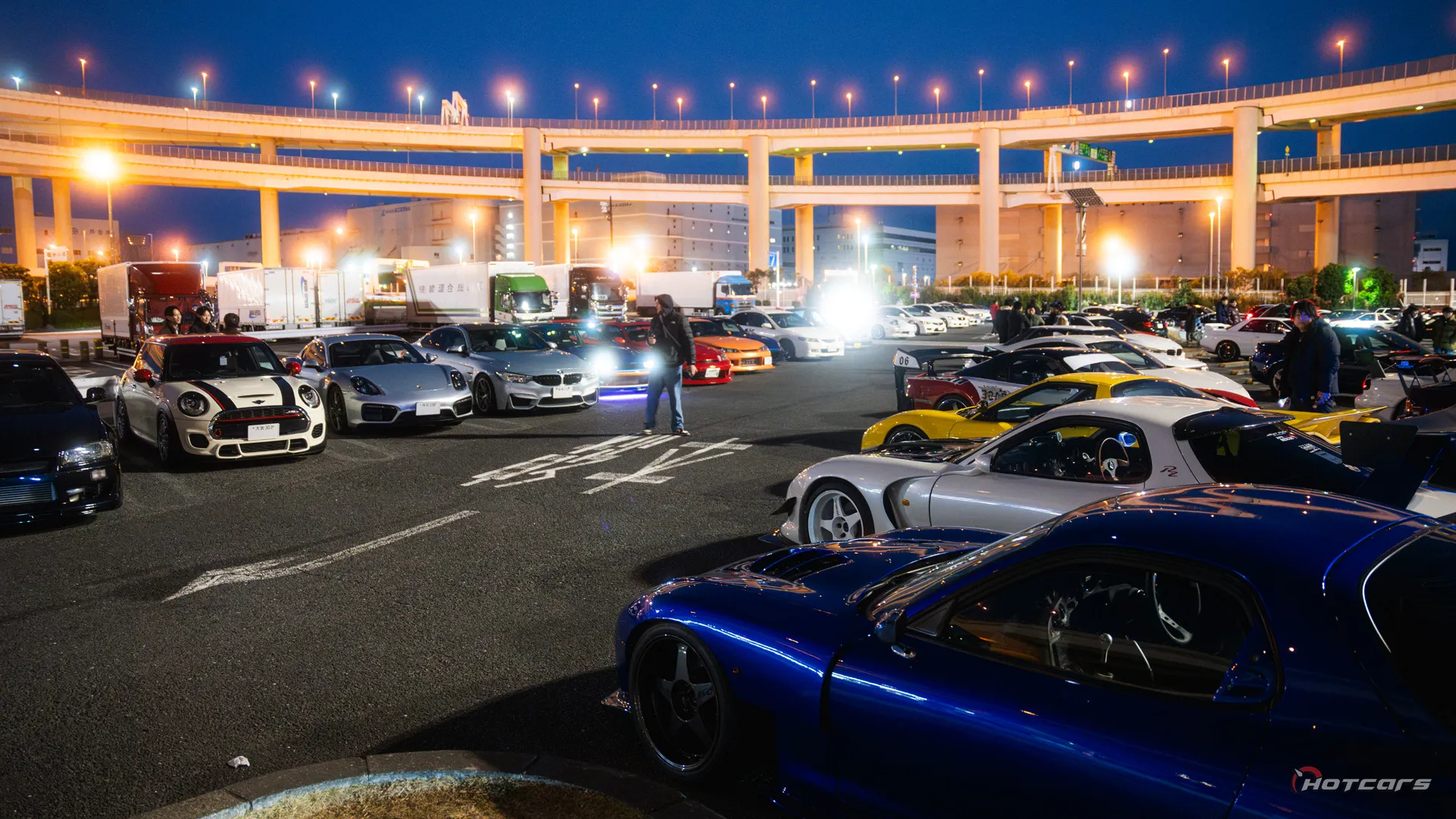
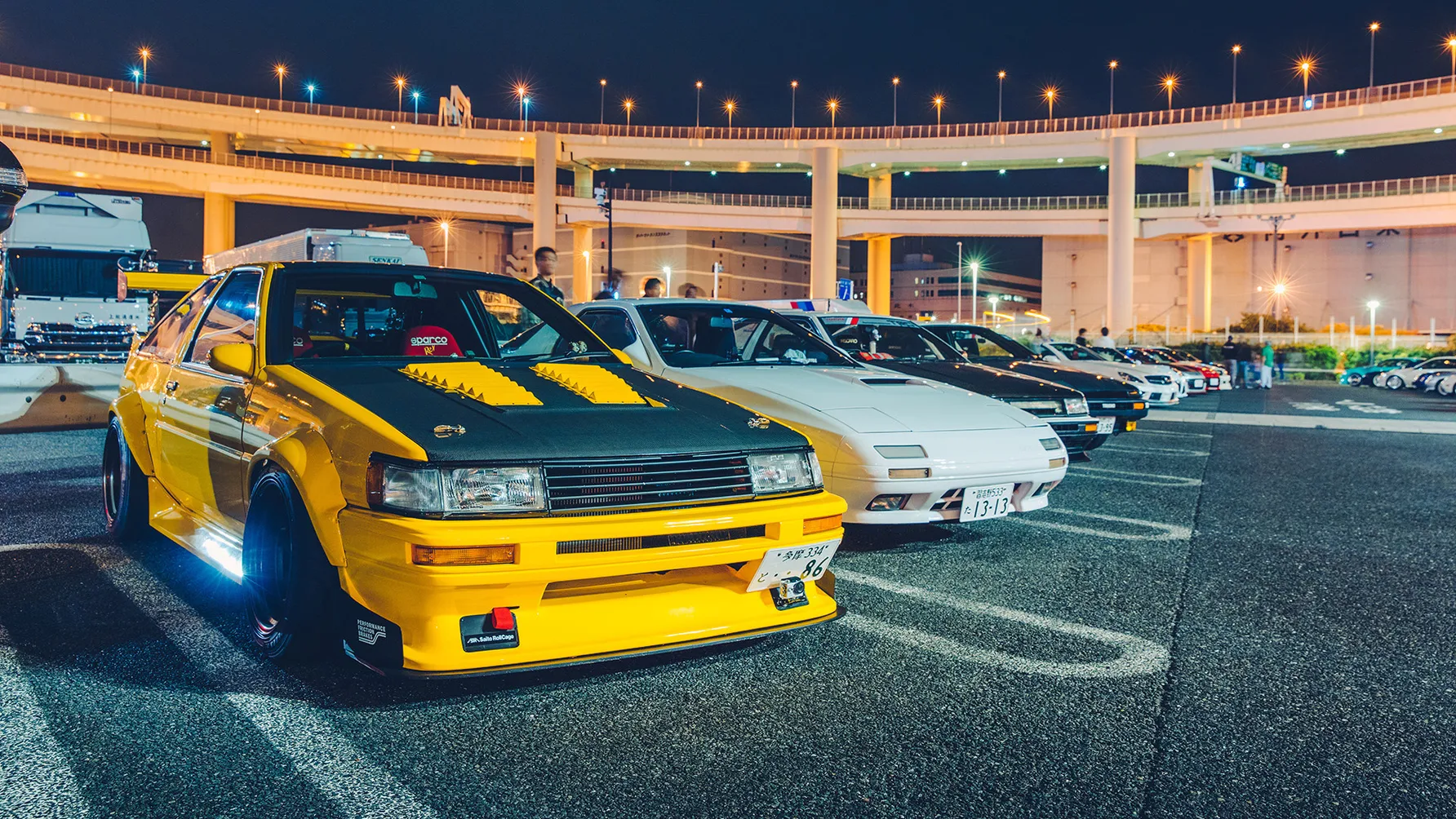
Your driver merges onto the Bayshore Route, the Wangan Line's elevated asphalt unspooling between port cranes and bay water, engine note climbing as the speedometer sweeps past 100. Within fifteen minutes you swing into Daikoku Futo, where dozens of cars idle in loose rows under yellow lamps: wide-fendered S-chassis Nissans, slammed Civics on Work Meister wheels, pristine Supras with aftermarket single turbos.
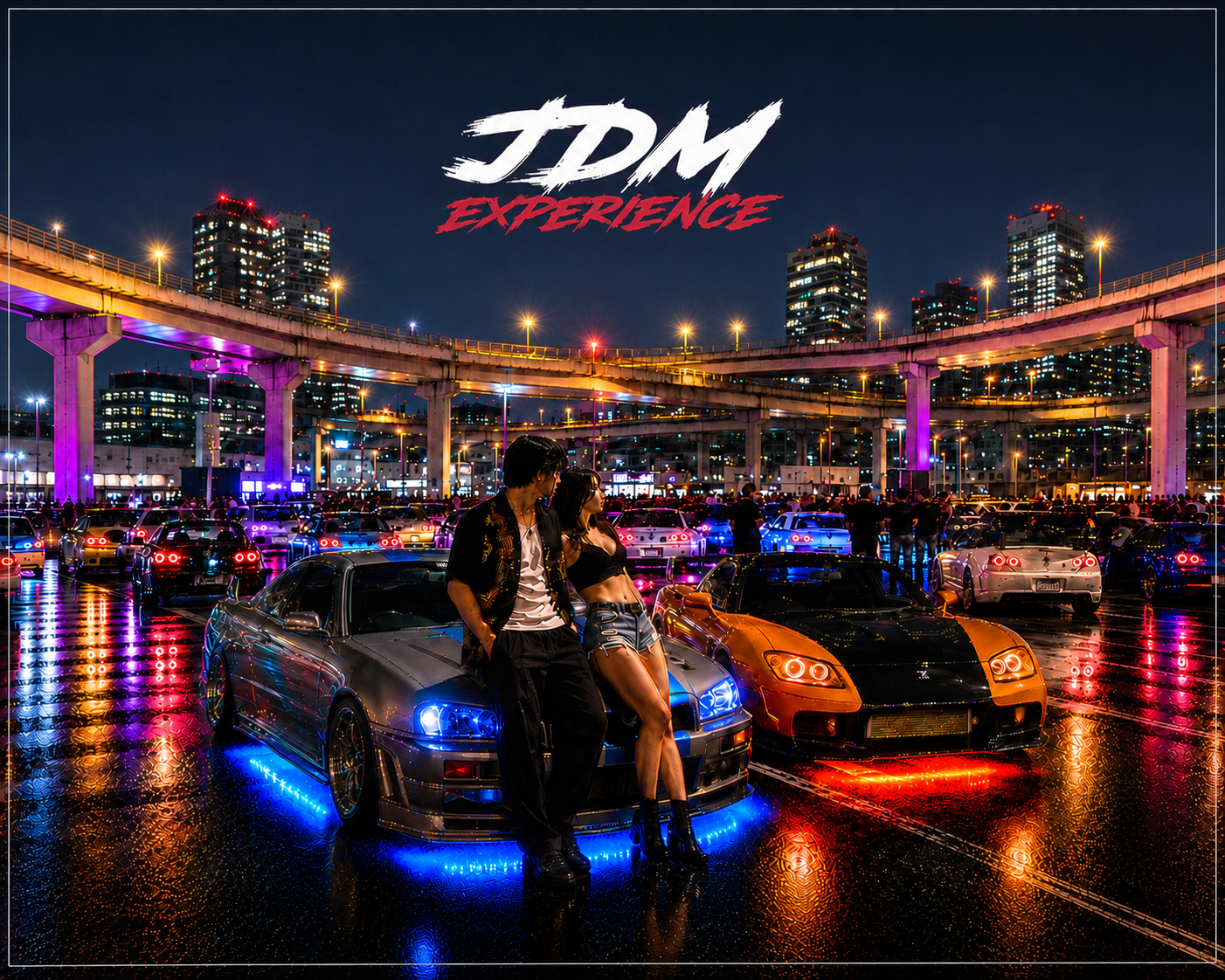
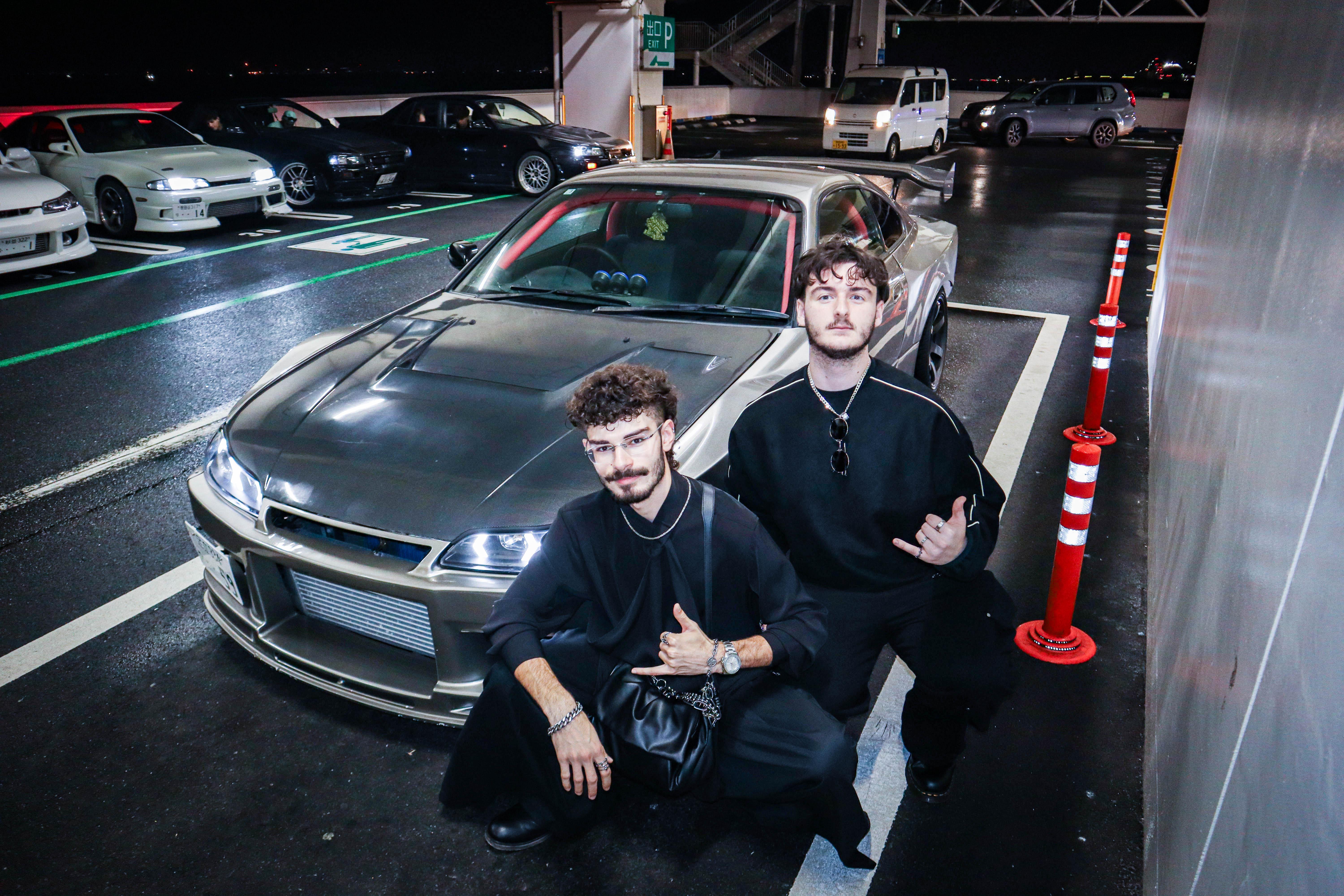
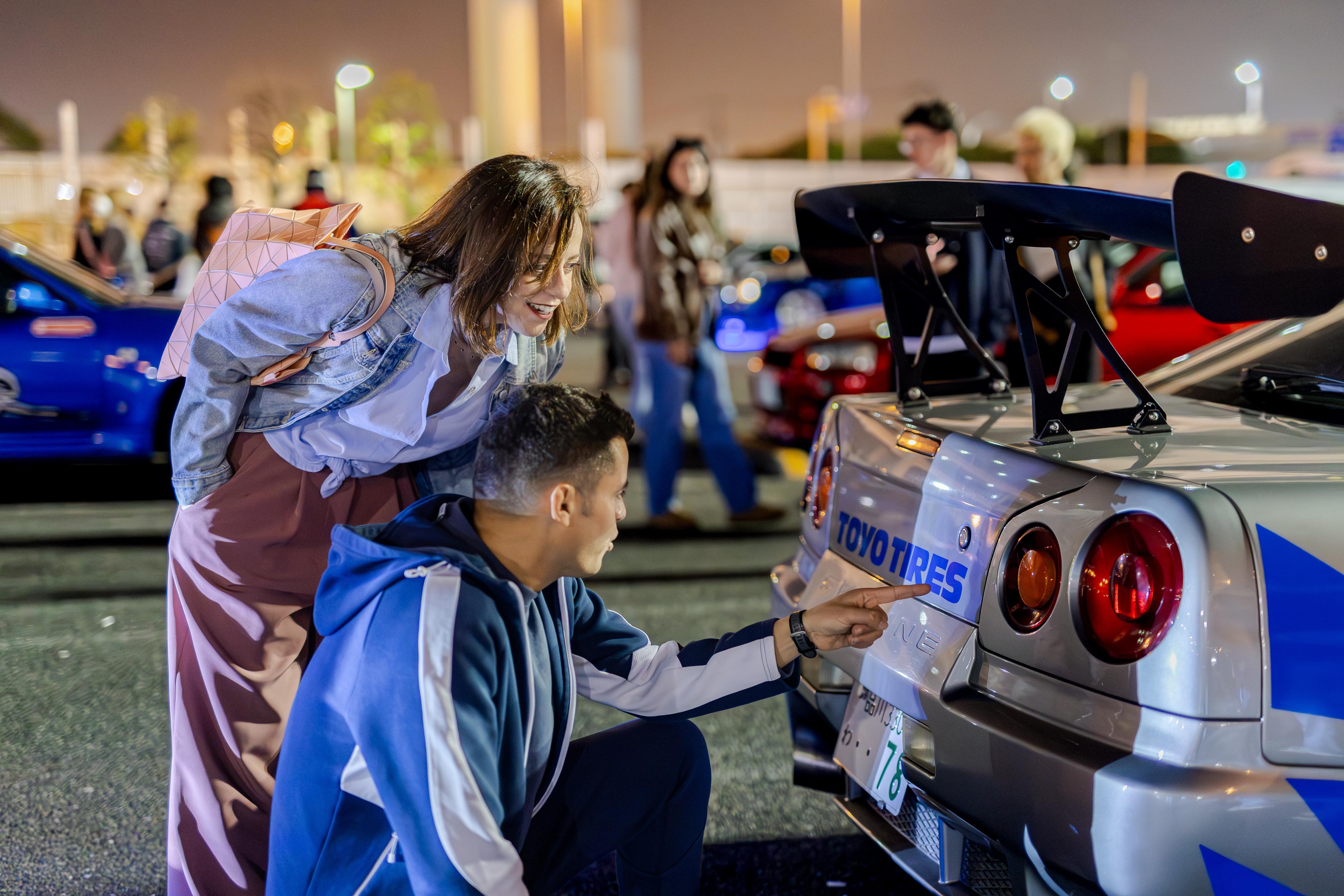
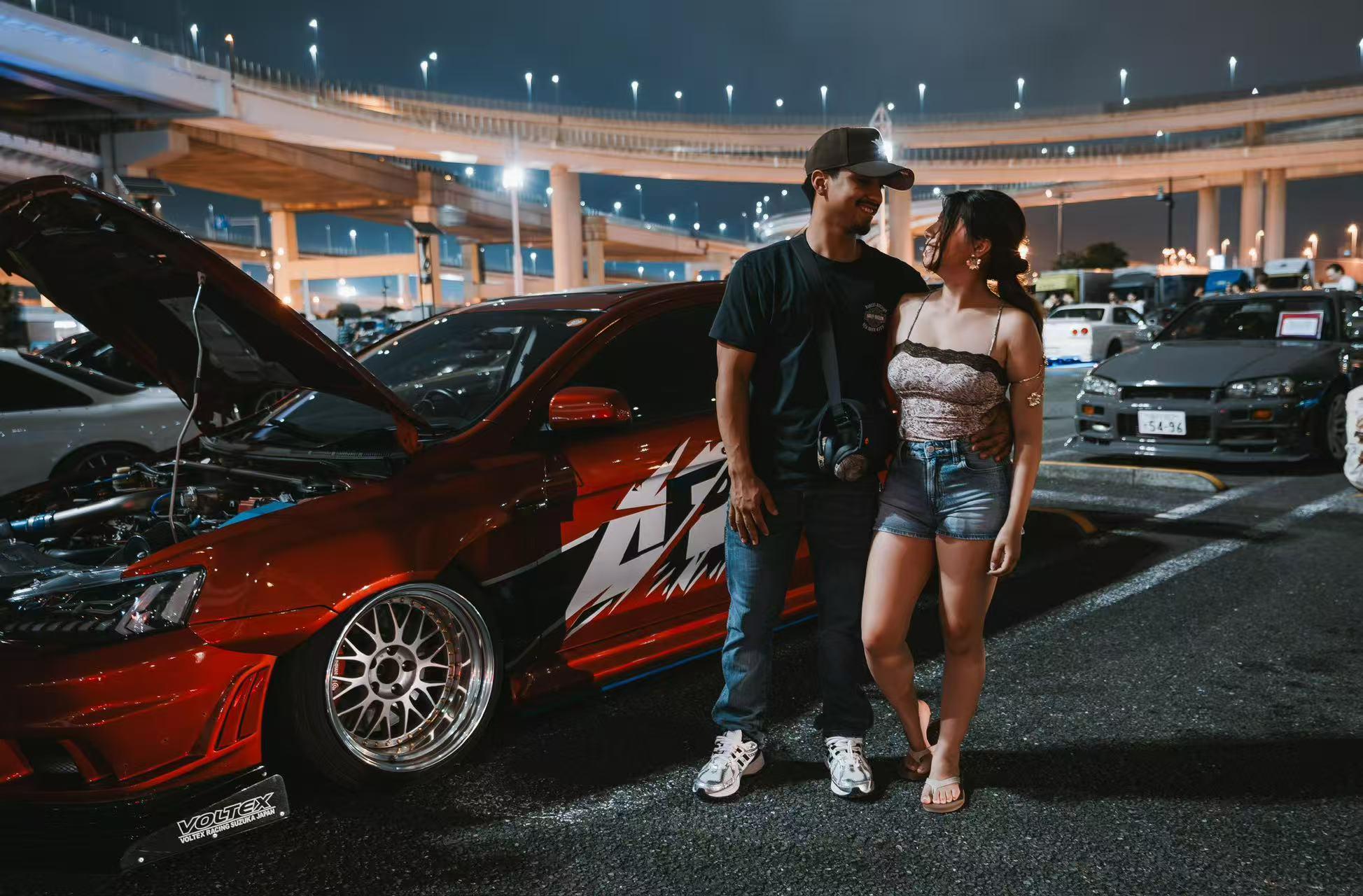
You step out and walk the lot slowly, pausing at hoods propped open to reveal chrome intercooler piping and polished intake manifolds. Owners nod but rarely pitch; the cars speak. A group gathers around a midnight purple R34, debating camshaft profiles. Your driver introduces you to a Supra owner whose build thread has 80,000 forum replies. Twenty minutes later, police lights flicker at the entrance—the signal to disperse—and you're back on the Wangan, chasing taillights toward the city, the Tokyo JDM passenger tour tour closing with one last pull through fourth gear as the skyline resolves into neon grids.
All the details about your upcoming adventure in one place
Daikoku Futo Parking Area opened in 1989 as a mundane expressway rest stop on the Bayshore Route, a stretch of elevated asphalt linking Yokohama to central Tokyo.
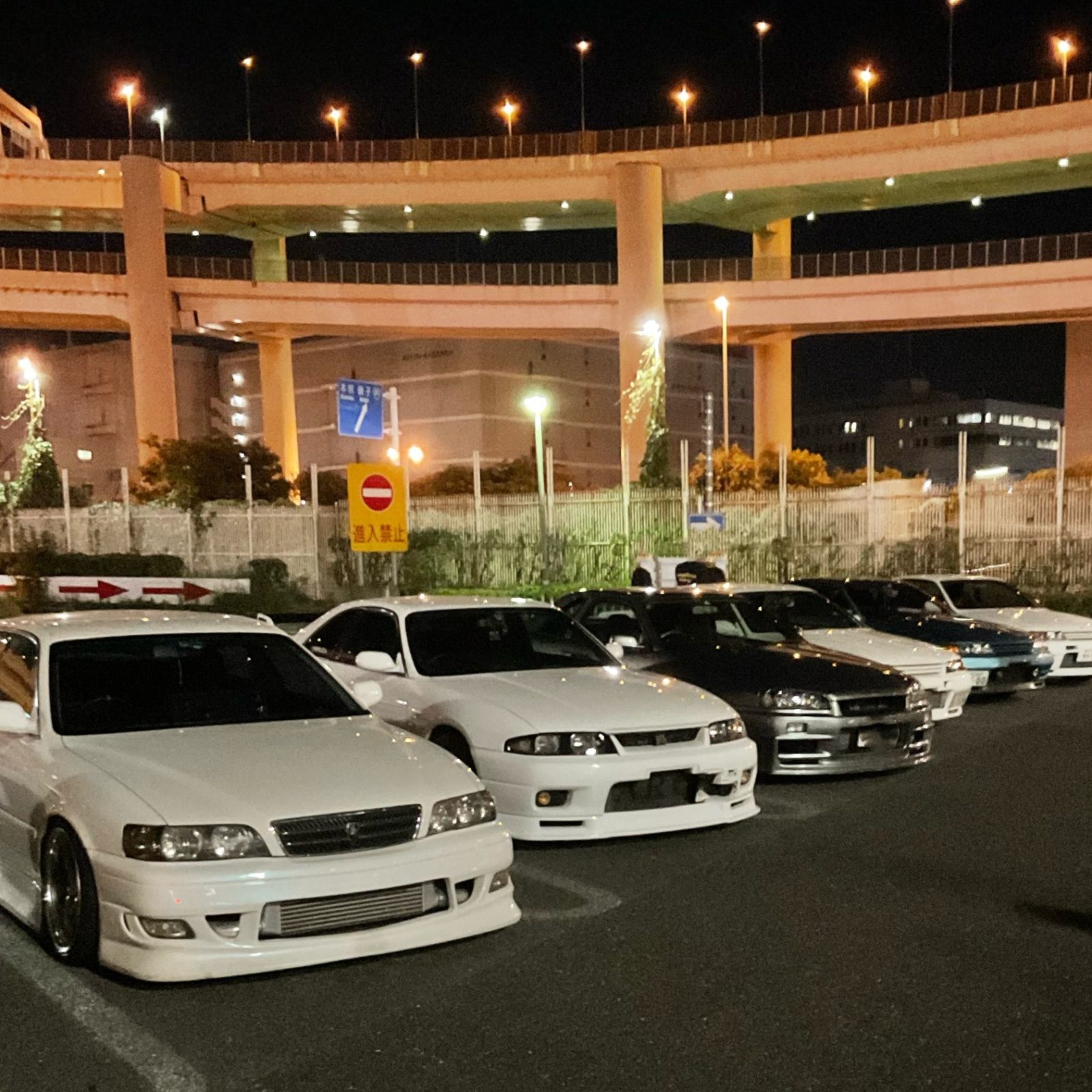
By the mid-1990s, it had become the clandestine nerve center of Japan's domestic market tuning underground—a place where street racers idled R32 Skylines and AE86 Corollas under sodium lamps, swapping parts and stories before dawn runs along Wangan-sen. No official decree sanctioned the gatherings; they emerged organically, fed by the same car-obsessed culture that built Nissan's GT-R, Mitsubishi's Evolution, and Subaru's WRX into icons of grip and boost.
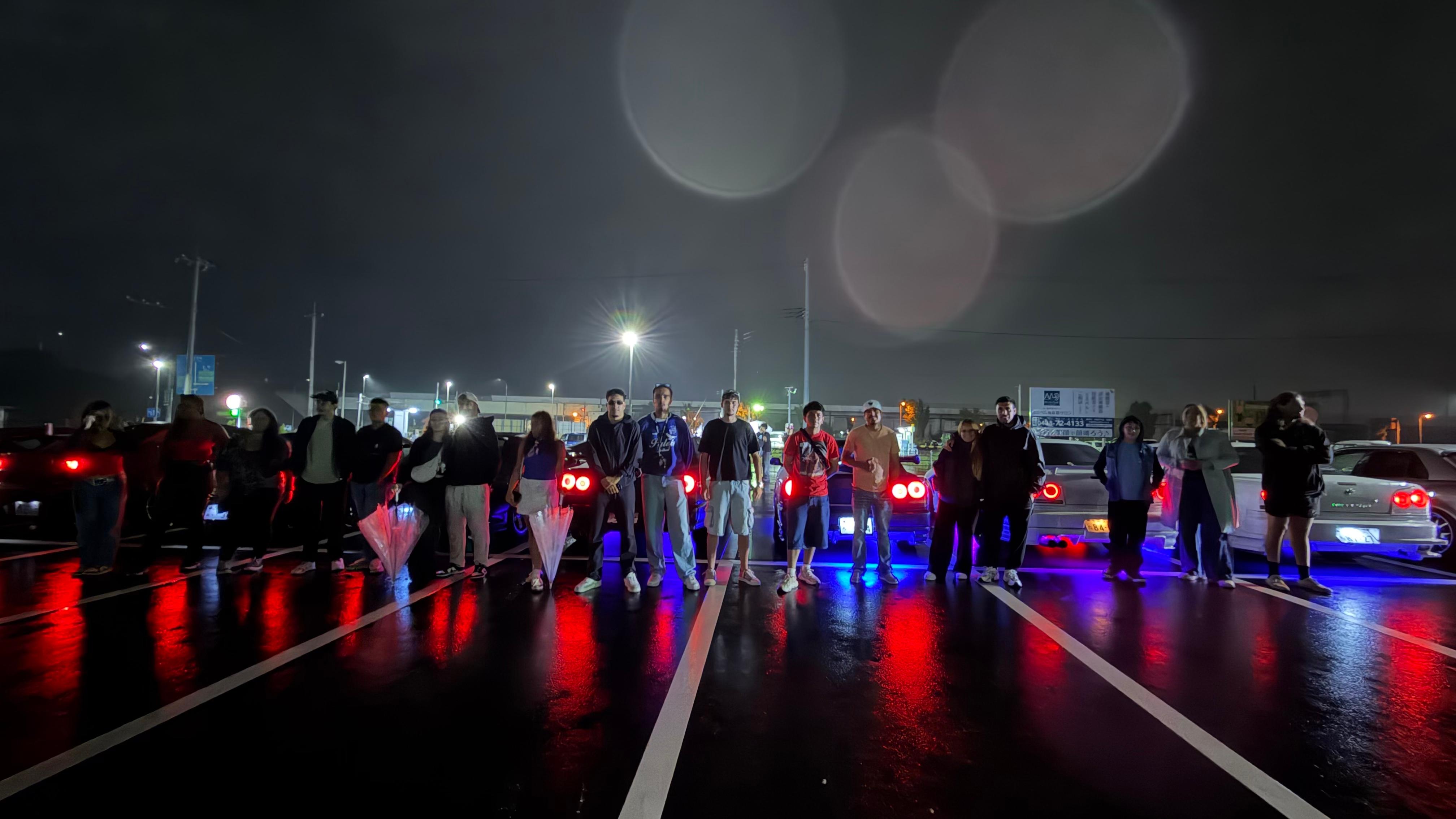
Today Daikoku remains the most recognized nocturnal staging ground for JDM enthusiasts worldwide, a status cemented by its cameo in *The Fast and the Furious: Tokyo Drift* and countless YouTube channels documenting 2JZ swaps, widebody Silvias, and carbon-hooded Civics. The lot itself is unremarkable—a gray trapezoid bordered by guardrails and vending machines—but between 20:00 and midnight on weekends, it transforms into an open-air gallery of Japanese tuning philosophy: function wrapped in aggressive aero, understated exteriors hiding built motors, and an unspoken code that prizes engineering over showboating. Kanagawa Prefectural Police periodically shut the meet down when crowds spill onto the expressway or noise complaints multiply, yet the scene regenerates within days.
The Bayshore Route itself—officially the Shuto Expressway Wangan Line—runs 70 kilometers along Tokyo Bay, its six lanes threading between container terminals and reclaimed industrial land. Opened in stages from 1962 to 1989, the Wangan became synonymous with high-speed midnight runs during Japan's bubble economy, when top-speed records were pursued with religious fervor and tuning shops like Mine's and HKS built reputations on dyno sheets and time-attack victories. The route's long straights and sweeping curves favor turbocharged all-wheel-drive sedans, and its proximity to Daikoku made the parking area a natural pre-run staging point. Modern Tokyo JDM passenger tour experiences leverage this legacy, offering rides in period-correct machinery—Skyline GT-Rs, Lancer Evolutions, WRX STIs—piloted by drivers fluent in the Wangan's rhythm and the etiquette of its car meets.

No official decree sanctioned the gatherings; they emerged organically, fed by the same car-obsessed culture that built the GT-R into legend.
There is no official dress code for the Daikoku Parking Area. Casual attire is recommended as you will be outdoors for your tokyo jdm passenger tour.
No security checkpoints exist for the public area. If you are on a tokyo jdm passenger tour, please keep your belongings secured within your transport vehicle.
Personal photography is permitted. When capturing your tokyo jdm passenger tour, respect the privacy of car owners and avoid blocking traffic lanes.
Families are welcome, but be aware of heavy traffic and fast-moving vehicles. Small children should remain close during your tokyo jdm passenger tour.
The area is flat and paved, making it accessible for most visitors. Note that the tokyo jdm passenger tour involves walking through a busy parking environment.
Basic vending machines and a small shop are available on-site. Consumption of food should remain within designated areas during your tokyo jdm passenger tour.
Opening Hours
00:00–23:59
Address
15-157 Daikokufuto, Tsurumi-ku, Yokohama, Kanagawa, Japan
Public Access
Open to all vehicles and pedestrians
Peak Window
20:00–22:00
Storage
None available at Daikoku Parking Area
Navigation
Accessible via Shuto Expressway Bayshore Route
Car · 30-60 min · Tolls apply
The only reliable way to reach this landmark is by car or private driver. Use the Shuto Expressway Bayshore Route to reach the Daikoku Futo exit.
Since entrance is 0 JPY, no tickets are required for entry to this public rest area. Please check specific booking terms if you have reserved a private tokyo jdm passenger tour.
Recommended time
2-3 hours
A typical tokyo jdm passenger tour requires approximately two to three hours to observe the automotive culture and engine displays effectively. Visitors participating in Yokohama car culture tours should prioritize the evening peak, as crowds fluctuate based on local traffic and enforcement activity. Those seeking tokyo jdm passenger tour tours might need extra time if vehicle density increases or if specific modified Japanese sports cars arrive later in the night.
Crowd levels through the day
Weather · crowds · average price — dots go green to amber to red as each metric rises.
Cooler temperatures are ideal for outdoor walking. Evenings in September through November provide stable weather for a tokyo jdm passenger tour.
Daikoku Parking Area is subject to sudden closures if gatherings become rowdy. Visit early to complete your tokyo jdm passenger tour before potential shutdowns.
Many visitors bring highly modified vehicles. Do not touch or lean on private property during your tokyo jdm passenger tour.
Plan your arrival for 20:00–22:00 for the highest concentration of vehicles. Arriving later risks finding the lot closed to new entrants.
The lot is an active transit hub. Remain on walkways to stay safe during your tokyo jdm passenger tour.
Daikoku Parking Area is open-air and exposed to bay winds. Dress in layers for a comfortable tokyo jdm passenger tour experience.
Daikoku Parking Area opened in March 1989 as a standard rest facility on the Bayshore Route of the Shuto Expressway, built to serve commercial traffic moving between Yokohama Port and central Tokyo. The location occupied reclaimed industrial land in Tsurumi Ward, part of a broader wave of waterfront development that transformed Yokohama's eastern shoreline through the 1980s. Within two years of opening, the parking area began attracting late-night gatherings of modified cars—Skylines, Supras, and RX-7s—whose owners used the open layout and highway access for impromptu meetups. By 1994, Daikoku had become the de facto staging ground for the Wangan Midnight street racing culture, a scene immortalized in manga and later in video games that positioned the location as the spiritual home of Japanese performance tuning. Police crackdowns intensified after a fatal accident on the Bayshore Route in 1999, leading to periodic closures and increased patrols that pushed some gatherings to alternative sites. Despite enforcement pressure, Daikoku retained its status through the 2000s as international interest in JDM culture grew, amplified by the Fast and Furious franchise and the global spread of drift competitions. The parking area's layout—long sight lines, minimal barriers, and proximity to the expressway—made it ideal for tokyo jdm passenger tour operators who began offering guided visits around 2012, capitalizing on the location's cinematic reputation. Social media documentation accelerated its transformation from local meetup point to pilgrimage site, with weekend crowds swelling to include tour groups, photographers, and collectors displaying rare chassis. Metropolitan authorities have tolerated the gatherings as long as they remain stationary, but retain the authority to close the area without notice when noise complaints or traffic incidents occur. Today, Daikoku functions as both working rest stop and living museum, where the lineage of Japanese automotive modification—from bubble-era bosozoku to modern time attack builds—remains visible each weekend, making tokyo jdm passenger tour tickets a consistent draw for enthusiasts seeking direct contact with the culture's evolving hardware.
Daikoku Parking Area opens on the Shuto Expressway Bayshore Route as a commercial rest facility.
Modified car owners begin using the site for informal late-night gatherings and vehicle displays.
Daikoku becomes the recognized hub of Wangan Midnight street racing culture, attracting national attention.
Fatal Bayshore Route accident triggers intensified police enforcement and periodic parking area closures.
International JDM interest grows; Daikoku's reputation spreads through media, film, and online communities.
Guided tokyo jdm passenger tour tours launch, formalizing access for overseas visitors and collectors.
Social media amplifies weekend gatherings; Daikoku balances working rest stop function with cultural landmark status.
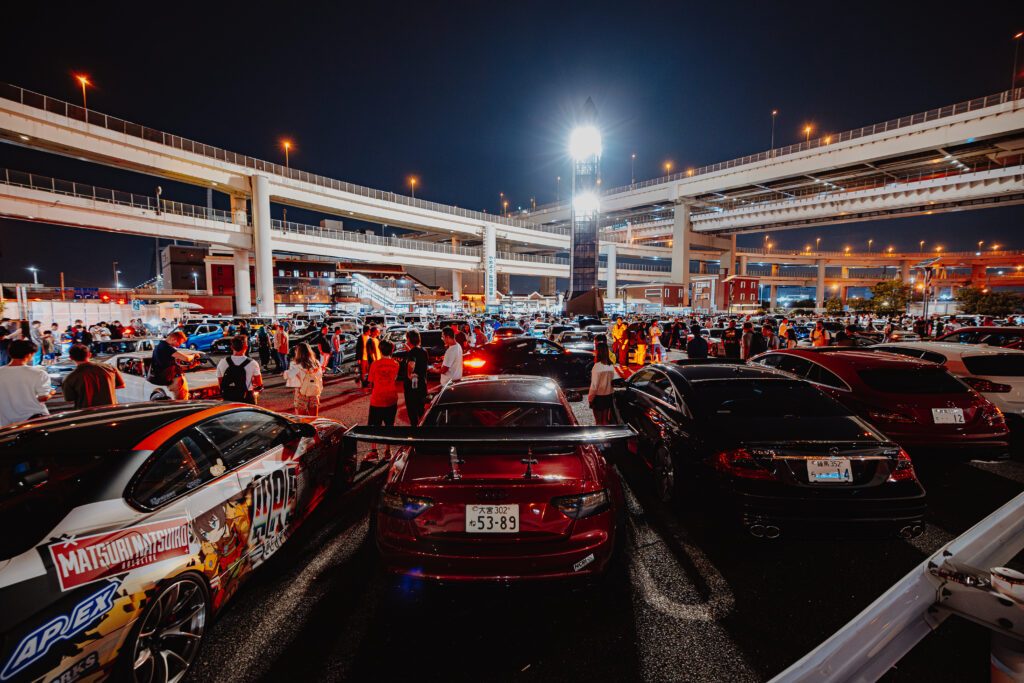
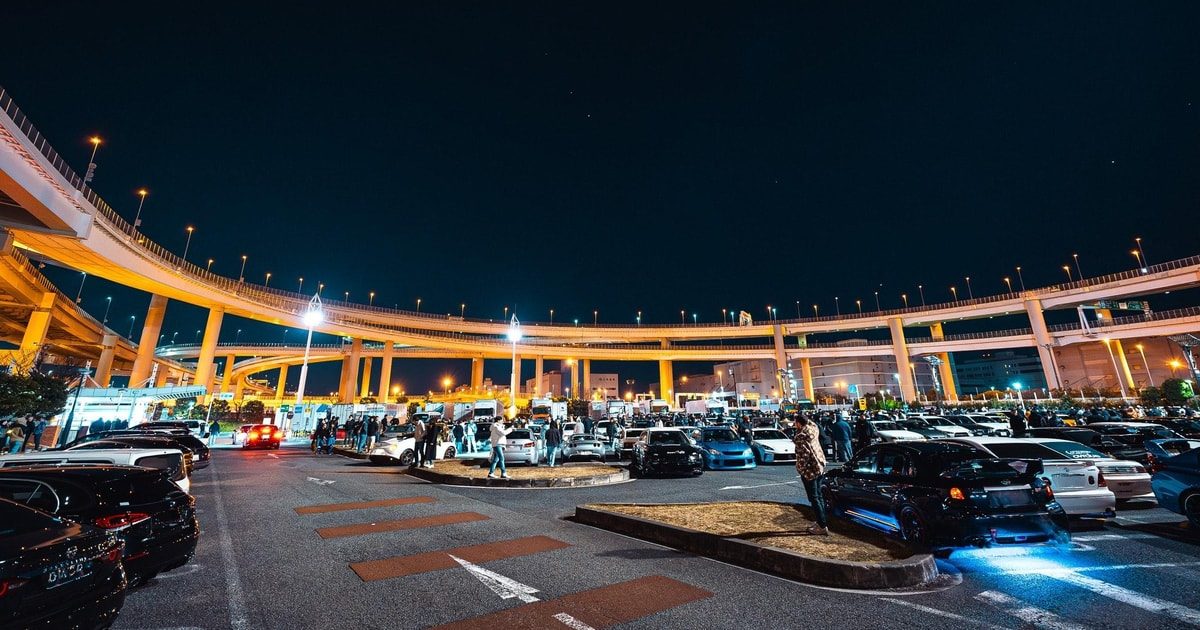
Position yourself between the parking bays to capture the wide variety of modified vehicles and neon underglow at ground level. This area serves as the central hub for any tokyo jdm passenger tour where enthusiasts showcase their custom builds.
Walk up the stairs to the elevated pedestrian path for a high-angle perspective looking down over the entire lot. This vantage point is ideal for documenting the dense concentration of automobiles during a Tokyo JDM passenger tour tours.
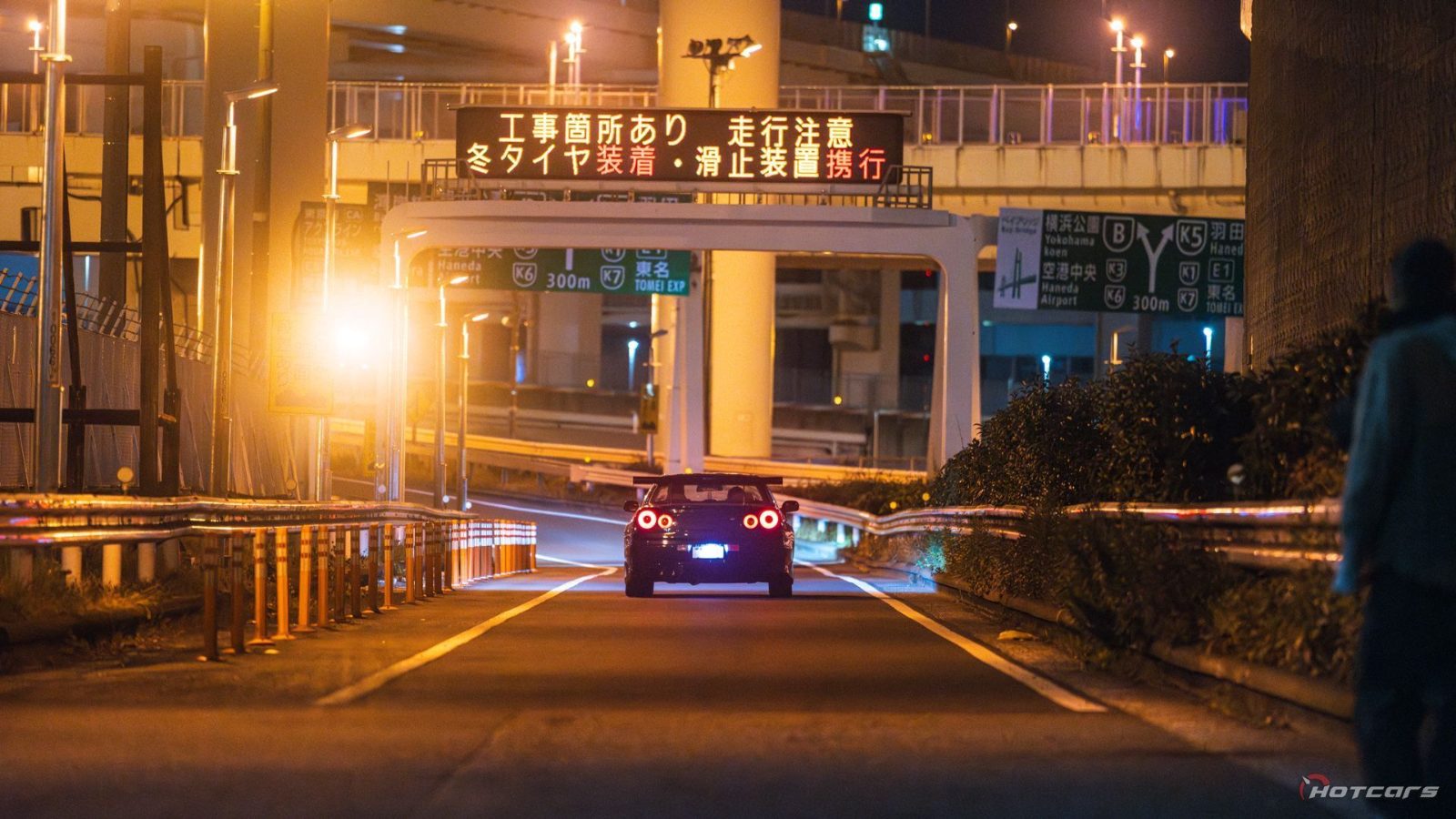
Stand near the perimeter of the entrance loop to photograph vehicles arriving under the iconic highway signage. This location captures the motion of incoming sports cars as they transition into the parking space for a tokyo jdm passenger tour tour.
Focus your lens on the pavement near the center of the gathering to pick up reflections of tail lights and modification details. Many guests booking tokyo jdm passenger tour tickets prioritize these low-angle shots to highlight wheel fitment and exhaust setups.
Planning a tokyo jdm passenger tour with children requires careful logistical preparation due to the location's nature as an active rest area. Since this site is a hub for modified sports cars, visitors should expect significant noise and limited amenities for younger travelers.
The parking area is paved and level, making it stroller-friendly, though navigating around crowds near specific vehicles can be challenging. We recommend using a lightweight, foldable stroller to manage space efficiently.
This experience is better suited for older children and teens who have a specific interest in automotive culture and Yokohama city landmarks. Younger children may find the late hours and loud exhaust notes overwhelming during these tokyo jdm passenger tour tours.
There are public restrooms available on-site, but they are basic and do not offer specialized baby-change tables or private nursing rooms. Plan for your needs before you arrive to ensure a smooth tokyo jdm passenger tour tour.
Arrivals are best managed between 20:00–22:00 to see the vehicles while balancing family sleep schedules. Because the venue is open 24 hours (monday: 00:00–23:59, tuesday: 00:00–23:59, wednesday: 00:00–23:59, thursday: 00:00–23:59, friday: 00:00–23:59, saturday: 00:00–23:59, sunday: 00:00–23:59), you can choose to depart early if the environment becomes too stimulating.
The parking area is largely outdoors with no covered spectator zones, so inclement weather will significantly impact visibility and comfort. Check the weather forecast in advance, as there are no indoor alternatives for those holding tokyo jdm passenger tour tickets.
Dining options are limited within the expressway facility, so visitors on a tokyo jdm passenger tour often prefer eating before arrival. While simple refreshments are available on-site, nearby Yokohama city landmarks offer more substantial meals before or after your visit.
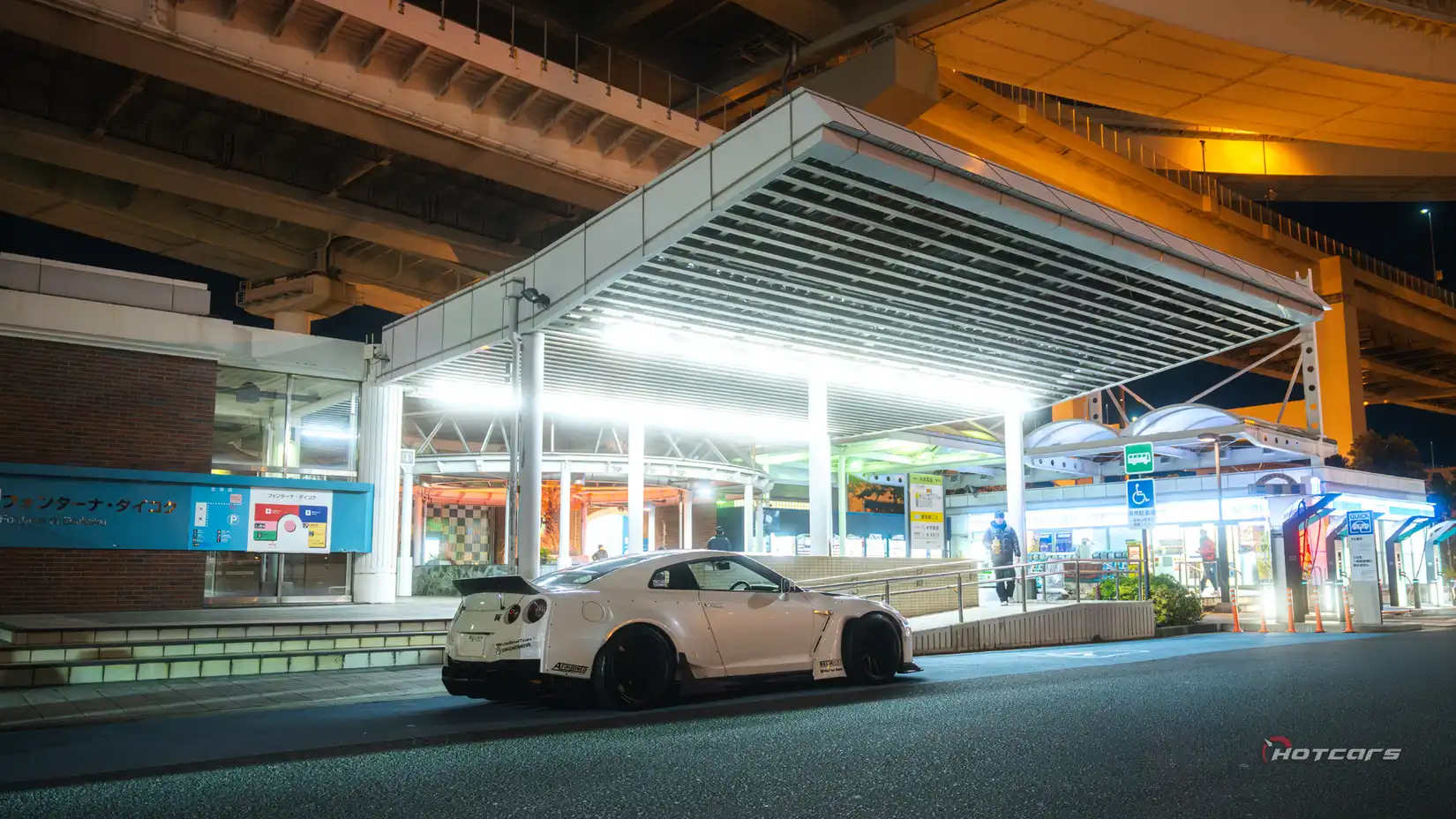
A functional stop offering standard Japanese convenience store fare like onigiri, instant noodles, and hot coffee. It serves as a quick refuel point for those finishing their tokyo jdm passenger tour tours before departing the parking area.;Daikoku PA Vending Machines
Everything you need to know for your journey
The Daikoku Parking Area is open 00:00–23:59 every day. You can arrive at any time for your tokyo jdm passenger tour.
There is 0 JPY entrance fee for this public rest area. You only pay for the private tokyo jdm passenger tour service you book separately.
The best arrival window for a tokyo jdm passenger tour is 20:00–22:00 to see the most vehicles. Arriving after this time increases the risk of police closures.
Official tokyo jdm passenger tour tickets are not required for the location itself. Tickets usually only apply to your specific private transport booking.
Yes, the Daikoku Parking Area is a flat, public facility suitable for a tokyo jdm passenger tour. Ensure you follow all safety guidelines while walking.
The address is 15-157 Daikokufuto, Tsurumi-ku, Yokohama, Kanagawa, Japan. Use this for your tokyo jdm passenger tour navigation.
Prohibited items include drones and amplifiers. Please keep all gear minimal during your tokyo jdm passenger tour.
Yes, personal photography is allowed. Be mindful of others while capturing your tokyo jdm passenger tour memories.
Yes, children are allowed. Keep them supervised at all times during your tokyo jdm passenger tour because of the active vehicle traffic.
The Daikoku Parking Area is only accessible via car. Ensure your tokyo jdm passenger tour provider has confirmed vehicle access routes.
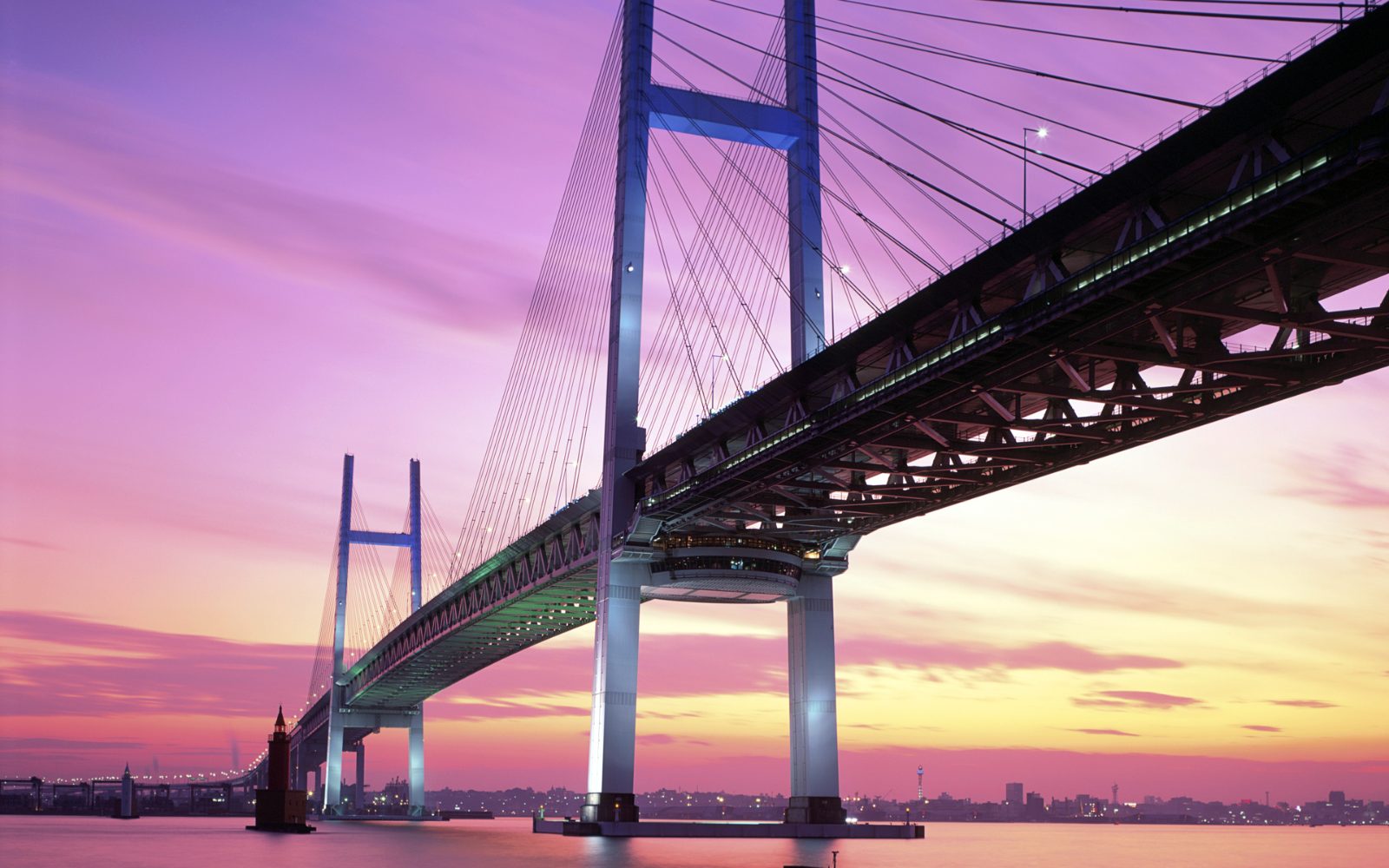
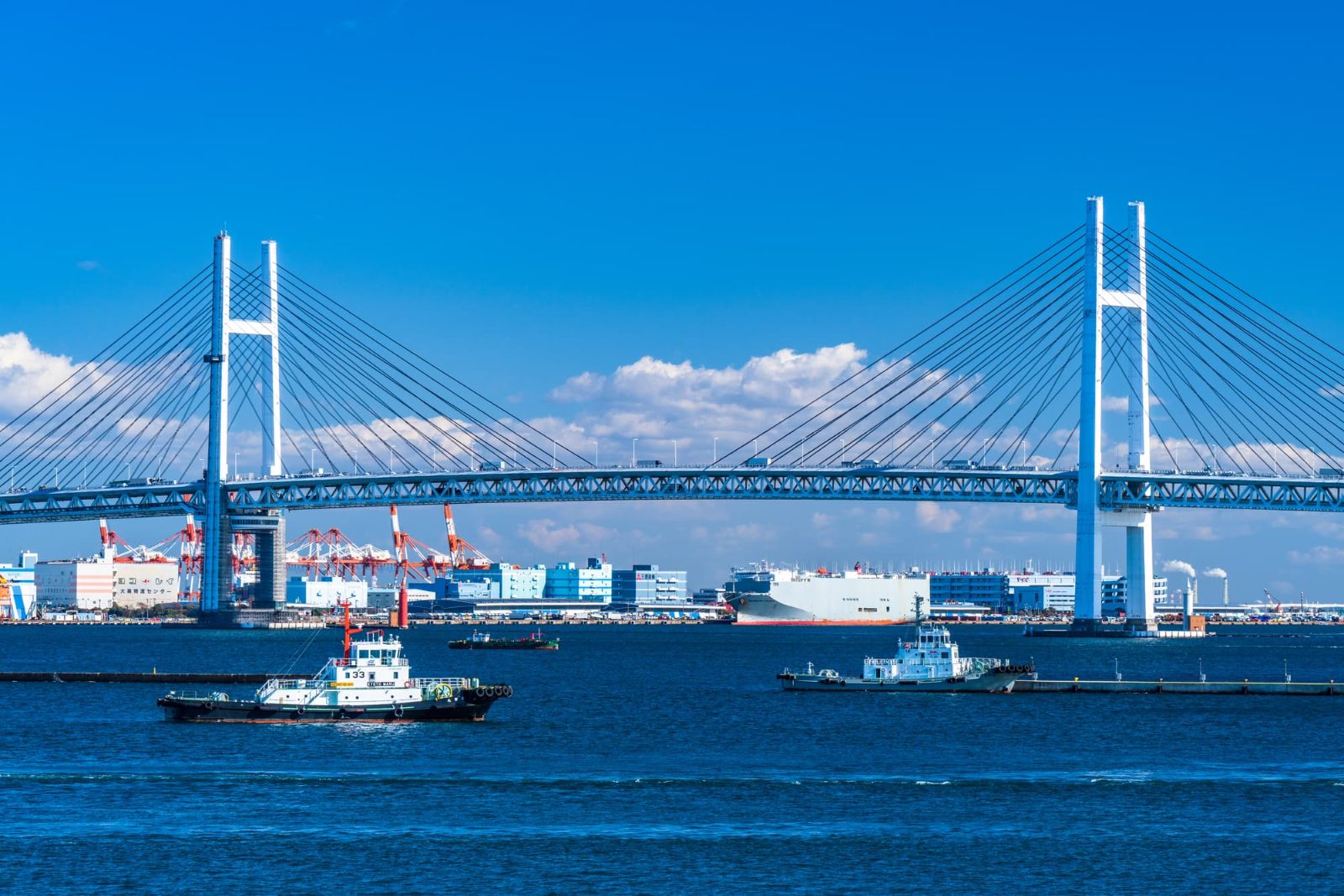
A massive cable-stayed bridge spanning Tokyo Bay.
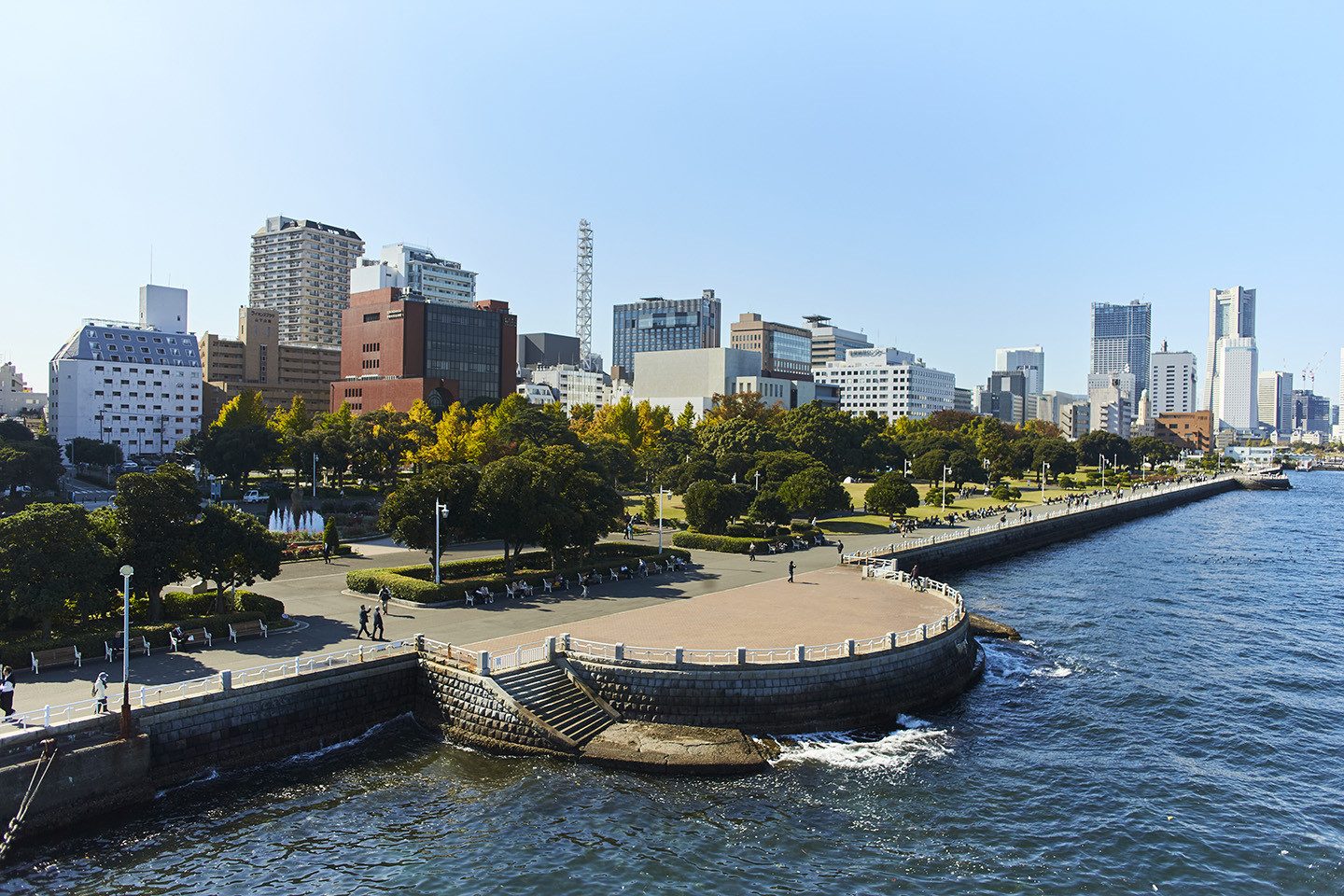
A scenic waterfront park overlooking the harbor.
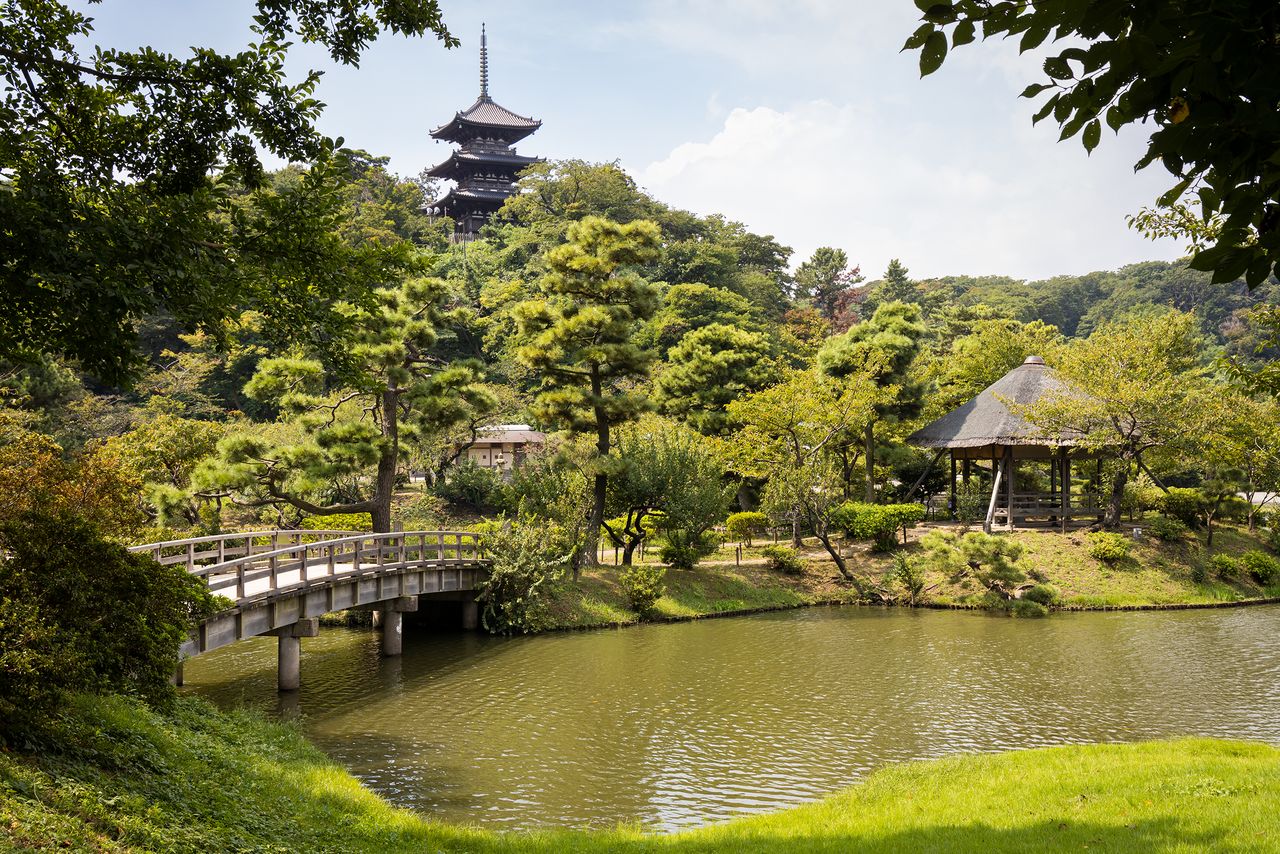
A large traditional Japanese garden with historic buildings.
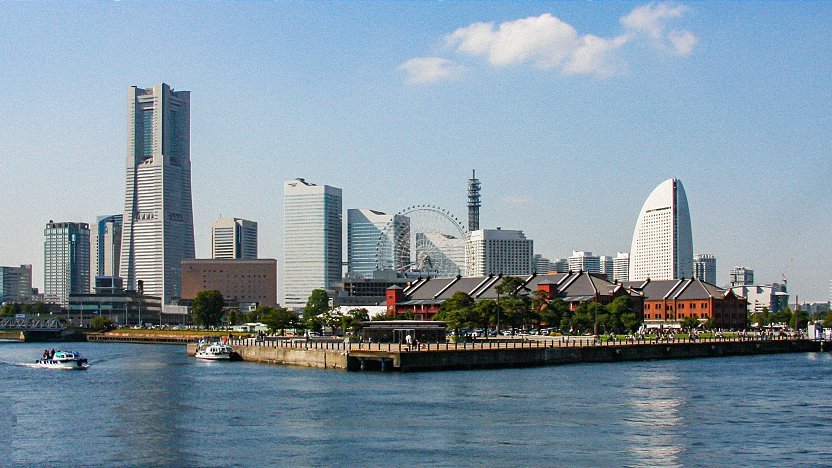
The central business and entertainment district of Yokohama.
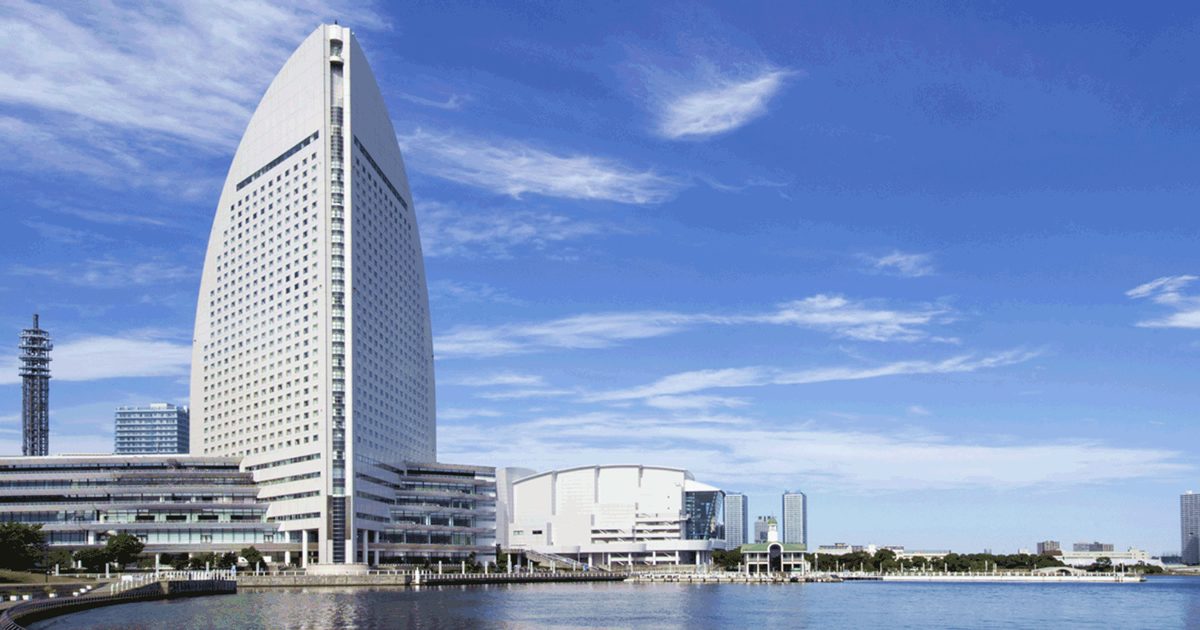
High-rise hotel with panoramic city views.
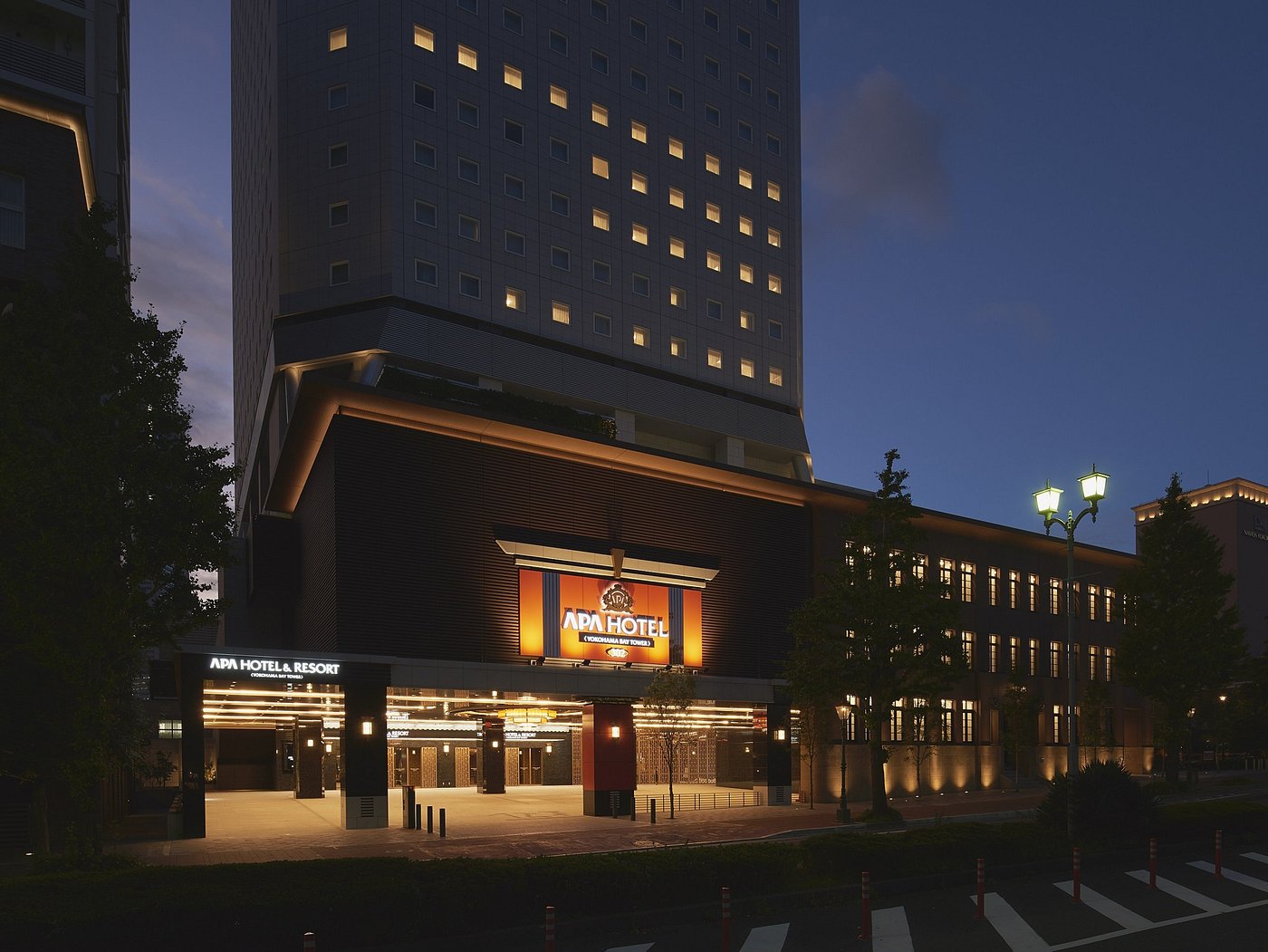
Reliable accommodation near the waterfront.
Numerous budget options located in Tsurumi-ku.
Join thousands of happy travelers who have discovered this incredible experience
Book Your Experience Now