3 hr
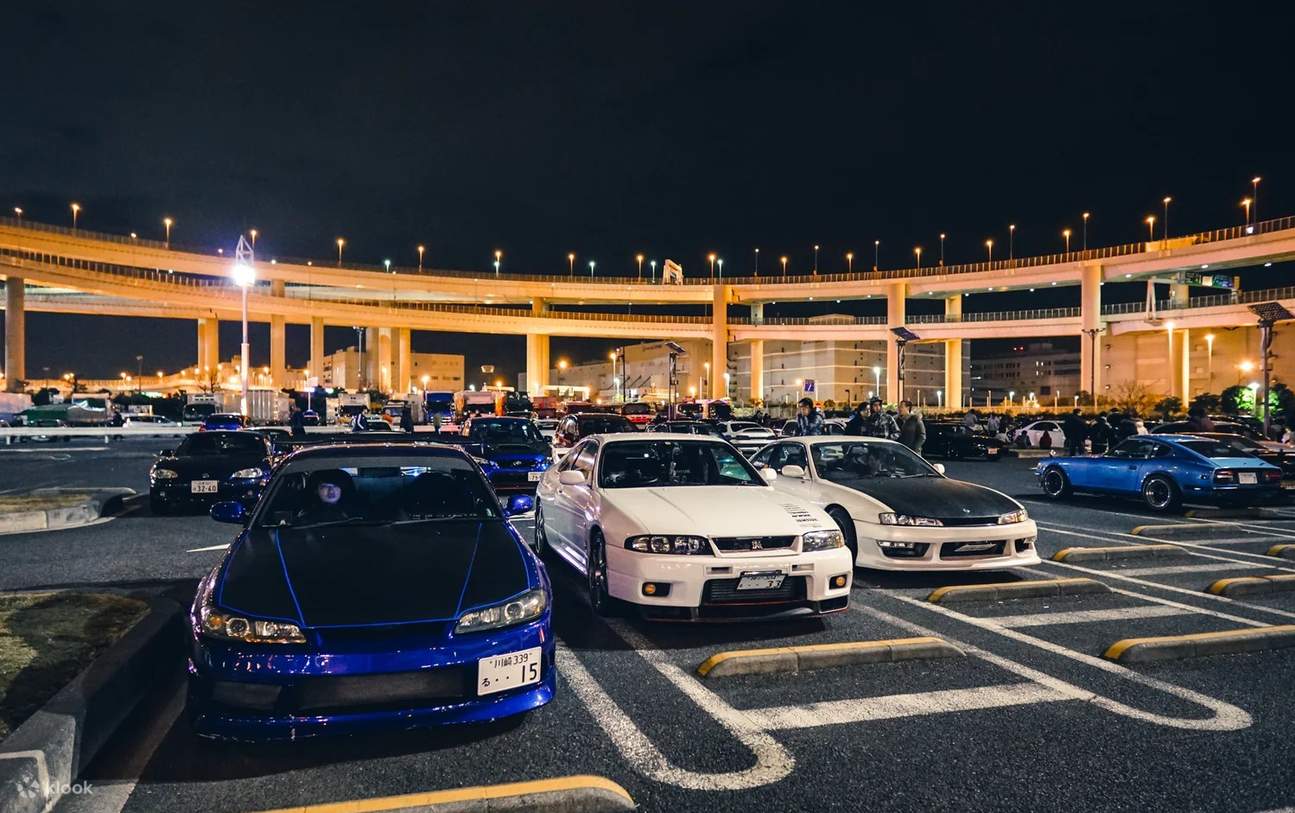
Fast & Furious Tokyo Drift Night Experience
- Entry ticket
- Mobile voucher
- Valid same day
- Free cancellation
JDM Tour Tokyo Self Drive — Daikoku PA & Drift Culture
Pilot iconic Japanese metal through midnight meets, real convoy flow.
Compare fares, pick the fit — all bookings are mobile-voucher and eligible for free cancellation where shown.
3 hr
4 hr
3 hr 30 min
| Experience | Duration | Rating | Transfers | Pickup | Small group | Free cancel. | Price | |
|---|---|---|---|---|---|---|---|---|
|
Standard Entry
Most popular
Fast & Furious Tokyo Drift Night Experience
|
3 hr | ★ 4.8 | ✓ | ✓ | ✓ | ✓ | $137 | Book → |
|
Standard Entry
Tokyo JDM Night Tour: Daikoku PA & Iconic Drift Spots
|
4 hr | ★ 4.8 | — | ✓ | — | ✓ | $92 | Book → |
|
Standard Entry
Daikoku: Tokyo JDM Car Culture Convoy Experience
|
3 hr 30 min | ★ 4.9 | — | ✓ | ✓ | ✓ | $126 | Book → |
Worth it for JDM enthusiasts, skip generic tours
A jdm tour tokyo self drive delivers value when you're behind the wheel of an actual performance car, not riding as a passenger. The bookable convoy and night drive experiences put you in authentic JDM machinery—Skylines, Supras, RX-7s—with routes threading Daikoku PA, Wangan expressway stretches, and drift spots from Tokyo Drift. Expect ¥15,000–¥35,000 per person depending on car selection and duration. Free entry to Daikoku PA itself means the premium goes entirely toward wheel time and curated routing. This pays off for drivers chasing the street racing aesthetic and hands-on car culture immersion. Guided passenger tours miss the point—you're paying for the driving experience, not narration. Casual sightseers should skip; the value exists only if JDM cars and night highways are the destination, not a backdrop.
Bottom line: If you want the steering wheel of a Skyline on the Wangan at night, the premium is justified—otherwise, Daikoku PA's free entry and public meet-ups offer the scene without the tour cost.
Daikoku Parking Area is the iconic hub for JDM culture, while Umihotaru offers a more stable, weather-proof alternative; most visitors who do both call the jdm tour tokyo self drive experience at Daikoku the more authentic automotive pilgrimage.
|
Top pick Daikoku PA |
Umihotaru PA | |
|---|---|---|
| Primary draw | Iconic JDM car meets | Floating bay views and architecture |
| Access mode | Expressway vehicle only | Expressway vehicle only |
| Entry fee | 0 JPY (expressway tolls apply) | 0 JPY (expressway tolls apply) |
| Opening hours | 00:00–23:59 | 00:00–23:59 |
| Police closure risk | High on peak nights | Very low (all-weather accessible) |
| Parking type | Open air | Covered garage |
| Best arrival window | 20:00–22:00 | 20:30–00:00 |
| See tickets & prices |
Verdict: Choose Daikoku for the legendary JDM atmosphere if timing allows, but utilize Umihotaru as a reliable backup or scenic addition to your jdm tour tokyo self drive tour.
Hand-picked experiences loved by thousands of travelers
3 hours
Free Cancellation
Ride shotgun in a real Skyline, Supra, or Silvia through Tokyo's famous expressways and Daikoku car meet
3 hours
Free Cancellation
Drive legendary Japanese sports cars through Tokyo's streets, meet car enthusiasts, and explore iconic locations
3 hours
Free Cancellation
Ride shotgun in a tuned Japanese sports car through Tokyo's legendary street racing landmarks
3 hours
Free Cancellation
Ride authentic JDM legends through Tokyo's expressways and visit Japan's most iconic street meet
4 hours
Free Cancellation
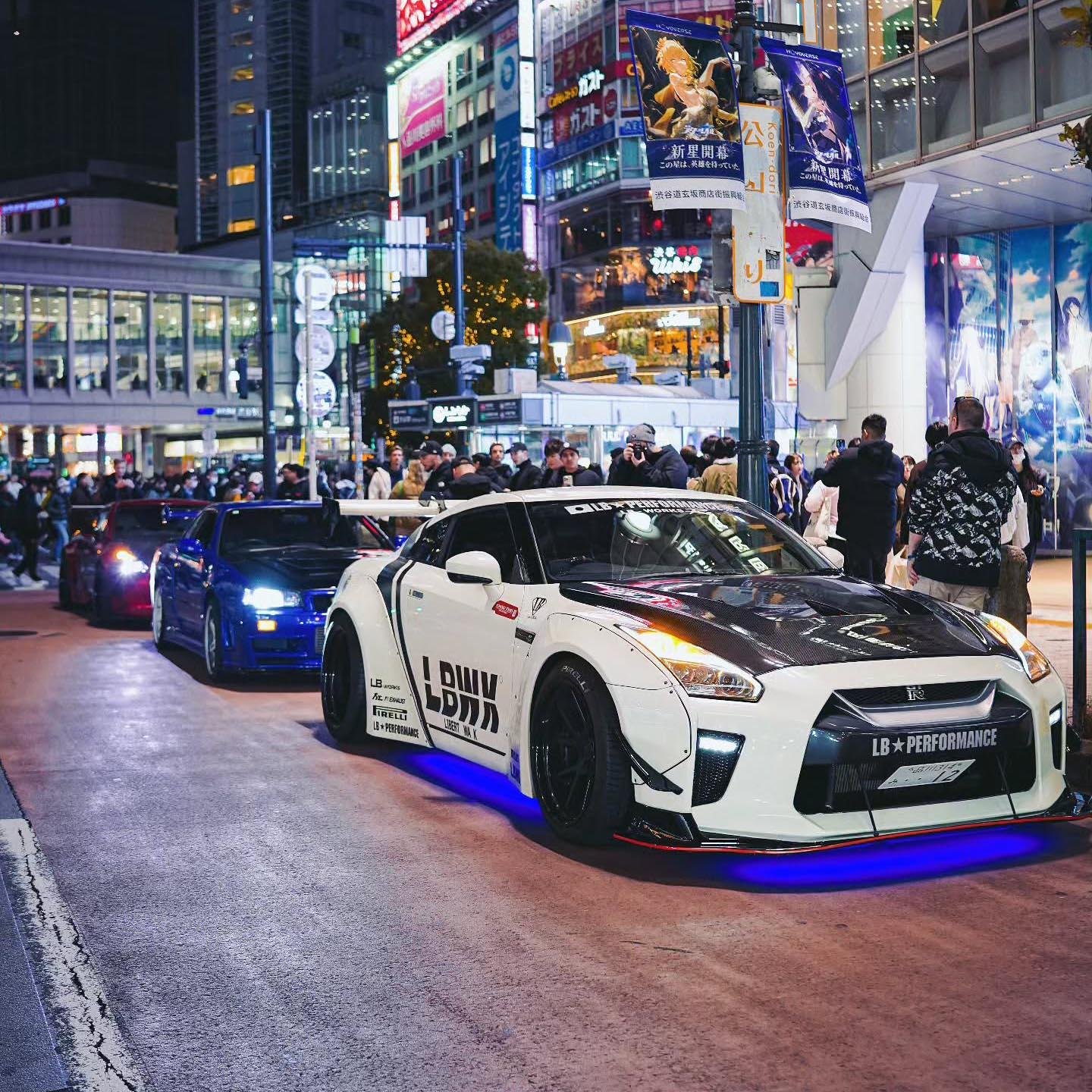
Pilot a modified Nissan GT-R through Tokyo's streets, stopping at legendary car culture spots
3.5-4 hours
Free Cancellation
Experience Tokyo's legendary street car culture at iconic JDM gathering spots with an expert guide
3 hours
Free Cancellation
Cruise Tokyo's expressways in a tuned Skyline, Supra, or GT-R and join the legendary Daikoku car scene
4 hours
Free Cancellation
Take the wheel of an iconic Japanese performance car and cruise Tokyo's expressways to the legendary Daikoku meeting spot
You collect your vehicle at the designated meeting point in Shibuya, typically a modified Nissan Silvia or Toyota Chaser already warmed to operating temperature.
The operator reviews the route—Metropolitan Expressway to Bayshore Route, southbound to Daikoku—and hands you a laminated card with parking area etiquette in Japanese and English. You merge onto the expressway as dusk settles over Tokyo Bay, the chassis responding with immediate steering weight and throttle linearity absent from modern equivalents.
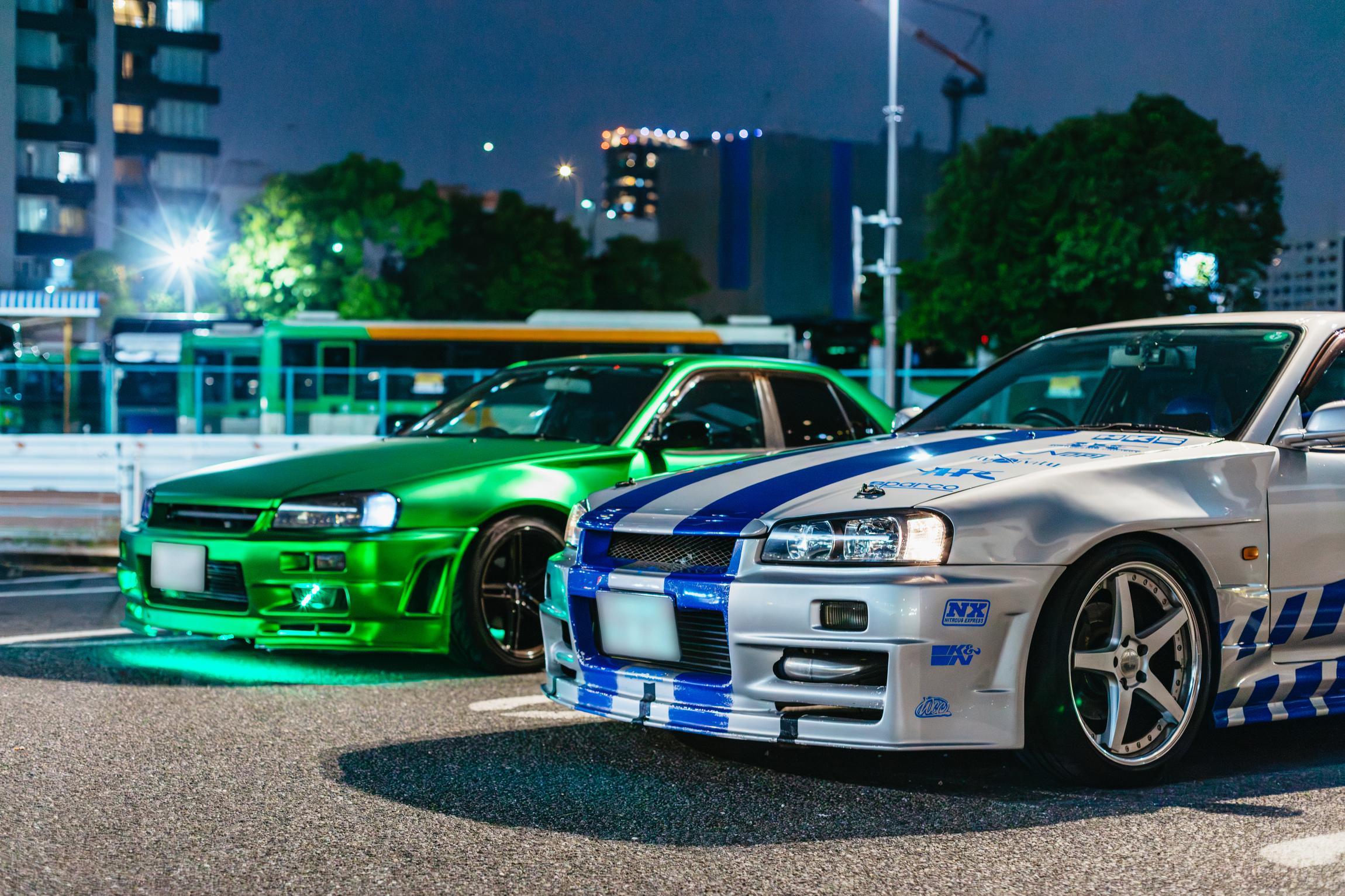
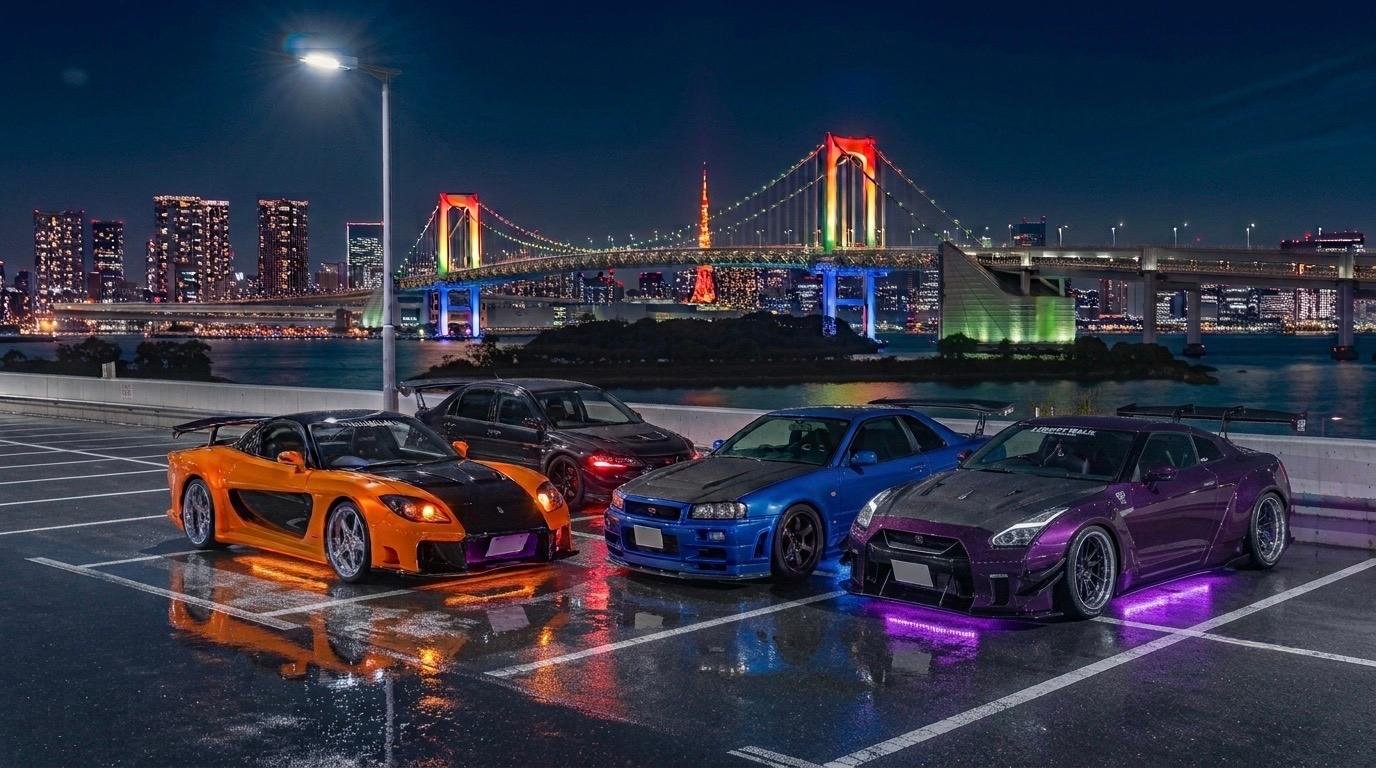
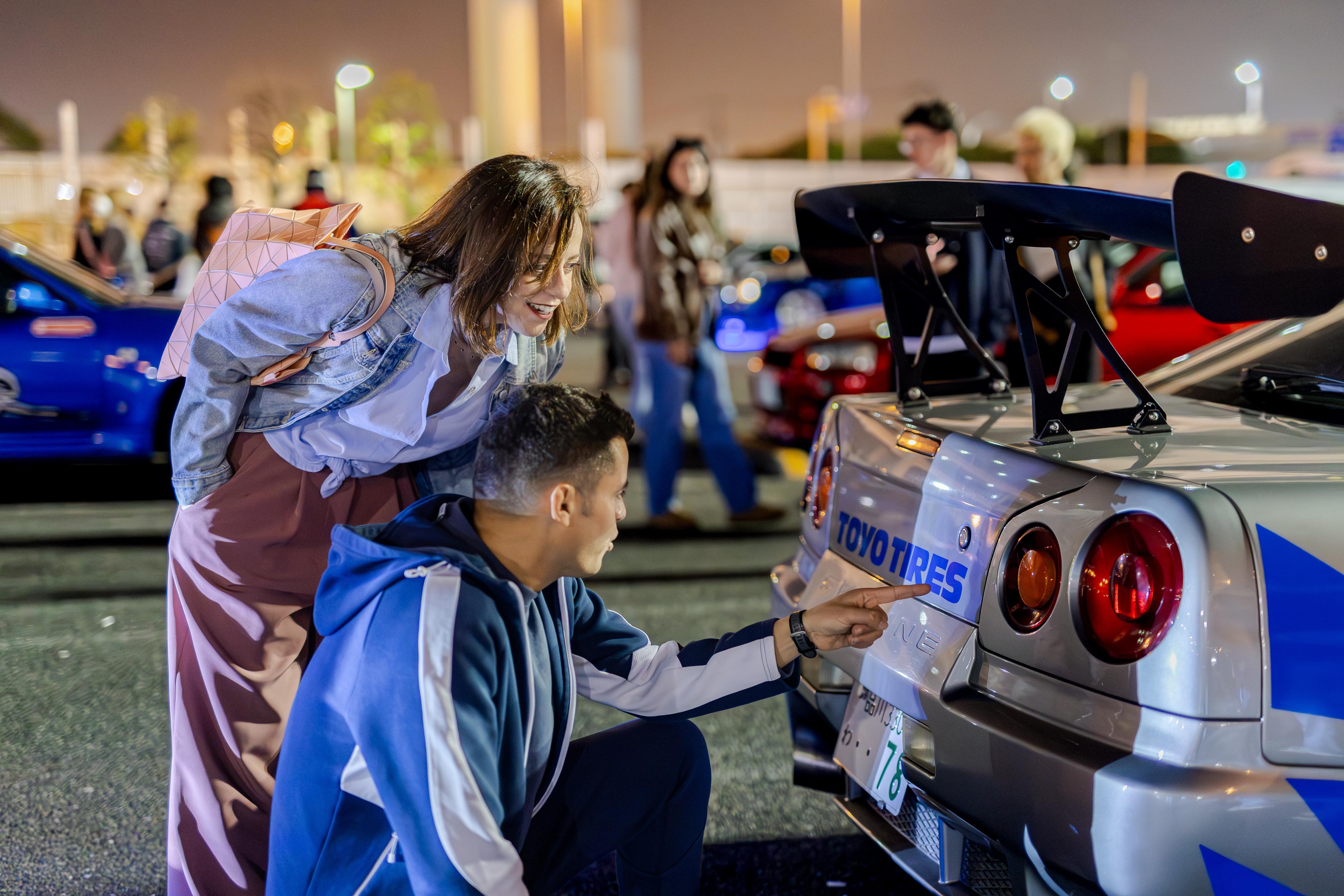
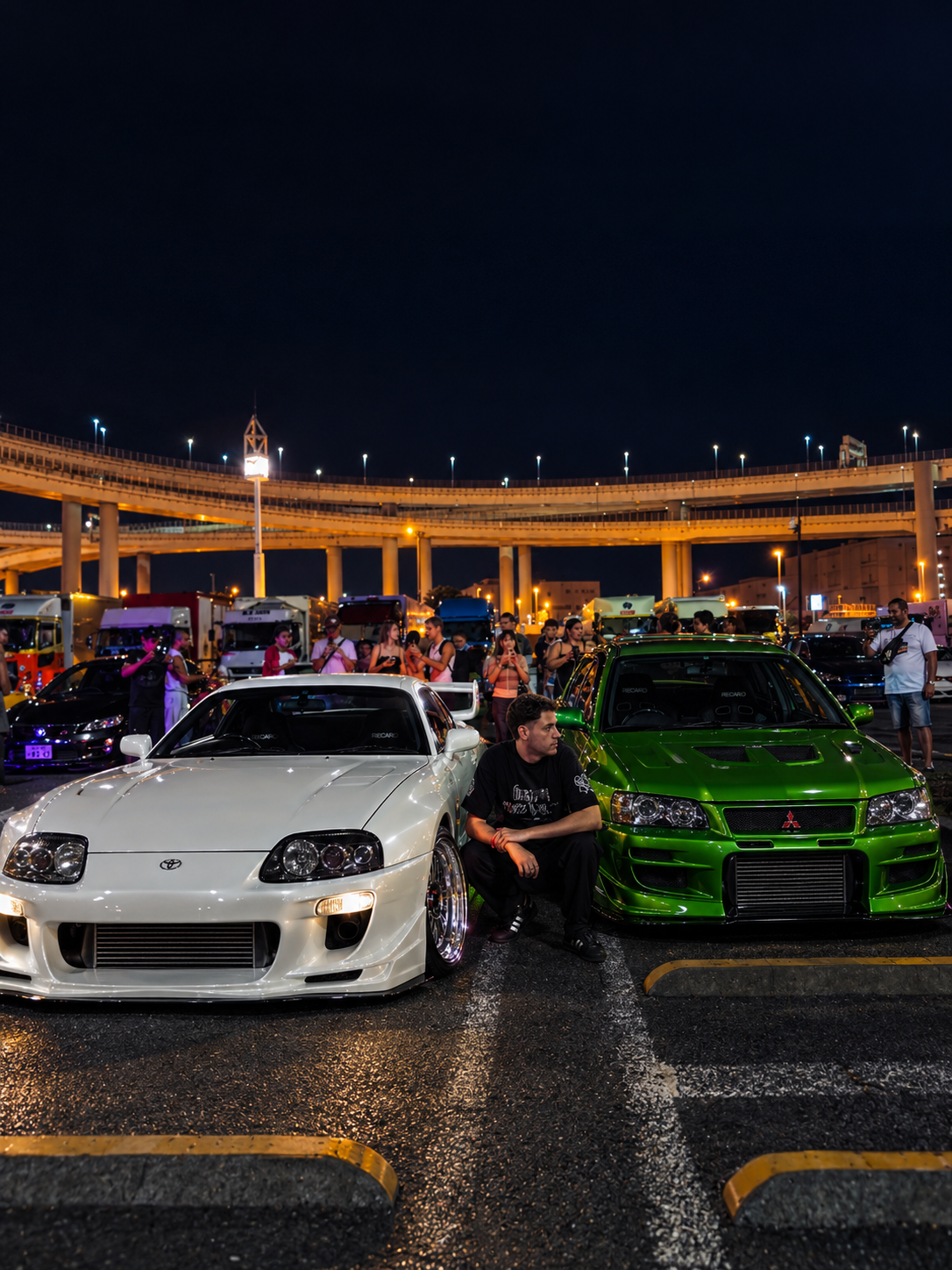
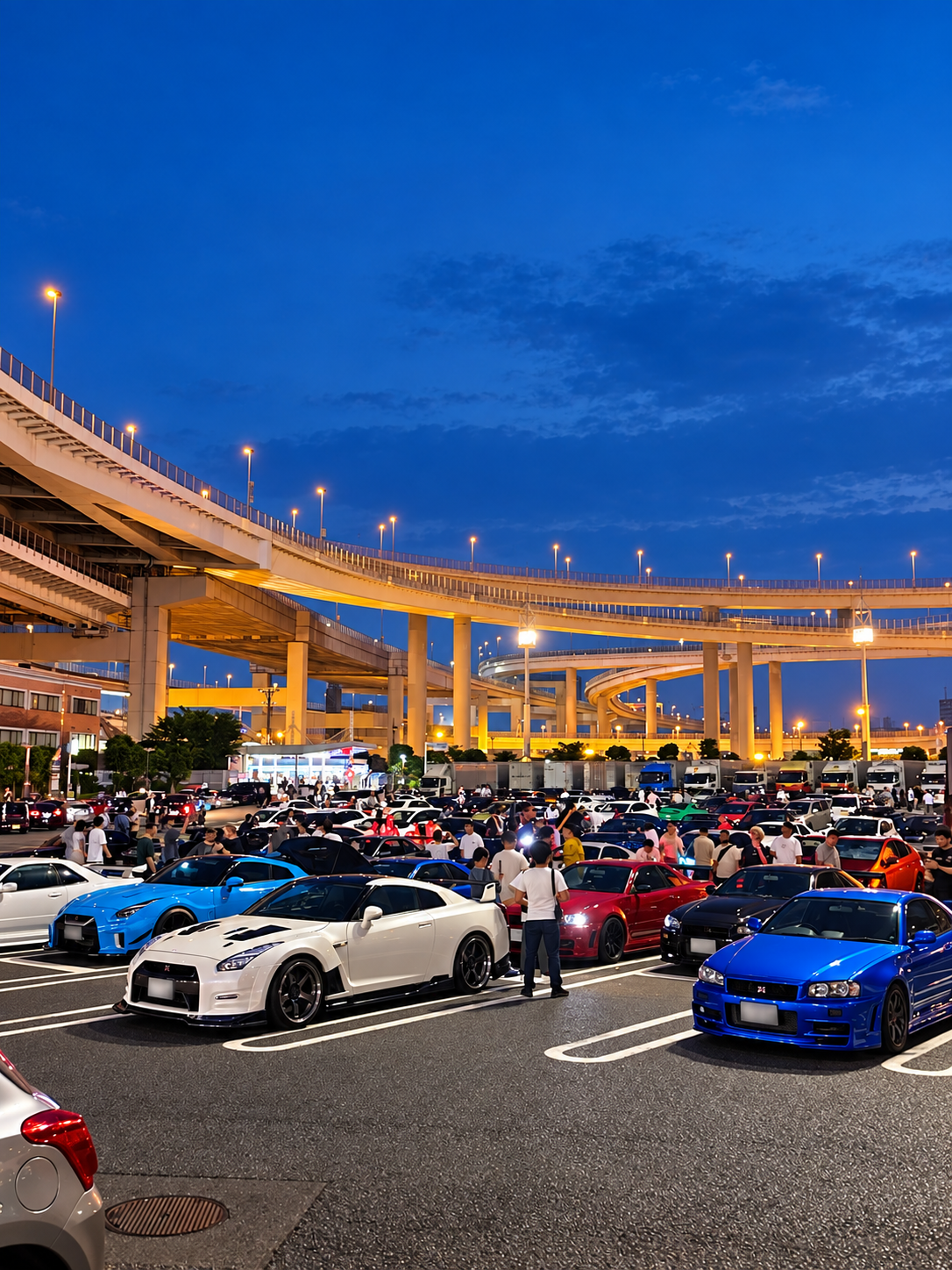
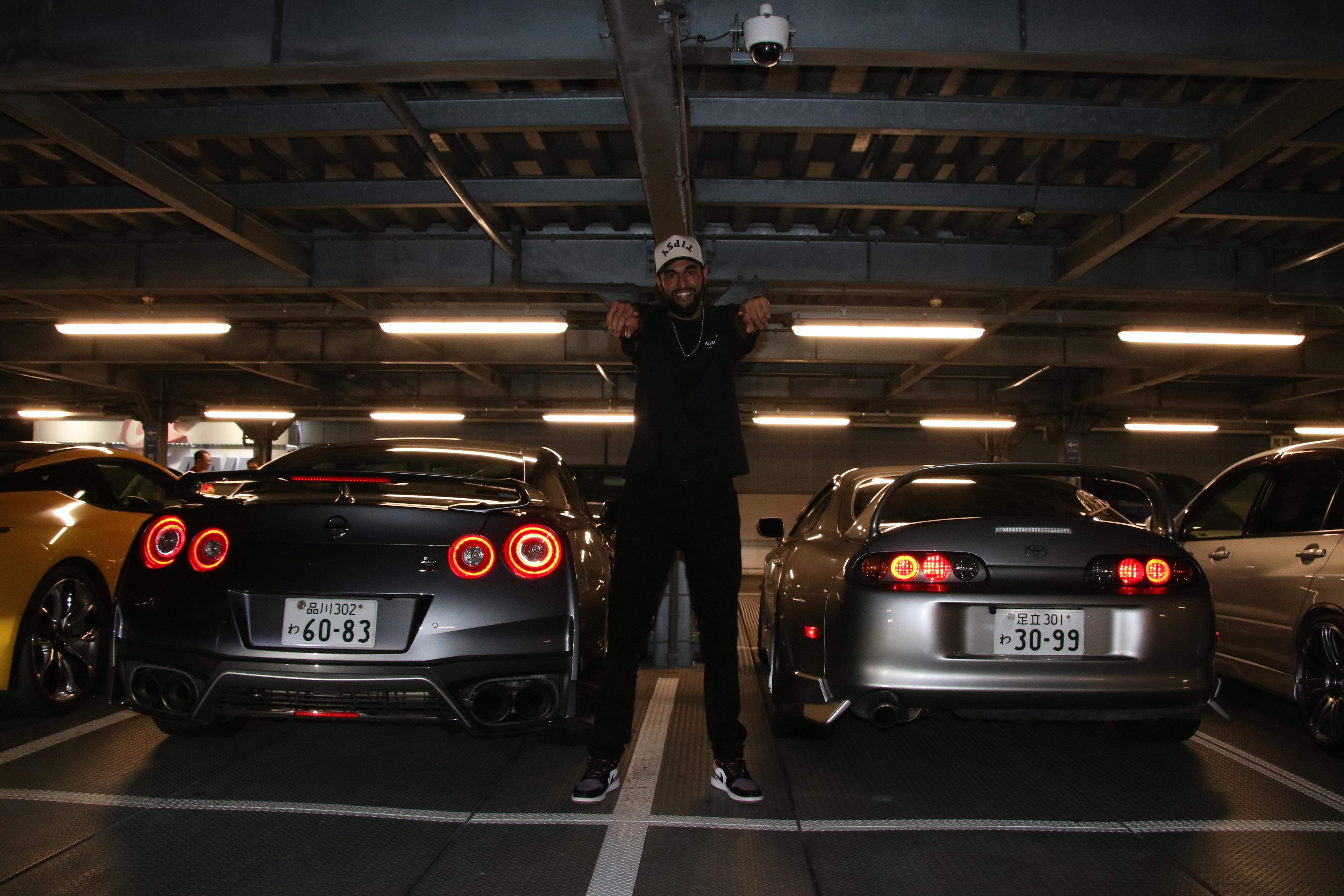
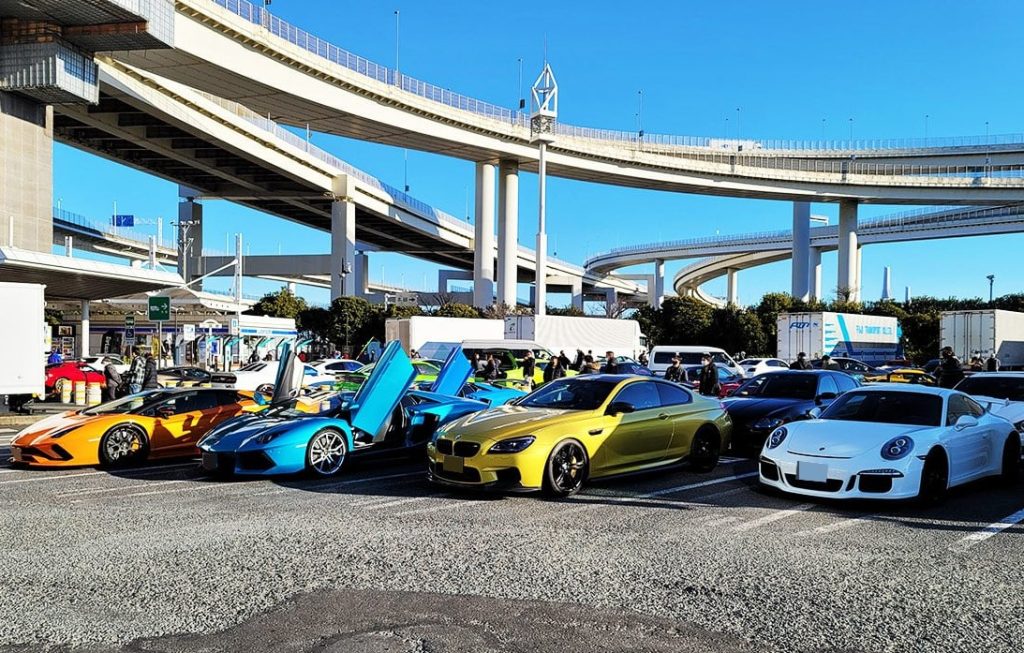
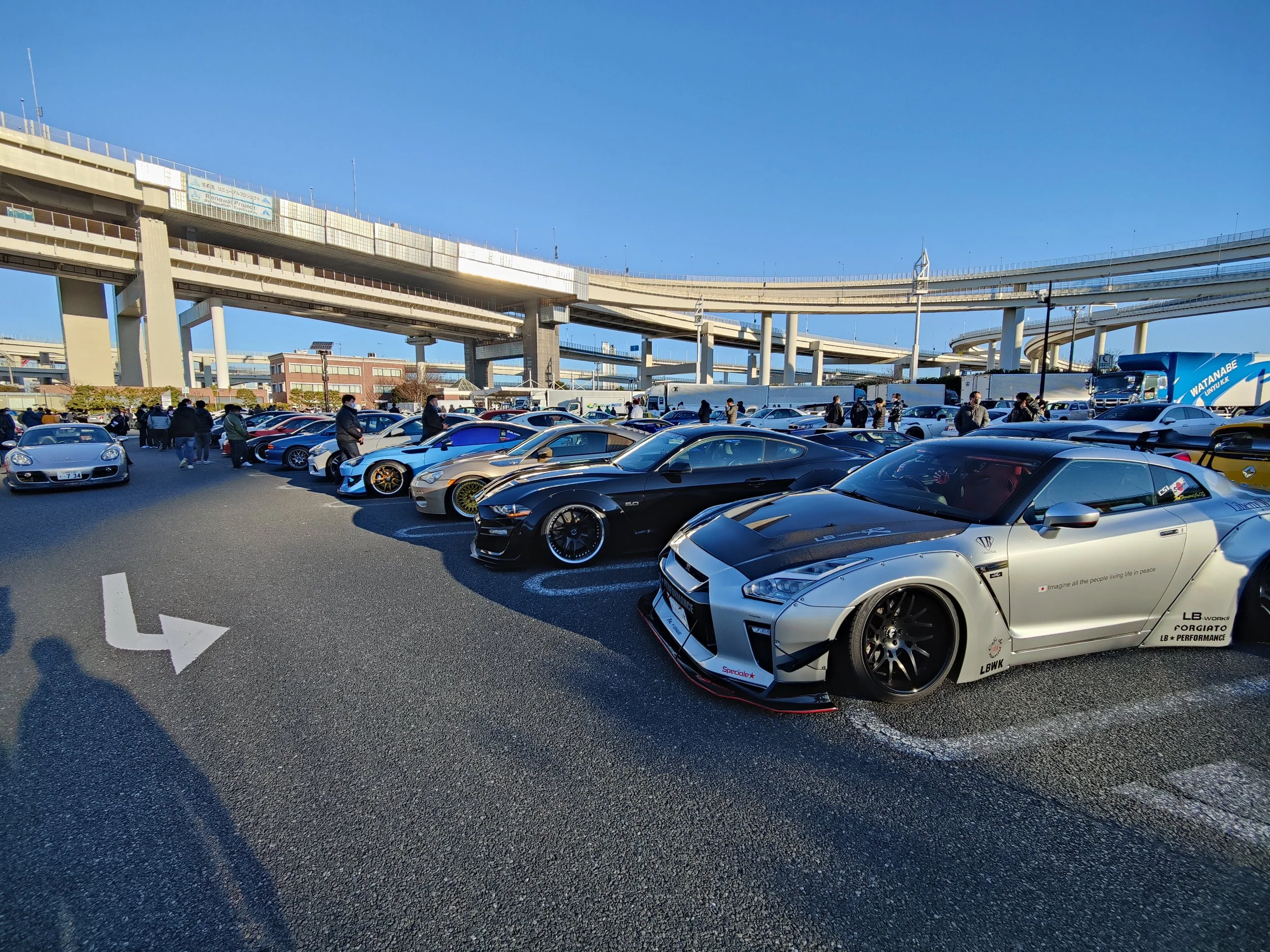
You reach Daikoku around 21:00, when the lot begins filling with serious participants. You park in the designated section and walk the rows, noting a pristine Hakosuka Skyline next to a widebody FD RX-7, a Kenmeri coupe beside a DC2 Integra Type R. Owners prop hoods to display engine bays—some factory-fresh restorations, others running custom turbo manifolds and standalone ECUs. You photograph an R34 GT-R in Midnight Purple II, its owner explaining the factory's single production run of that color in 1999.
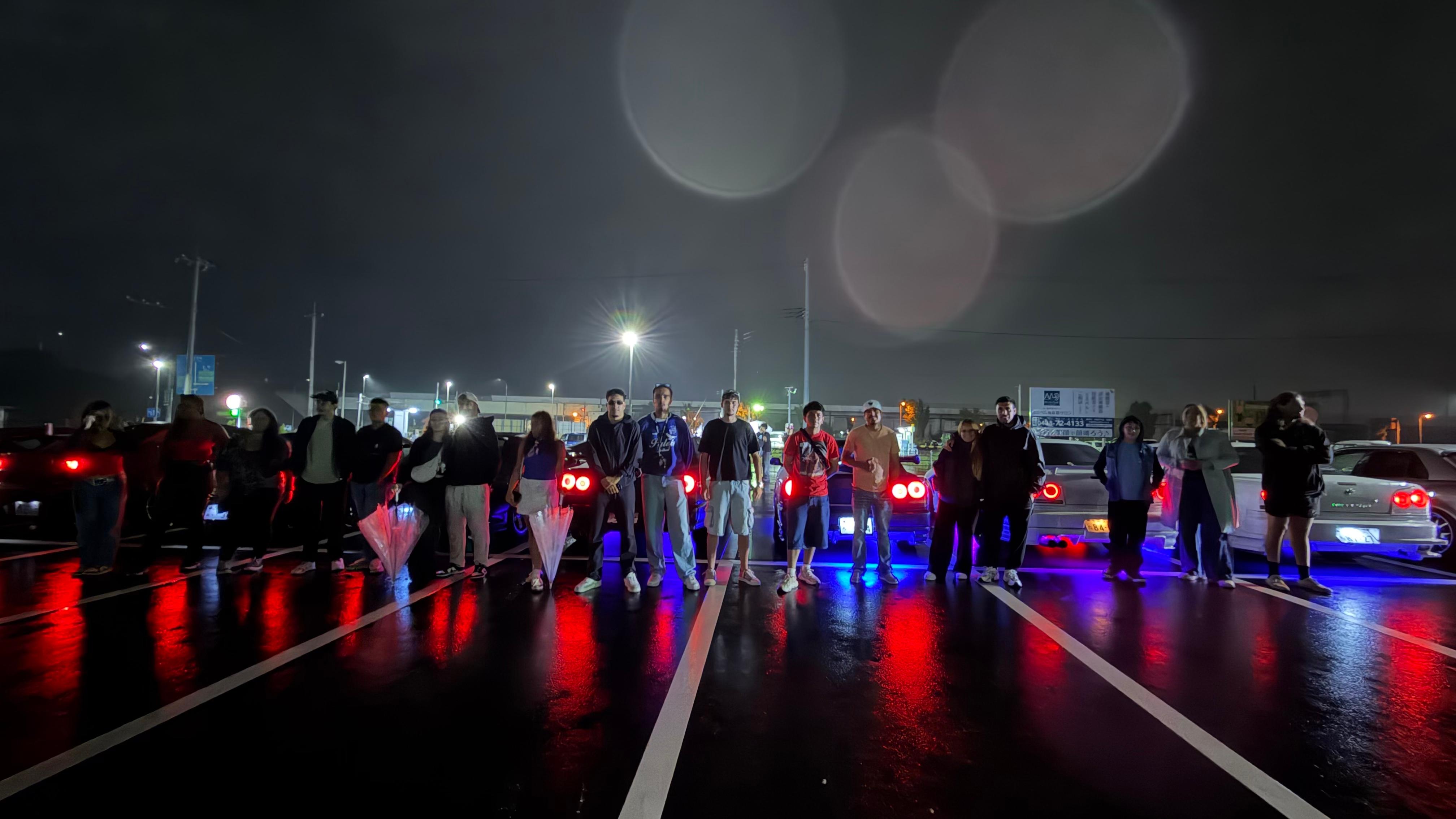
By 22:00 the lot reaches capacity and you return to your vehicle for the convoy back toward central Tokyo, now part of a thirty-car formation maintaining expressway pace through the Wangan's long straights. You exit near Tokyo Tower, the city's lights replacing the industrial sprawl of the port zone, and return the car with a half-tank of premium fuel and a detailed understanding of why these machines retain cult status three decades past their production dates.
All the details about your upcoming adventure in one place
Daikoku Parking Area opened in 1996 as a service plaza on the Bayshore Route, never intended to become the epicenter of Japan's street racing revival.
Within five years, weekend nights transformed the rest stop into an open-air gallery where Skyline GT-Rs, Supras, and RX-7s idled under sodium lights, their owners debating turbo pressures and suspension geometry until dawn. Police crackdowns forced the scene underground by 2005, only for it to resurge a decade later as international interest in JDM culture turned Daikoku into a pilgrimage site for automotive enthusiasts worldwide.
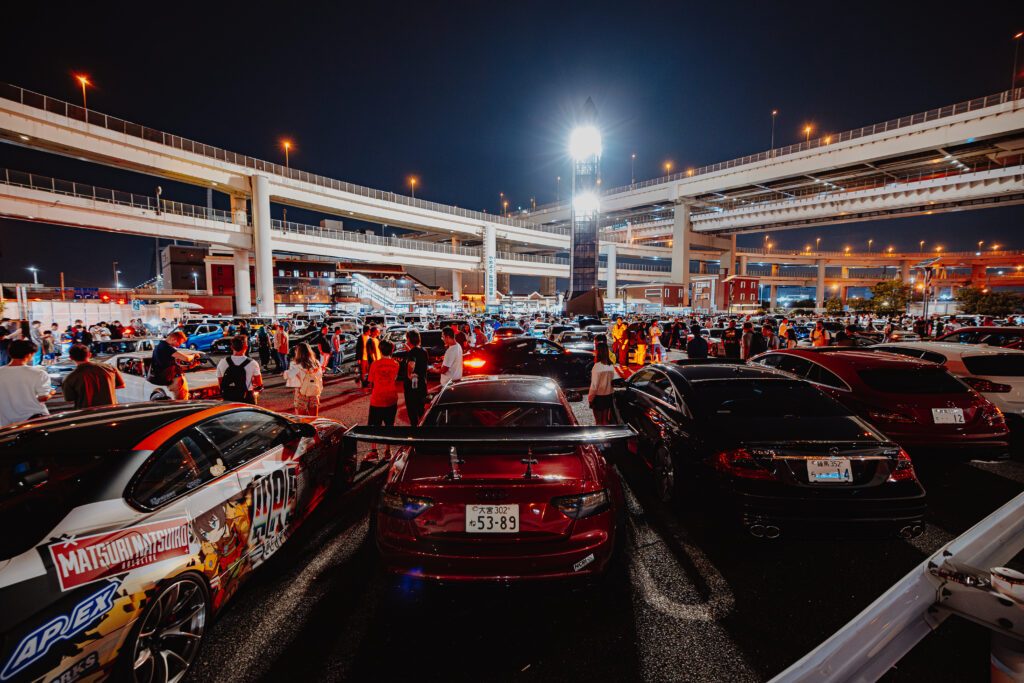
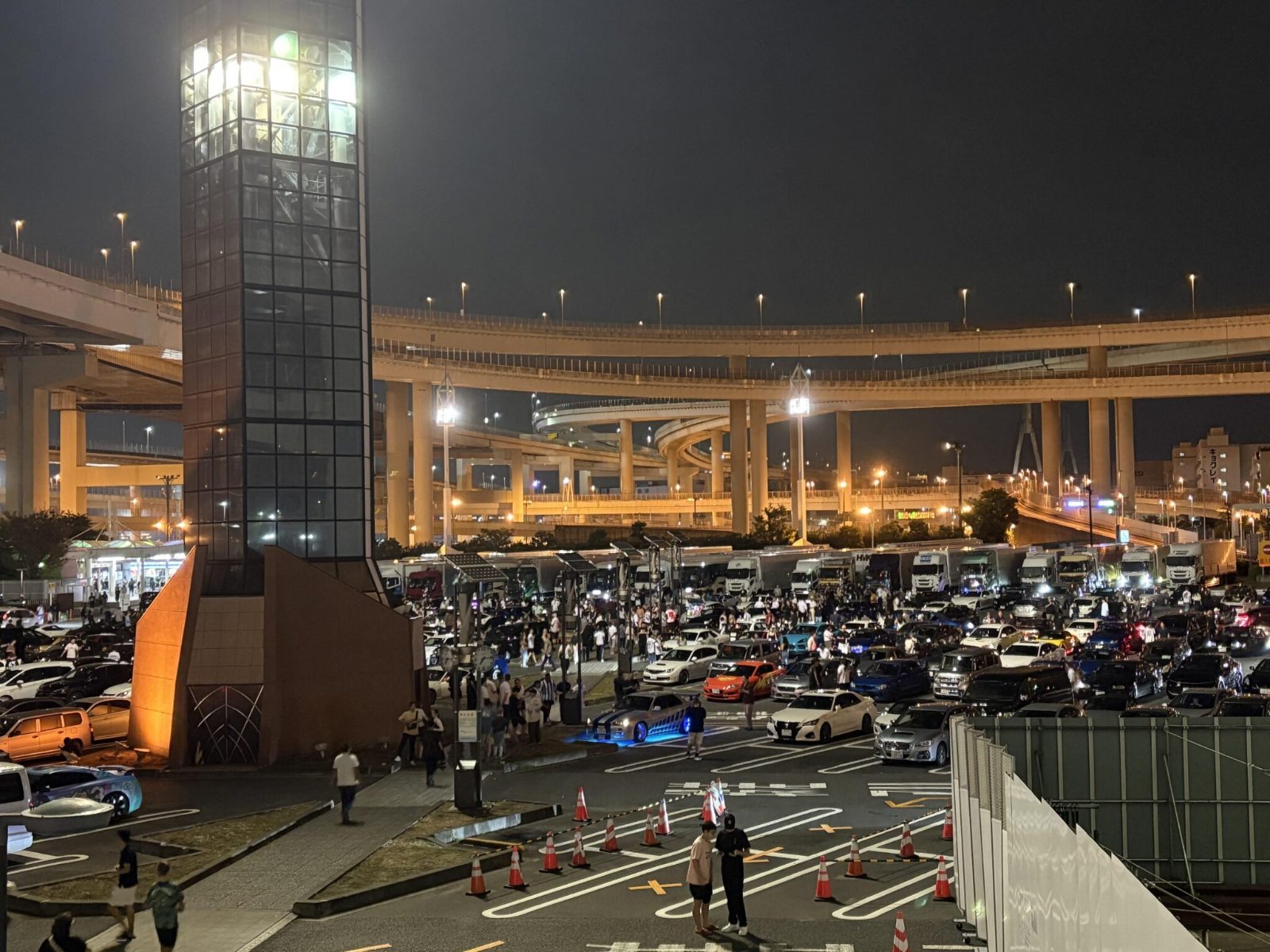
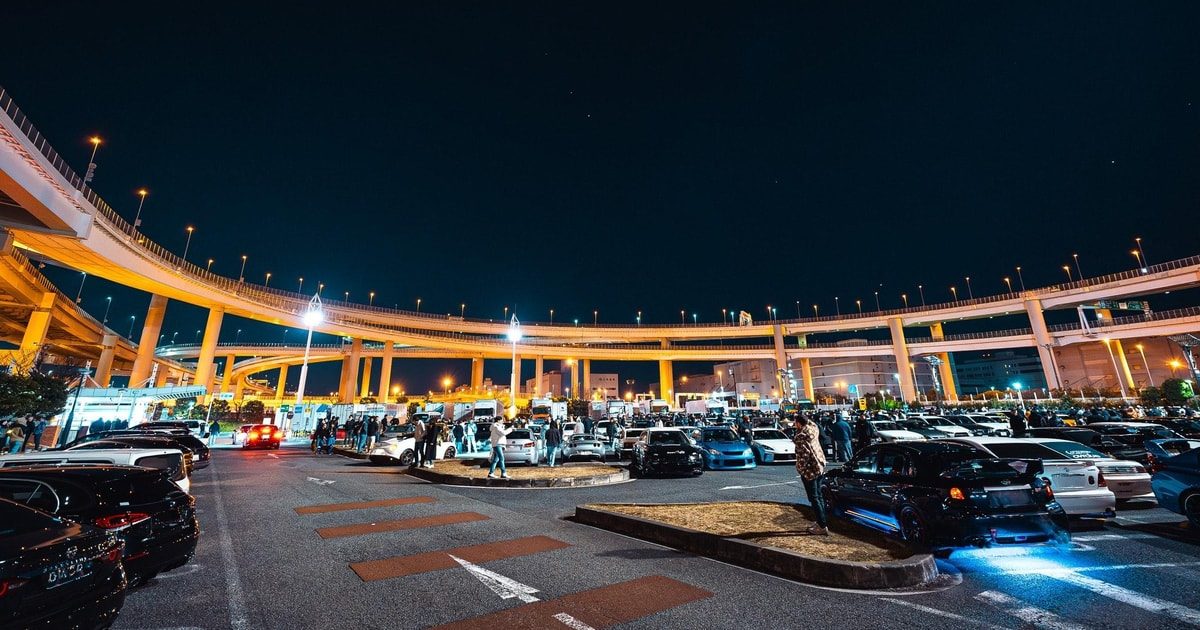
The location's appeal rests on geography and timing. Positioned along Tokyo Bay with the illuminated spans of the Yokohama Bay Bridge framing the western approach, Daikoku offers unobstructed sightlines and legal parking for modified vehicles that would draw citations elsewhere. The plateau's elevation keeps engine noise from residential districts, while expressway access allows participants to arrive and depart without threading through surface streets. On active nights, between two hundred and five hundred vehicles gather, representing four decades of Japanese performance engineering from first-generation Fairlady Zs to current-generation WRX STIs.
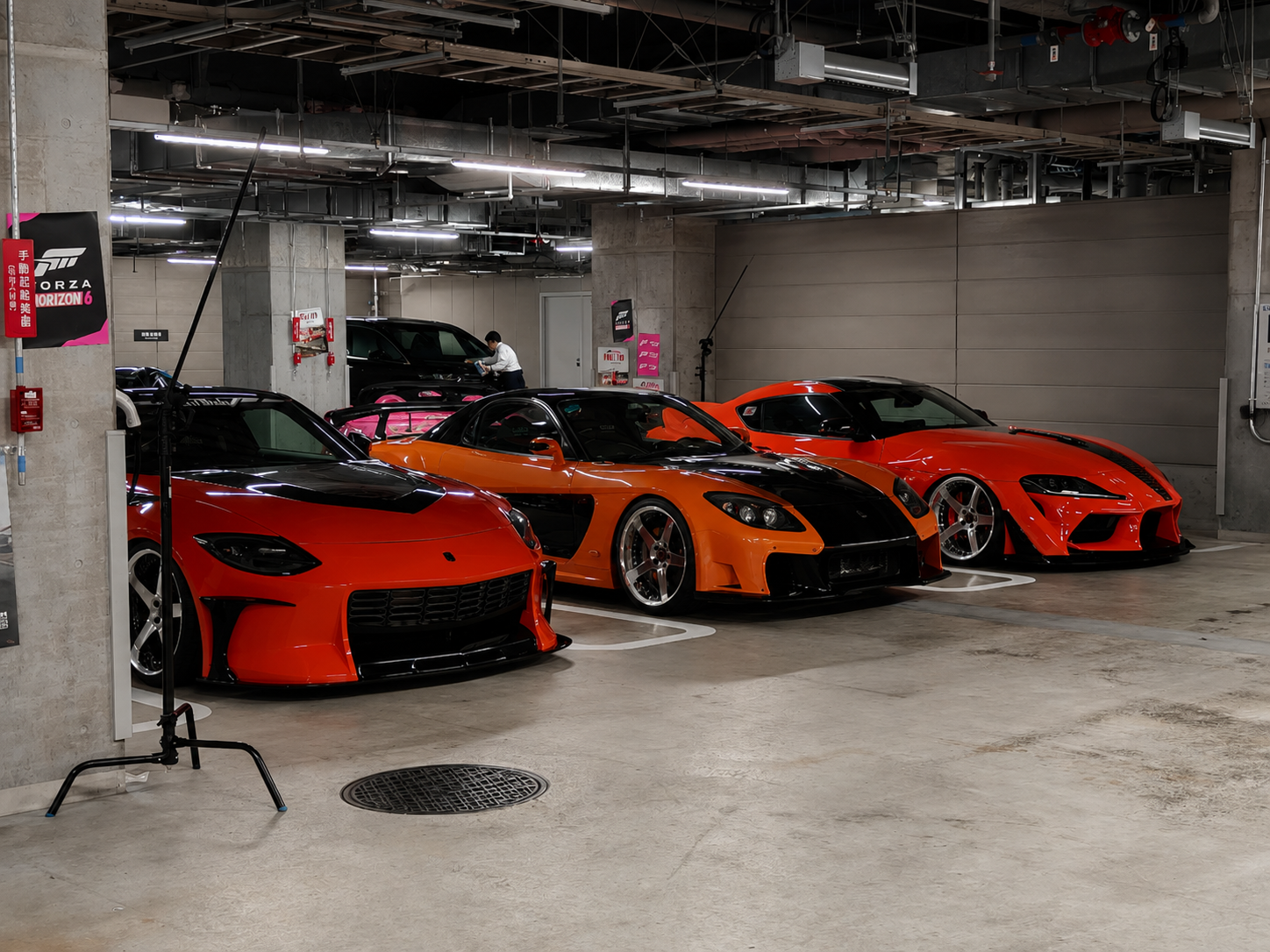
What distinguishes JDM tour Tokyo self drive experiences from standard rental operations is access to vehicles already integrated into the scene. Operators maintain cars built to period-correct specifications—Nissan Silvias with S15 front conversions, Toyota Chasers running twin-turbocharged 1JZ engines, Mazda Roadsters on adjustable coilover suspension. These are not showroom replicas but working examples of grassroots tuning culture, each representing specific technical philosophies about power delivery, weight distribution, and mechanical feedback. Drivers receive pre-convoy briefings covering expressway etiquette, parking area protocols, and the unwritten hierarchies that govern meet interactions.
The experience operates within legal boundaries. All routes use toll roads where speed limits and traffic laws apply. Daikoku itself enforces strict rules against burnouts, drifting, and excessive revving, with violators banned by lot management. What participants gain is proximity to the culture—conversations with builders who source parts from defunct tuning shops, observation of vehicles rarely photographed outside private garages, and the tactile experience of piloting machinery designed for circuits but tempered for public roads. The scene's longevity depends on this balance between enthusiasm and restraint, a compromise that has allowed JDM tour Tokyo self drive operations to formalize what was once purely informal.

Daikoku transformed from highway rest stop to automotive pilgrimage site within five years, hosting Japan's largest open-air gathering of tuned performance vehicles.
Casual attire is appropriate for a jdm tour tokyo self drive. Wear comfortable footwear suitable for walking on pavement.
Personal bags are permitted. Note that this is a public parking facility with no secure storage areas.
Photography of vehicles is common. Respect the privacy of owners during any jdm tour tokyo self drive tour.
Families are welcome, though children should remain supervised at all times due to active vehicle traffic.
The area is flat and paved. Most sections of the Daikoku Parking Area are accessible for visitors with limited mobility.
There is a snack bar and vending machines on-site. Visitors may bring their own food and beverages.
Opening Hours
00:00–23:59
Address
15 Daikoku-futo, Tsurumi-ku, Yokohama, Kanagawa, Japan
Entry Fee
0 JPY
Best Arrival
20:00–22:00
Storage
None available
Navigation
Use GPS for Daikoku Parking Area
Car
Access via the Shuto Expressway Wangan Route. Follow signs for Daikoku Futo to begin your jdm tour tokyo self drive.
This site is a public facility. There is no cancellation policy as there is 0 JPY entrance fee.
Recommended time
2-3 hours
Most enthusiasts find 2-3 hours sufficient to observe the local car culture and vehicle modifications during a jdm tour tokyo self drive. Plan your schedule around the best arrival window of 20:00–22:00 to witness high-performance automotive gatherings while accounting for periodic police sweeps. Those booking jdm tour tokyo self drive tours should note that parking capacity fluctuates, and spending beyond three hours may lead to diminished returns as crowds thin out late at night. Whether you require jdm tour tokyo self drive tickets or are organizing your own route, timing your stop ensures you see the most activity at this Yokohama landmark.
Crowd levels through the day
Weather · crowds · average price — dots go green to amber to red as each metric rises.
September to November offers cool, dry weather perfect for a jdm tour tokyo self drive tour.
Clear skies provide excellent visibility for night photography.
Mild temperatures make for comfortable late-night viewing sessions.
Expect humid conditions and higher potential for police activity.
Monitor the Shuto Expressway traffic reports before starting a jdm tour tokyo self drive.
Do not engage in reckless driving or loud revving to avoid police intervention.
Park only in designated bays to keep the flow moving for other enthusiasts.
Bring a tripod for your camera to capture vehicle details under the fluorescent lights.
Refuel before entering the expressway as there are no gas stations inside the parking area.
Daikoku Parking Area opened in 1989 as a standard service facility on the Bayshore Route of the Shuto Expressway, designed to accommodate commercial truckers and long-haul drivers navigating Yokohama's industrial port districts. Its elevated position and broad asphalt expanse drew little public attention until the mid-1990s, when Japan's underground street racing culture began to coalesce around accessible late-night gathering points. By 1997, owners of modified Nissan Skylines, Toyota Supras, and Mazda RX-7s had transformed the parking area into an informal showcase, arriving after midnight to display engine swaps, turbocharger upgrades, and custom body kits away from residential neighborhoods. The site gained international recognition in 2001 when it appeared in Genki Sudo's documentary footage of Tokyo's drift scene, later referenced in the global success of the Fast and Furious franchise. This exposure attracted foreign enthusiasts seeking authentic jdm tour tokyo self drive experiences, prompting Kanagawa Prefectural Police to impose periodic closures between 2003 and 2007 to manage crowd congestion and illegal racing. Despite enforcement efforts, the parking area's cultural significance solidified, with automotive photographers and magazine editors treating it as a living archive of Japan's tuning heritage. By 2010, the venue had become a recognized pilgrimage site for collectors and tourists, leading to informal self-regulation among regular attendees who established unwritten rules against aggressive driving and disruptive behavior. Today, Daikoku functions as both a working rest stop and a spontaneous car meet venue, with peak gatherings occurring on weekend evenings when hundred-plus vehicles assemble without formal organization. The site's survival reflects a pragmatic tolerance by authorities, who prioritized traffic safety over outright prohibition, allowing jdm tour tokyo self drive tours to incorporate the location as a cultural landmark rather than a clandestine destination.
Daikoku Parking Area opens as a commercial truck stop on the Shuto Expressway Bayshore Route.
Modified car owners begin using the site for informal late-night meets, displaying tuned Skylines and Supras.
International media features Daikoku in street racing documentaries, raising global awareness.
Kanagawa police implement periodic closures to control crowds and prevent illegal racing activity.
The venue gains official recognition as a cultural site for automotive enthusiasts and self-drive pilgrims.
Daikoku operates as both a functional rest area and an unsanctioned weekly gathering point for JDM collectors.
Stand near the center of the main lot to capture high-density rows of modified sports cars under the bright floodlights. This vantage point is ideal for documenting the local car culture scene during your jdm tour tokyo self drive.
Planning a jdm tour tokyo self drive offers an authentic look at Japanese car culture for older children and teens interested in automotive engineering. While the environment is bustling, families can manage a comfortable visit by focusing on vehicle spotting in this unique Yokohama transit hub.
The parking area is paved and level, making it stroller-accessible for families with toddlers who need to stay contained. Be aware that the ground is shared with active traffic, so keep children close at all times
This experience is most suitable for school-aged children and teenagers who appreciate motor vehicles and mechanical design. Younger children may find the late-night atmosphere less engaging compared to standard parks
You will find basic restrooms on-site, though these are functional and lack specialized baby-change tables or family-oriented amenities. Please prepare your own supplies before arriving for your jdm tour tokyo self drive tours
Families typically spend about one hour here to view the custom engine bays and body kits. Follow the best arrival window of 20:00–22:00 to balance visibility with your travel schedule
The parking area is entirely outdoors and lacks significant shelter, making it difficult to navigate during inclement weather. Check the local forecast before booking your jdm tour tokyo self drive tour tickets to ensure a dry visit.
Dining options at Daikoku Parking Area are limited to the on-site convenience store and snack bar, making them the primary fuel for participants on a jdm tour tokyo self drive. As you explore the Yokohama harbor skyline while waiting for the engine enthusiasts to gather, these facilities provide the necessary quick bites.
Offers standard Japanese expressway fare like curry rice, ramen, and soba, perfect for a fast meal between car meet discussions. It serves as a practical stop for those participating in jdm tour tokyo self drive tours.
Everything you need to know for your journey
The Daikoku Parking Area is open 00:00–23:59 every day.
Entry is 0 JPY, though you will incur expressway tolls during your jdm tour tokyo self drive.
The best arrival window is 20:00–22:00 to see peak activity.
Yes, the area is open 24 hours, but police often restrict access earlier than 20:00.
The location is 15 Daikoku-futo, Tsurumi-ku, Yokohama, Kanagawa, Japan.
Yes, the parking area is flat and paved, suitable for any jdm tour tokyo self drive.
Yes, weapons, illegal modifications, and loud music equipment are prohibited at the Daikoku Parking Area.
Use the Shuto Expressway Wangan Route to reach the Daikoku Parking Area for your jdm tour tokyo self drive.
Yes, families can visit, but keep children away from active driving lanes.
Yes, you can visit the Yokohama Bay Bridge nearby after finishing your jdm tour tokyo self drive.
An iconic suspension bridge providing scenic views of the bay area.
Primary hub for hotels near the Yokohama waterfront.
Join thousands of happy travelers who have discovered this incredible experience
Book Your Experience Now