4 hr
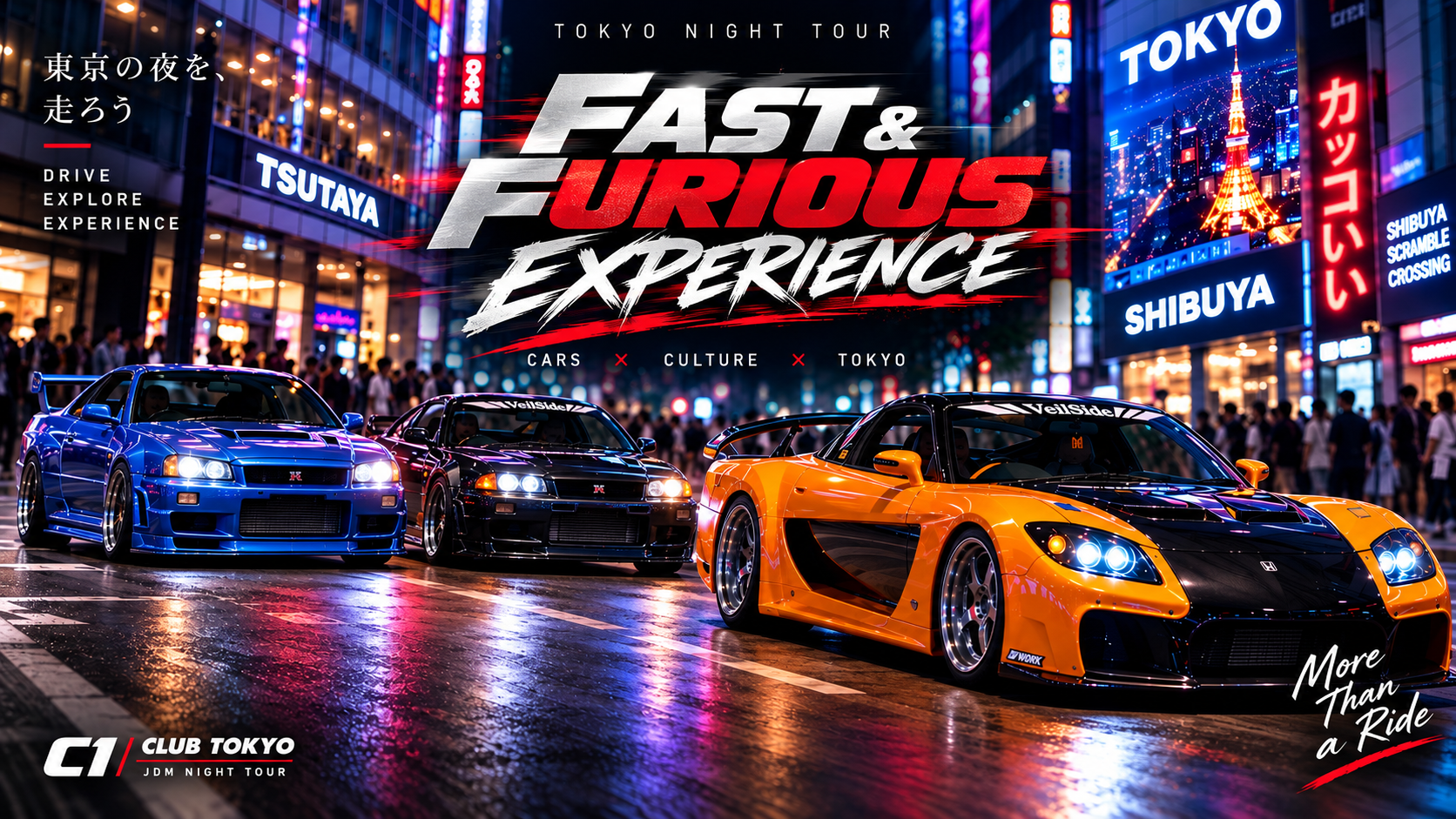
Fast & Furious Tokyo Drift Experience
- Entry ticket
- Mobile voucher
- Valid same day
- Free cancellation
JDM Tokyo Tour — Daikoku PA Car Meets & Night Drives
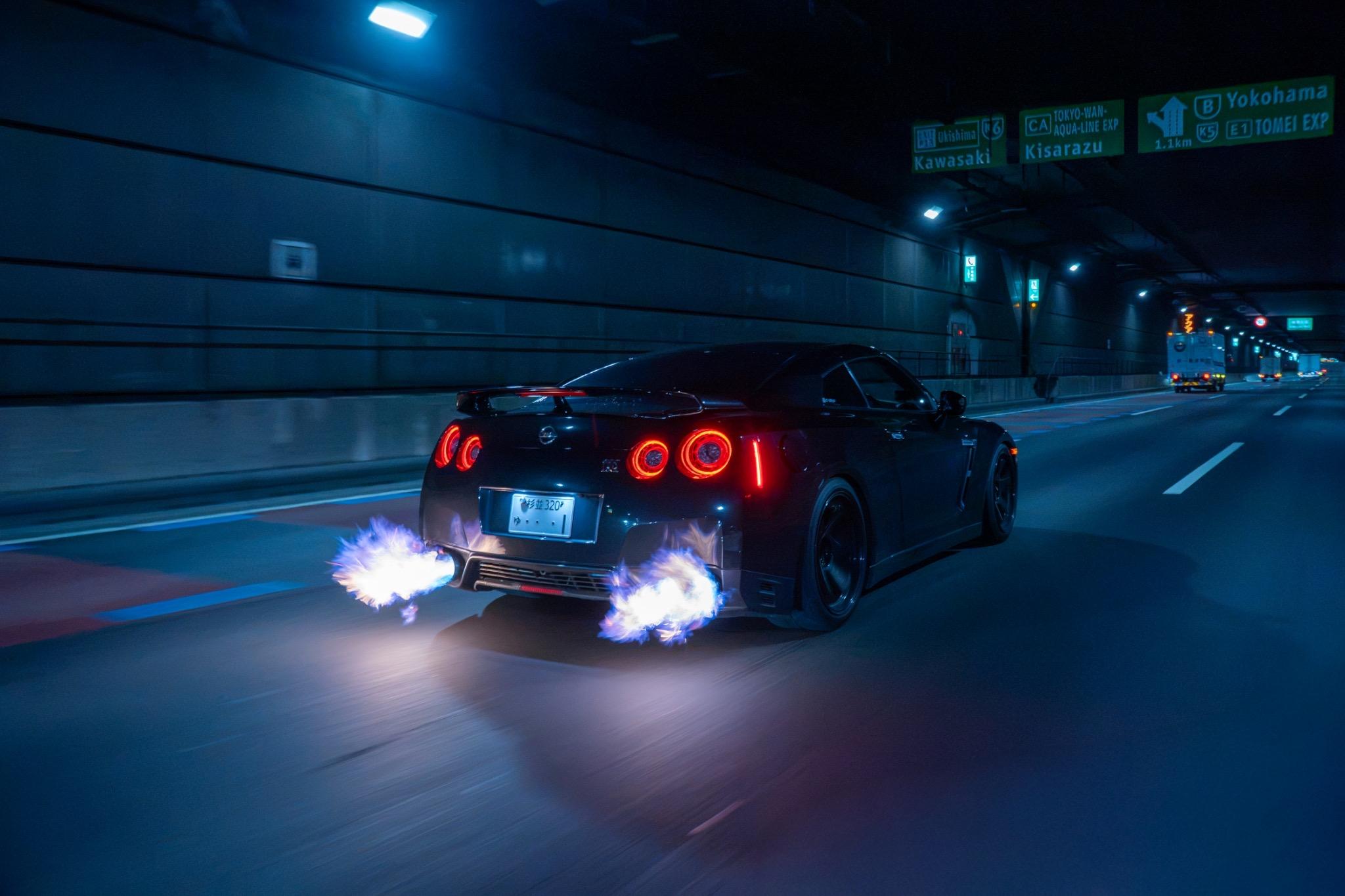
Where Wangan legends idle under sodium lights, chrome and carbon fiber tell midnight stories.
Compare fares, pick the fit — all bookings are mobile-voucher and eligible for free cancellation where shown.
4 hr
3 hr 30 min
4 hr
| Experience | Duration | Rating | Pickup | Guide | Small group | Free cancel. | Price | |
|---|---|---|---|---|---|---|---|---|
|
Standard Entry
Most popular
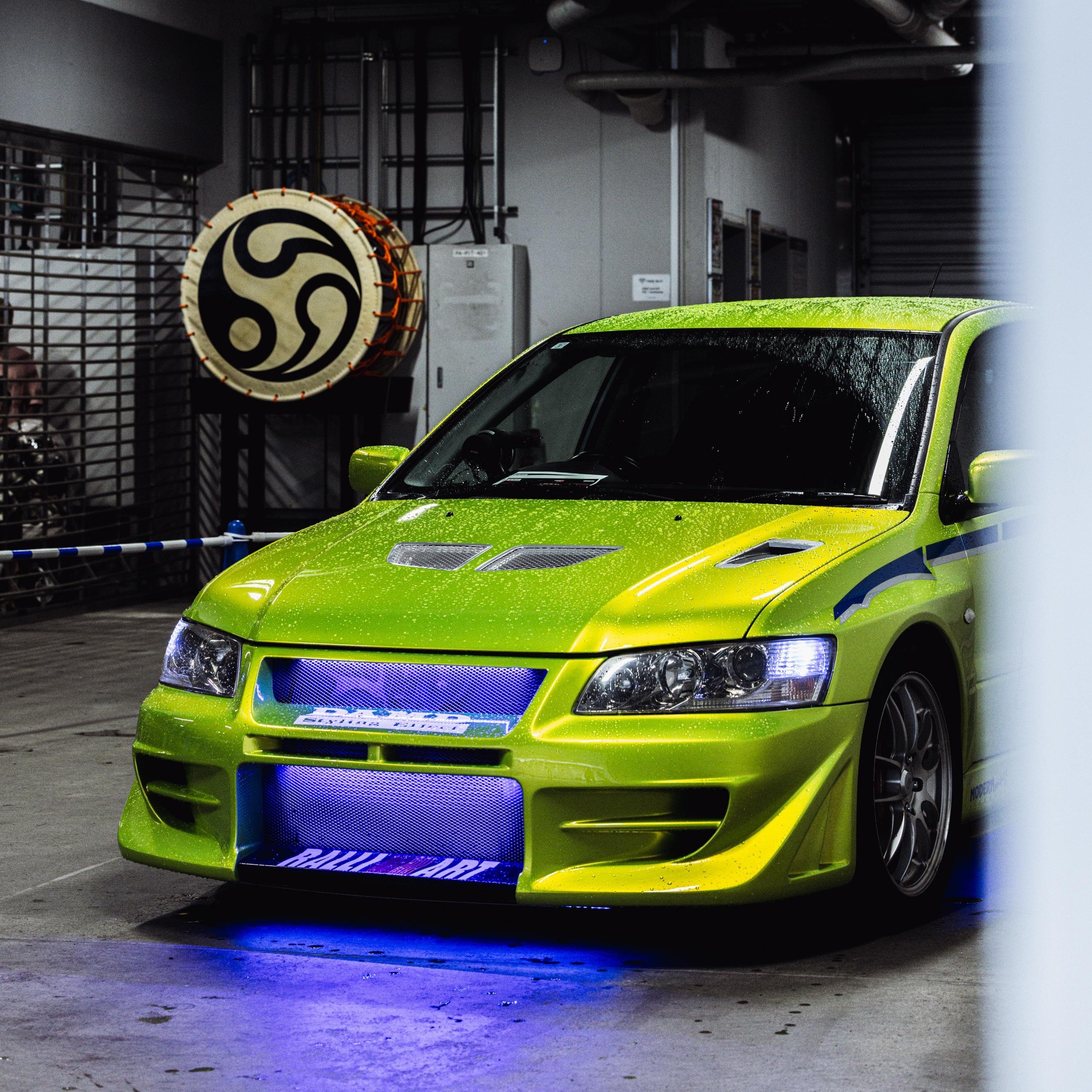
Fast & Furious Tokyo Drift Experience
|
4 hr | ★ 4.8 | ✓ | — | ✓ | ✓ | €119 | Book → |
|
Standard Entry
Tokyo JDM Night Drive: Daikoku PA & Iconic Racing Routes
|
3 hr 30 min | ★ 4.8 | — | ✓ | — | ✓ | €81 | Book → |
|
Standard Entry
Tokyo JDM Night Drive: EVO, WRX & Skyline to Daikoku PA
|
4 hr | ★ 4.9 | — | ✓ | ✓ | ✓ | €99 | Book → |
Daikoku Parking Area offers a large-scale, high-energy car meet environment, whereas Tatsumi Parking Area provides a more intimate, urban-aesthetic experience; most visitors find Daikoku the more thrilling destination for a jdm tokyo tour.
|
Top pick Daikoku PA |
Tatsumi PA | |
|---|---|---|
| Atmosphere | High-energy, massive car meets | |
| Crowd Size | High, hundreds of enthusiasts | |
| Accessibility | Vehicle access required | |
| Photography Style | Wide-angle, dynamic action shots | |
| Police Presence | High, frequent closures observed | |
| Nightlife Vibe | Industrial, neon-lit motorway landmark | |
| See tickets & prices |
Verdict: Choose Daikoku for a massive JDM scene showcase or select Tatsumi for a refined, cityscape-focused jdm tokyo tour tour experience.
Hand-picked experiences loved by thousands of travelers
4 hours
Free Cancellation
Experience Tokyo's legendary street car meet from the passenger seat of a turbocharged rally icon
3 hours
Free Cancellation
Cruise Tokyo's neon highways in a real Japanese performance car driven by local enthusiasts who live the culture.
3 hours
Free Cancellation
Drive legendary Japanese performance cars through Tokyo's underground racing culture and iconic landmarks
3 hours
Free Cancellation
Explore Tokyo's legendary street racing culture in an iconic Japanese performance car with an expert guide
3 hours
Free Cancellation
Cruise Tokyo's streets after dark in a convoy of legendary Japanese performance cars with expert guides.
2 hours 30 minutes
Free Cancellation
Ride shotgun in a tuned Japanese sports car through Tokyo's highways to the world's most iconic car meet
3.5 - 4 hours
Free Cancellation
Experience Tokyo's legendary street car culture at iconic midnight gathering spots with a local guide
3 hours
Free Cancellation
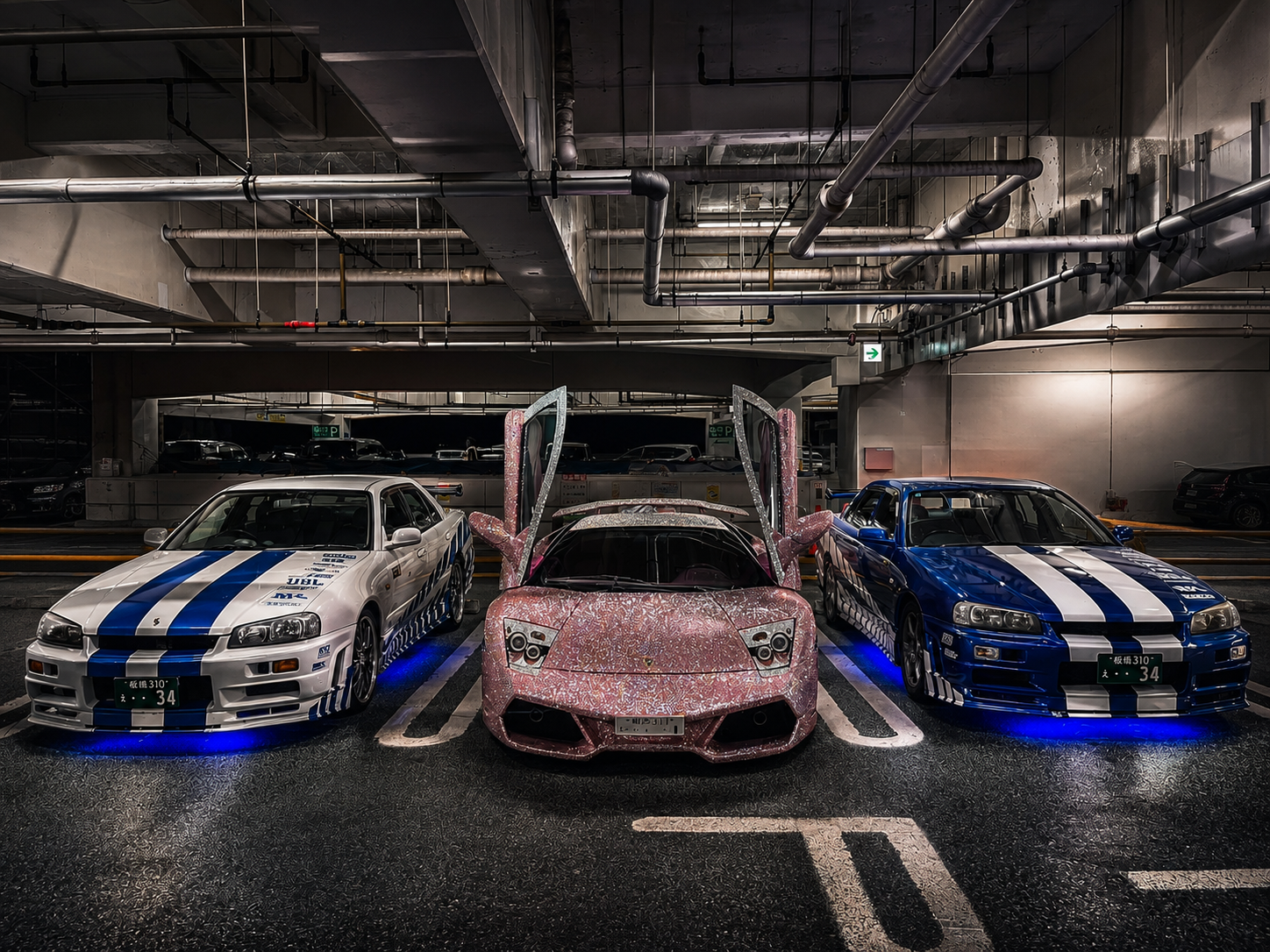
Drive through Tokyo in a legendary Fast & Furious-style R34 Skyline with a pro photographer at the wheel
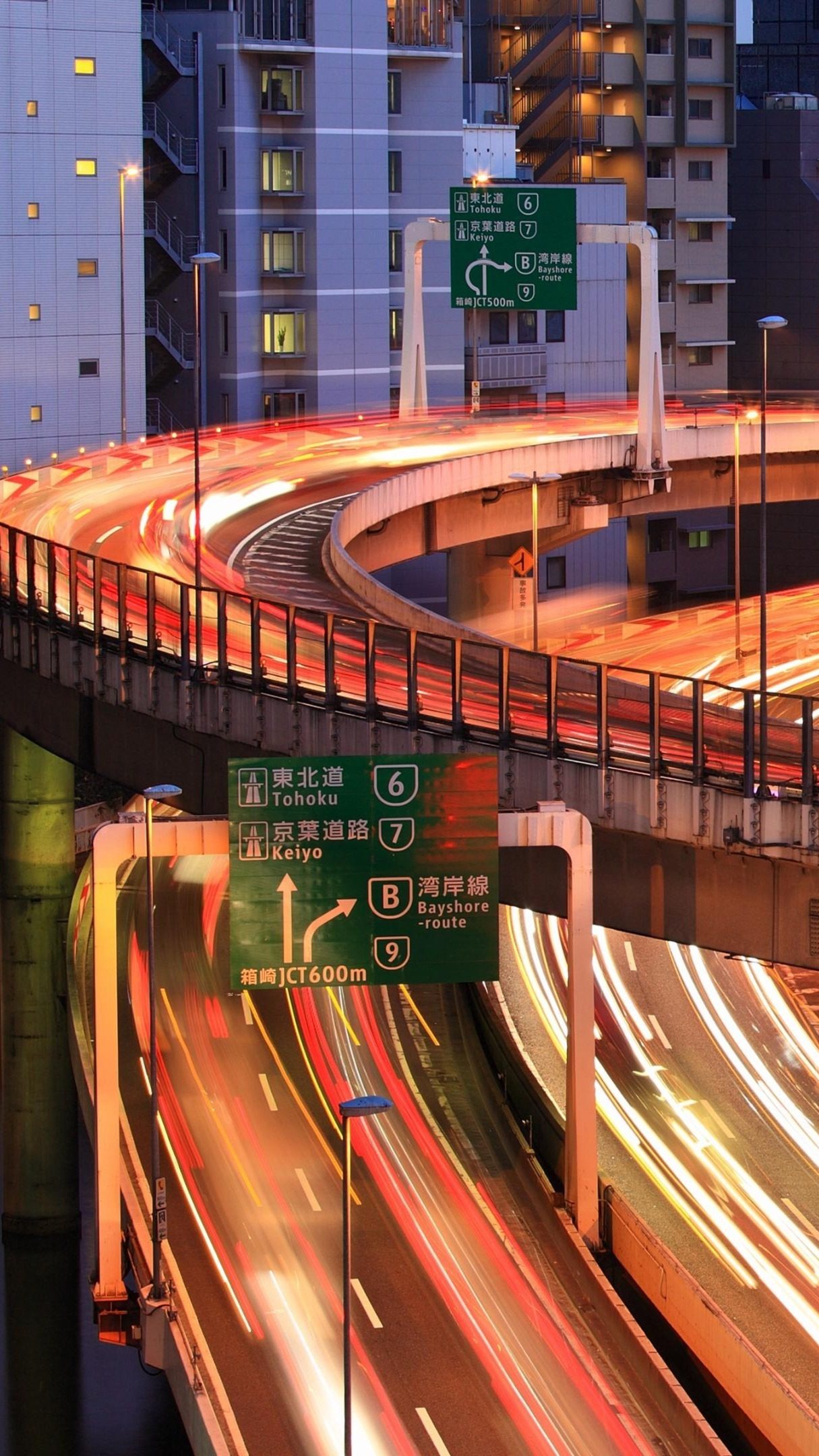
The long spiraling ramp provides a dramatic entrance to the Daikoku Parking Area.
This central feature is a landmark for meet organizers at the Daikoku Parking Area.
The central hub for restrooms and food at the Daikoku Parking Area.
A secondary building offering views of the bay near the Daikoku Parking Area.
A dedicated zone where professional drivers rest at the Daikoku Parking Area.
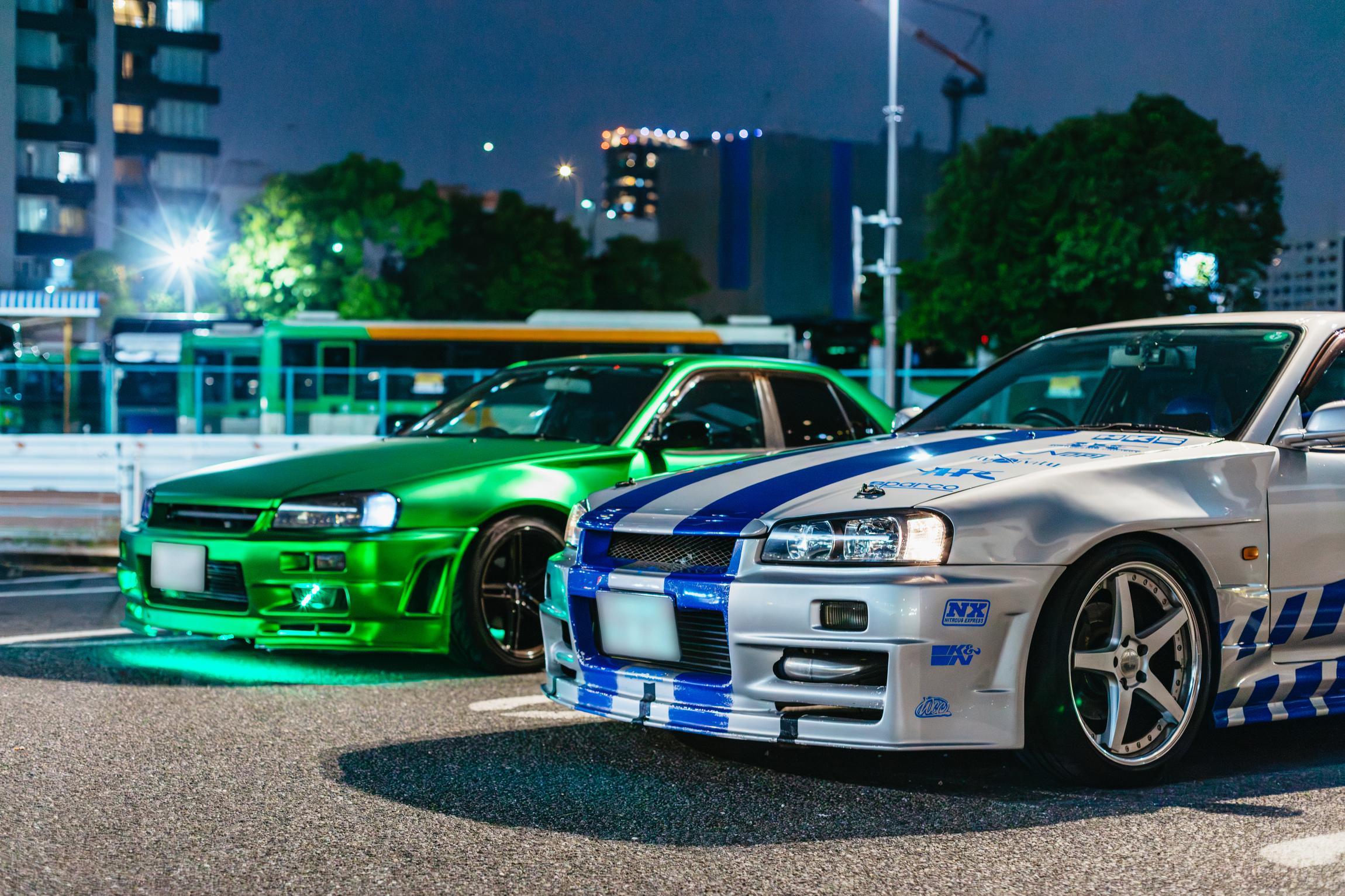
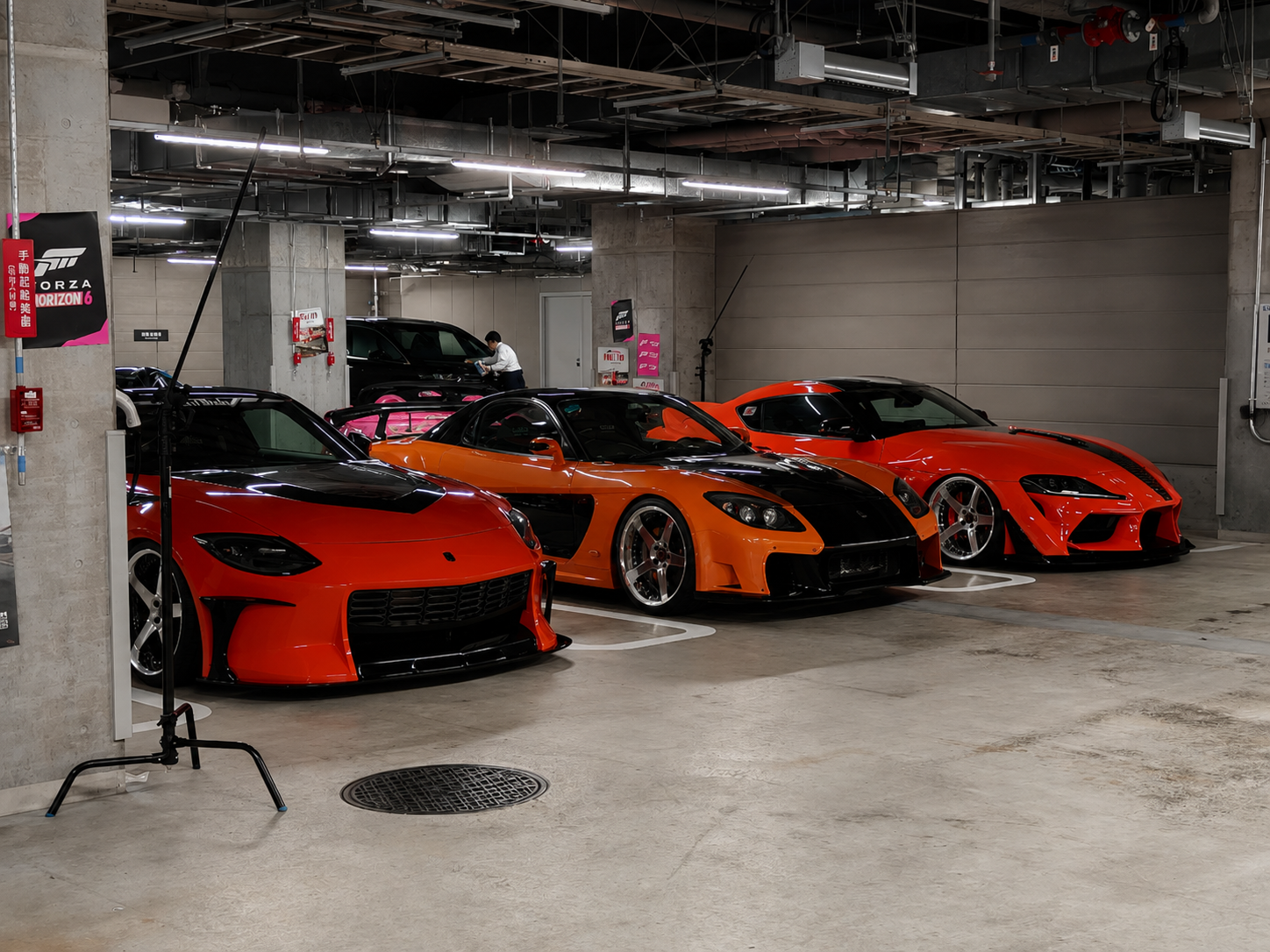
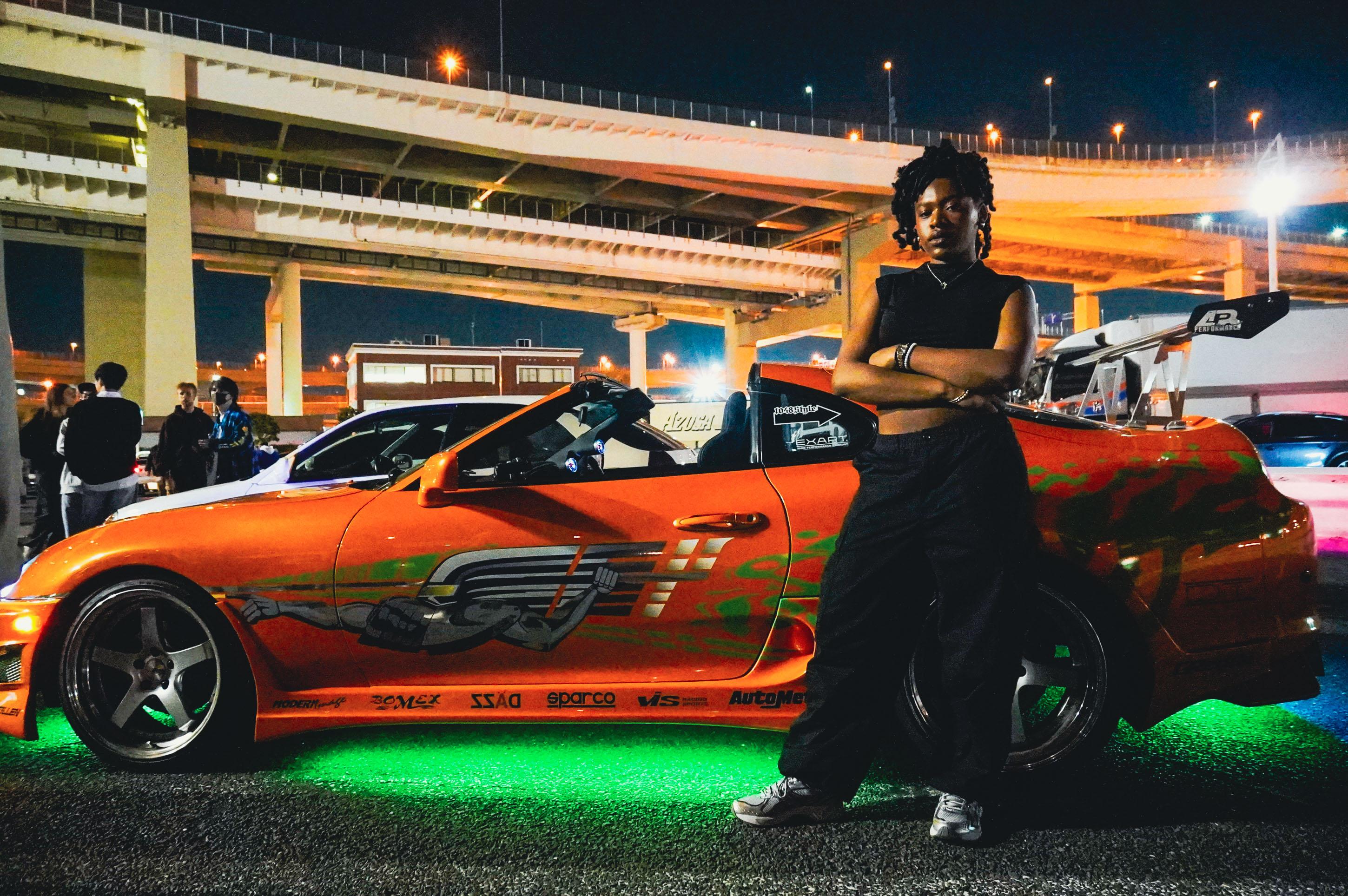
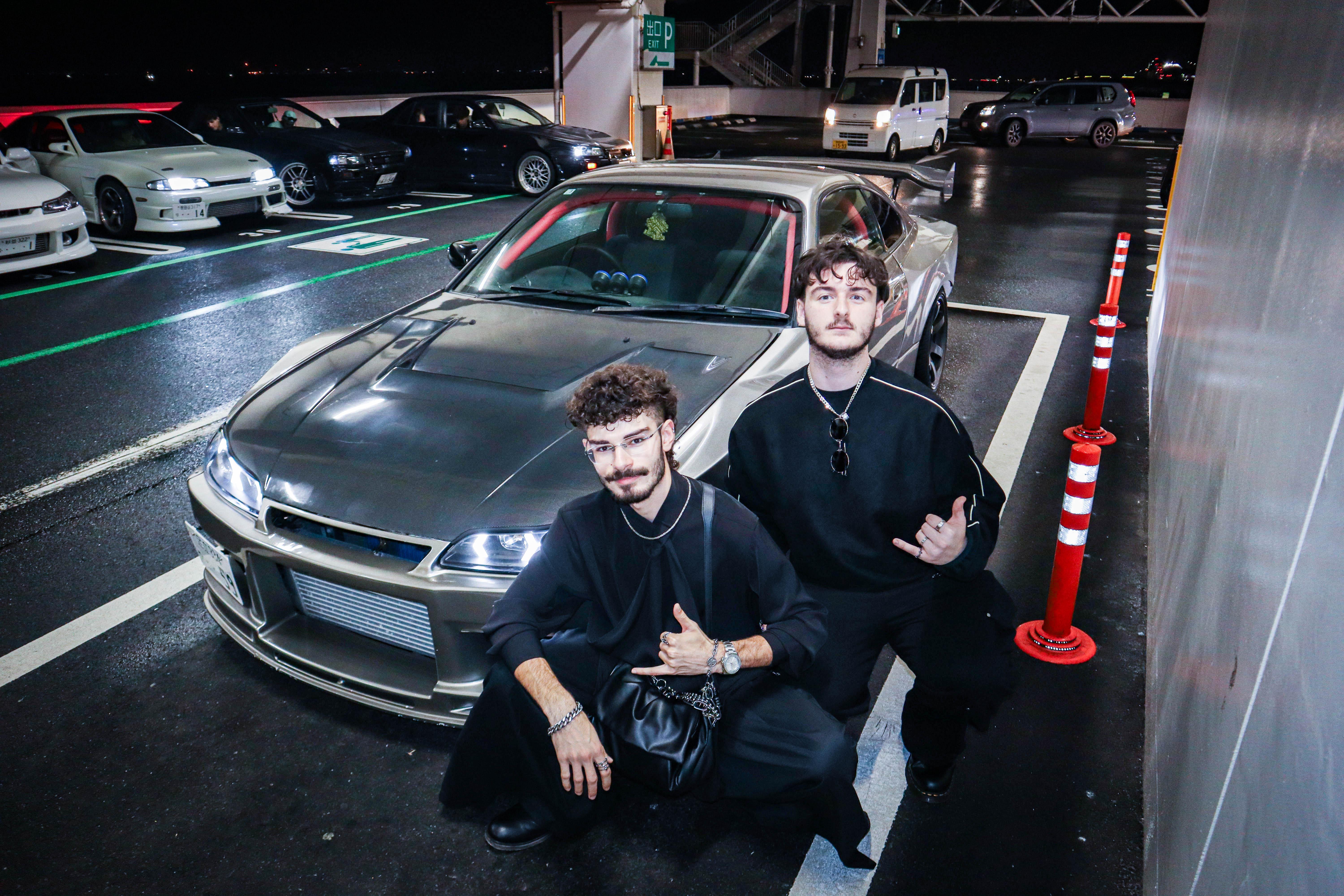
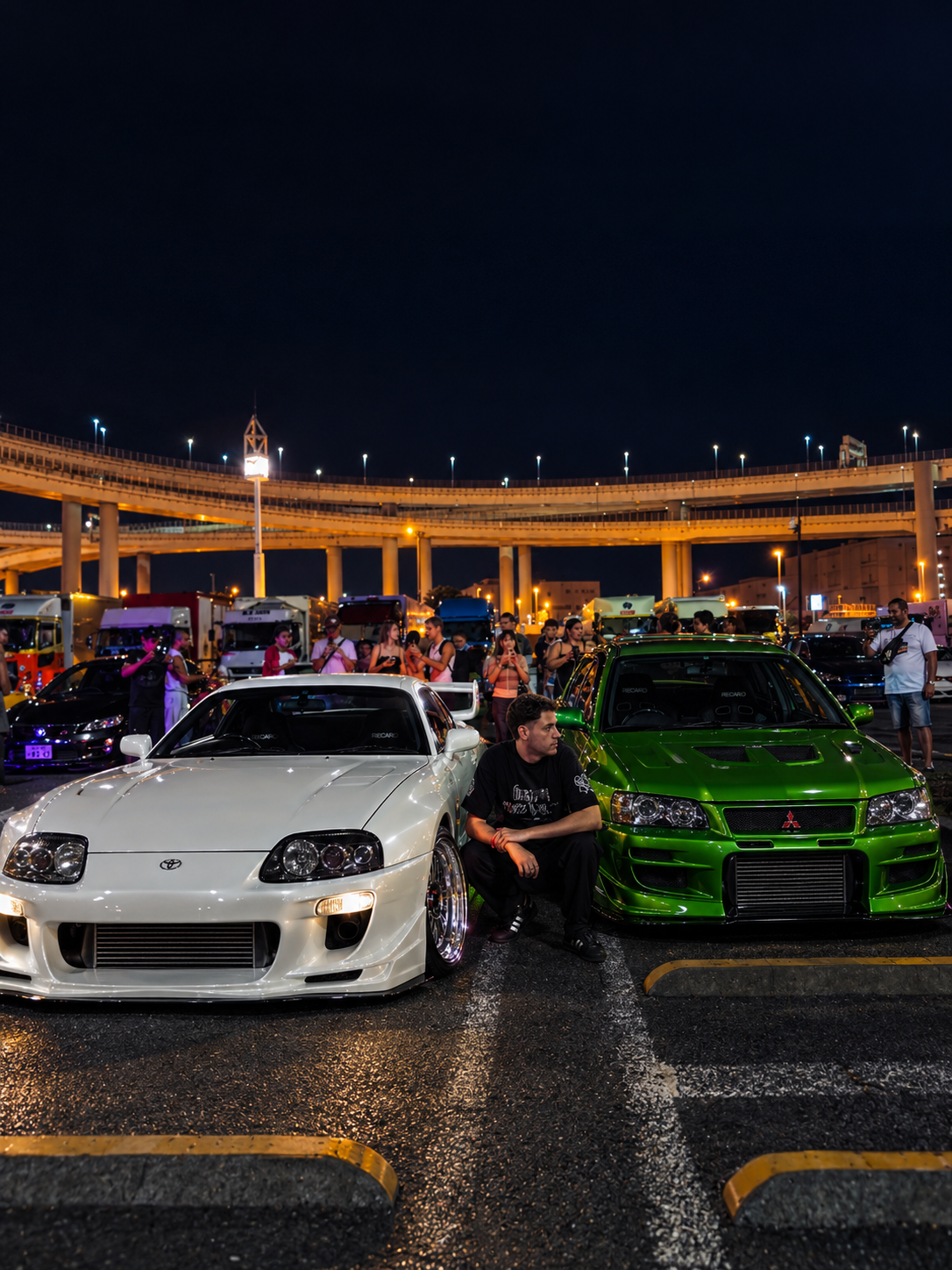
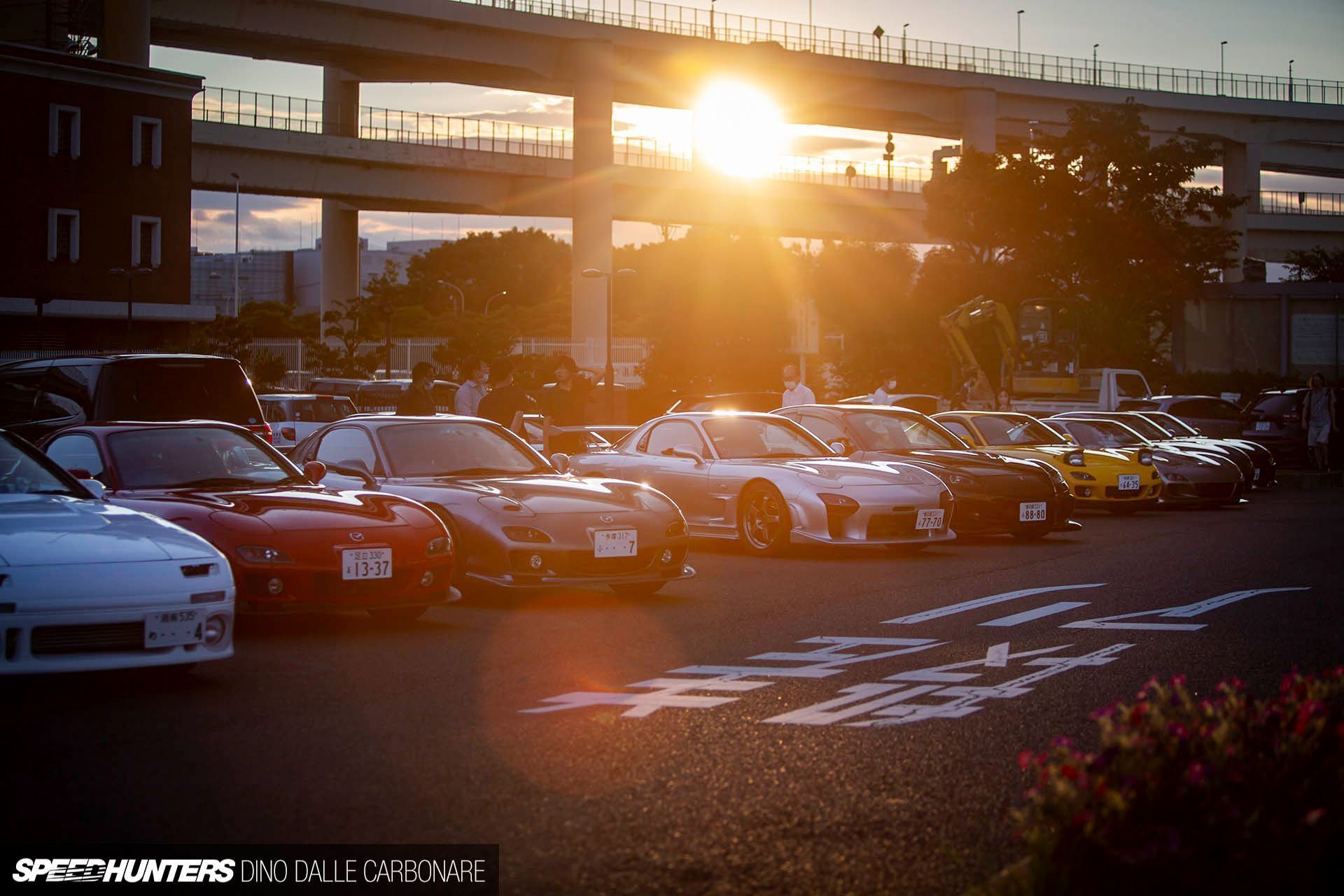
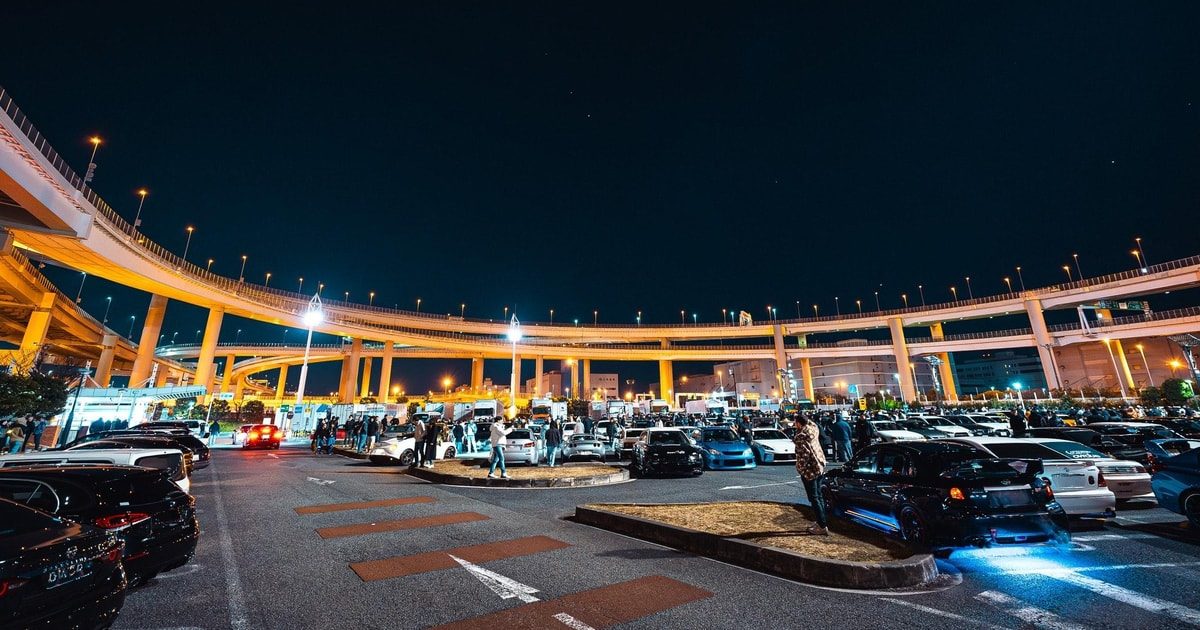
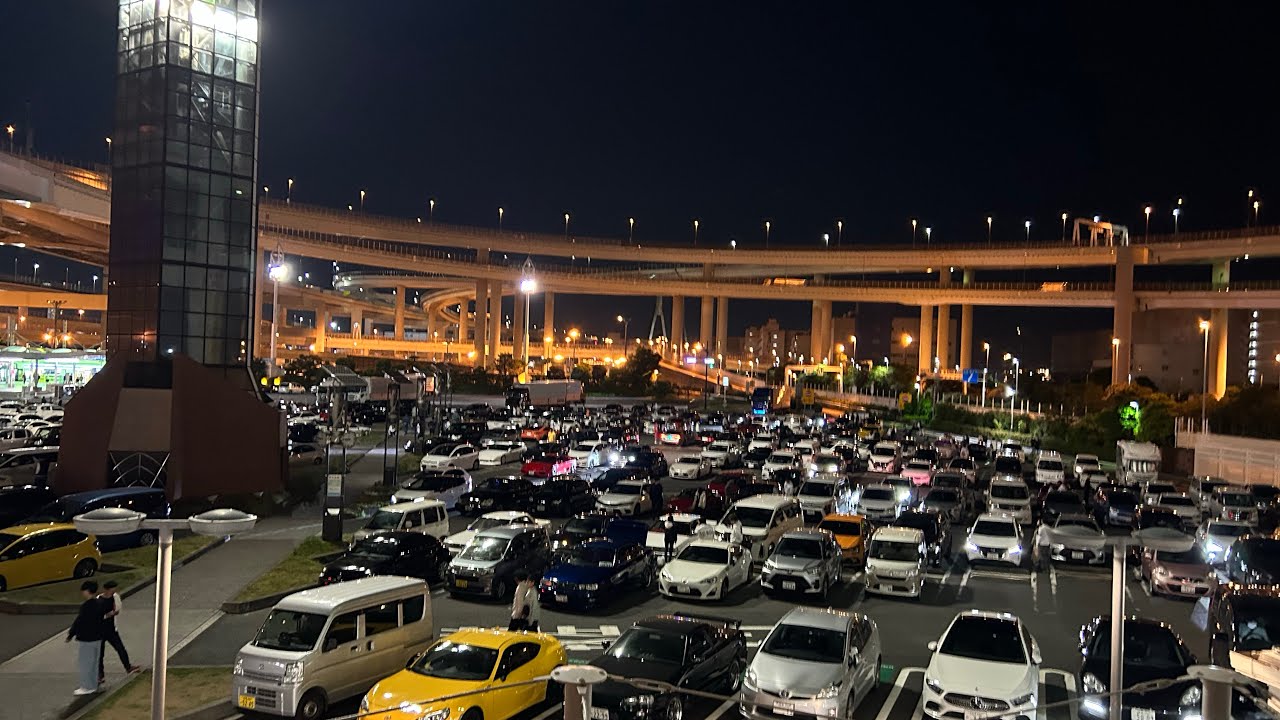
You arrive at Daikoku Parking Area just after 7 PM, when the first wave of Skylines and Supras begins filling the northern lot. The air smells of high-octane fuel and tire rubber as you walk past a cluster of FD RX-7s, their rotary engines ticking as they cool.
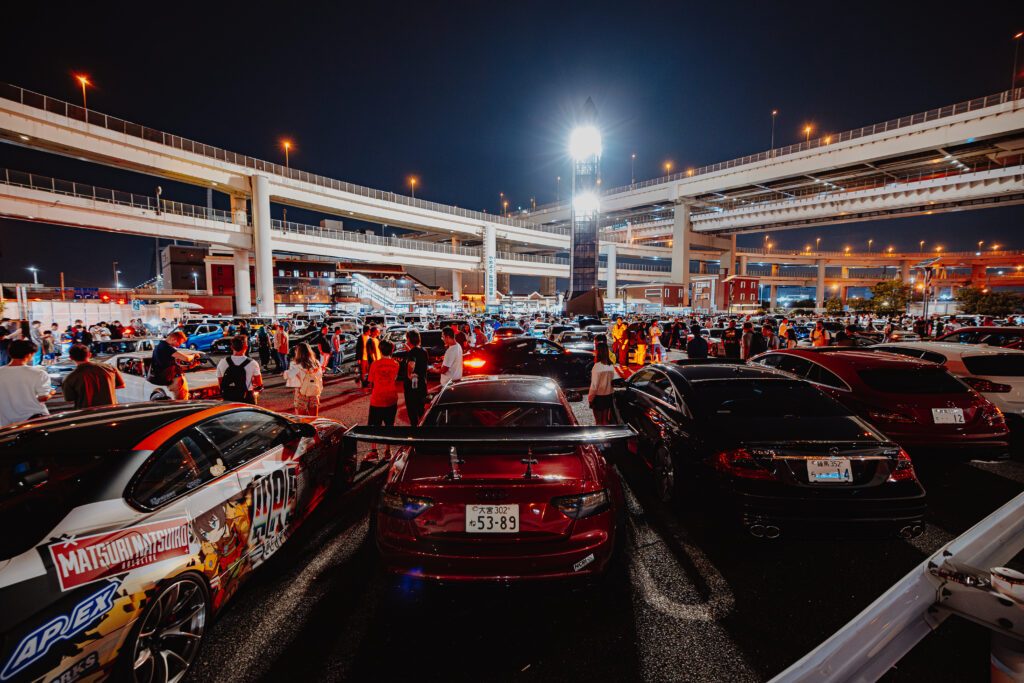
A group of photographers adjusts tripods near a red NSX-R, waiting for the perfect angle against the Tokyo Bay backdrop. You thread through rows of modified Civics and Evos, noting the mix of subtle and aggressive builds—some cars wear factory paint with quiet exhaust upgrades, others sport full aero kits and straight-piped titanium systems that bark on cold starts.
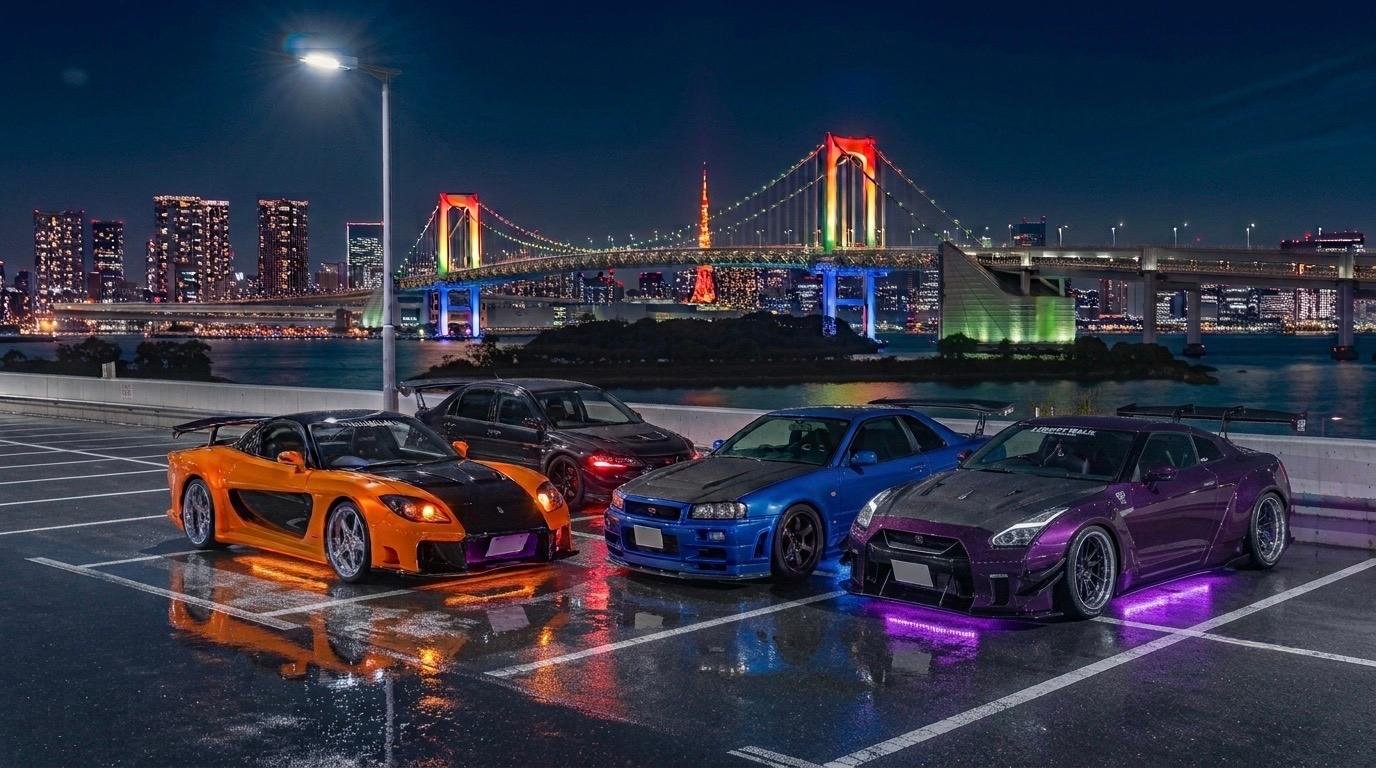
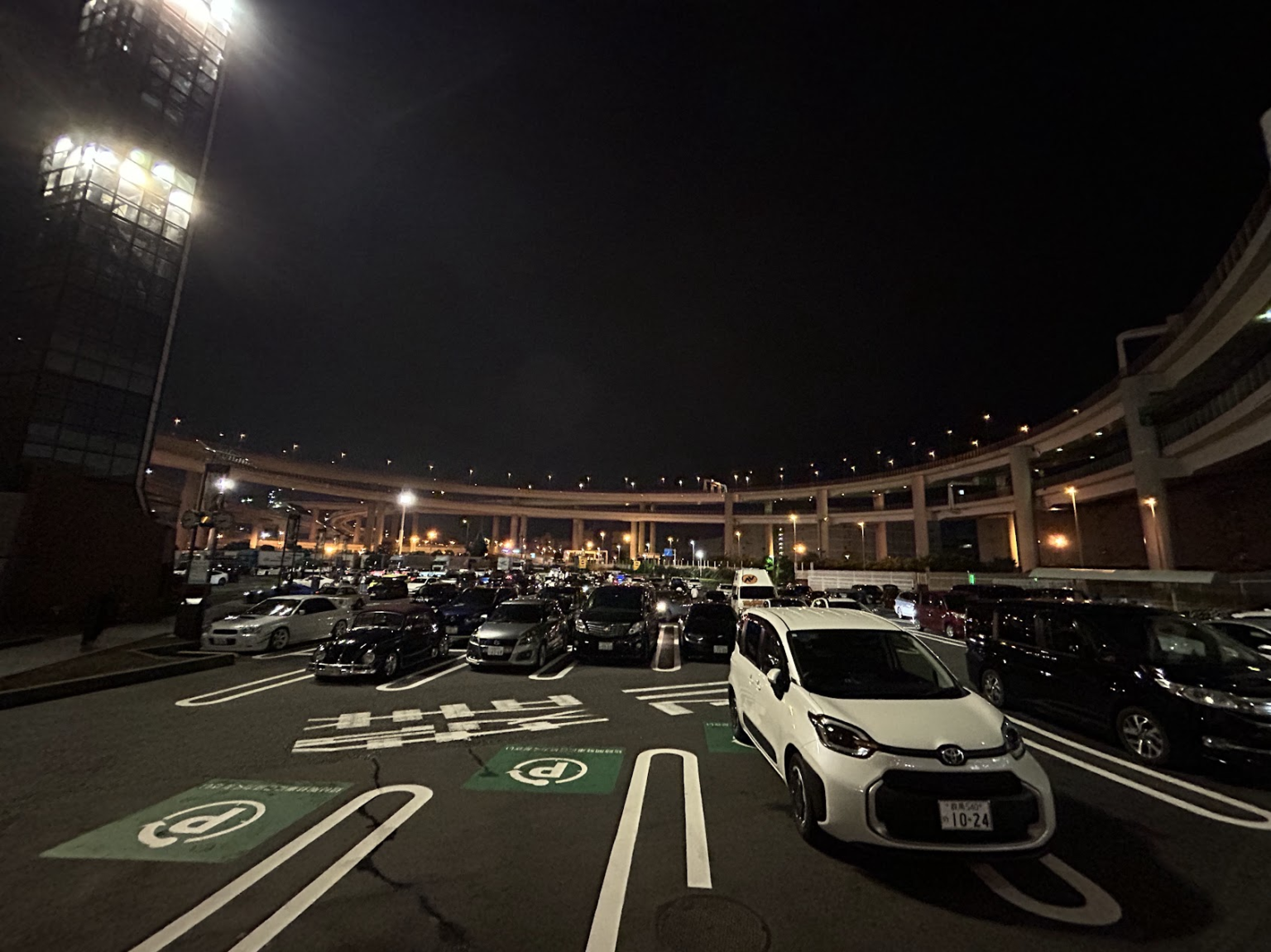
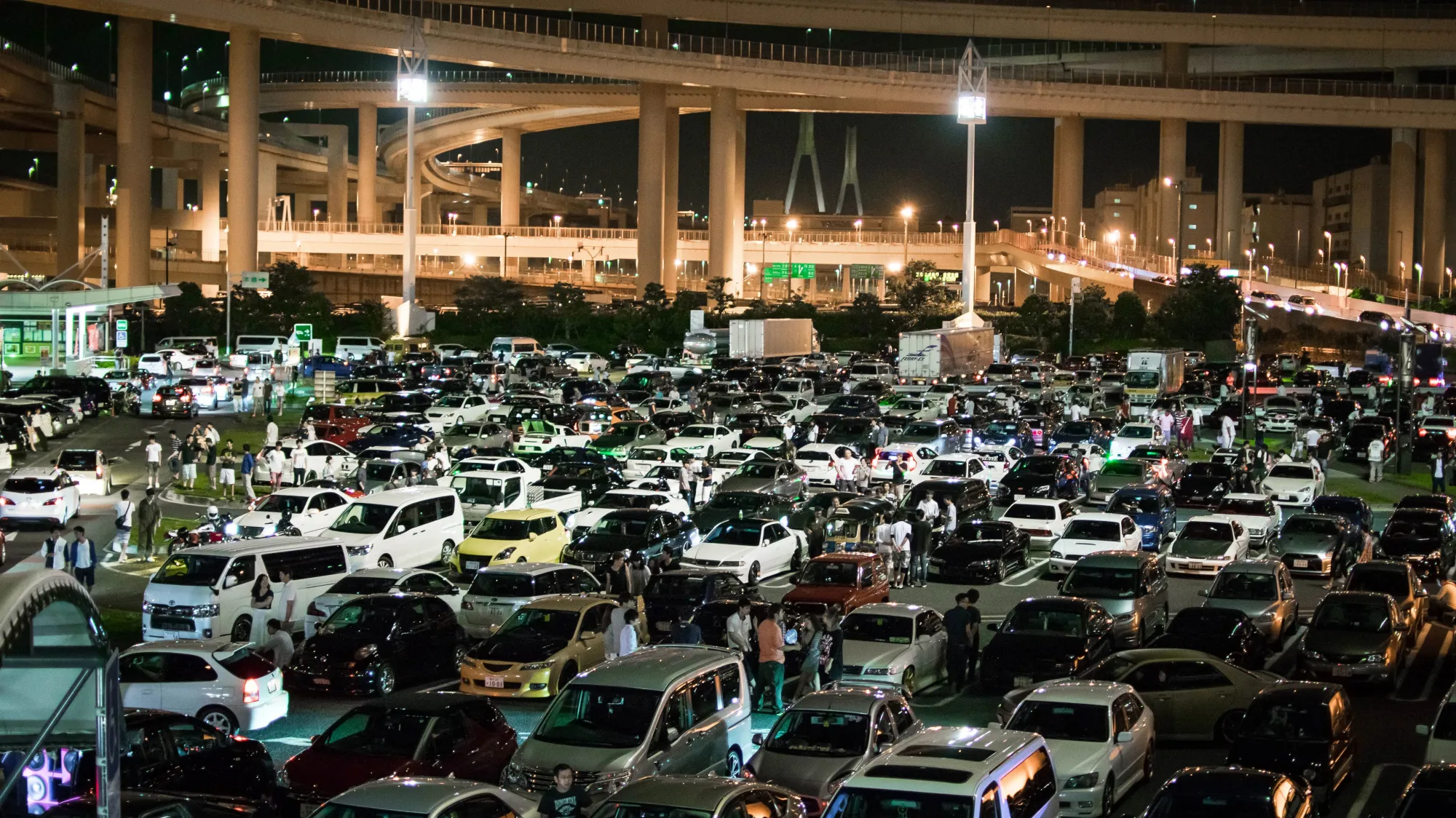
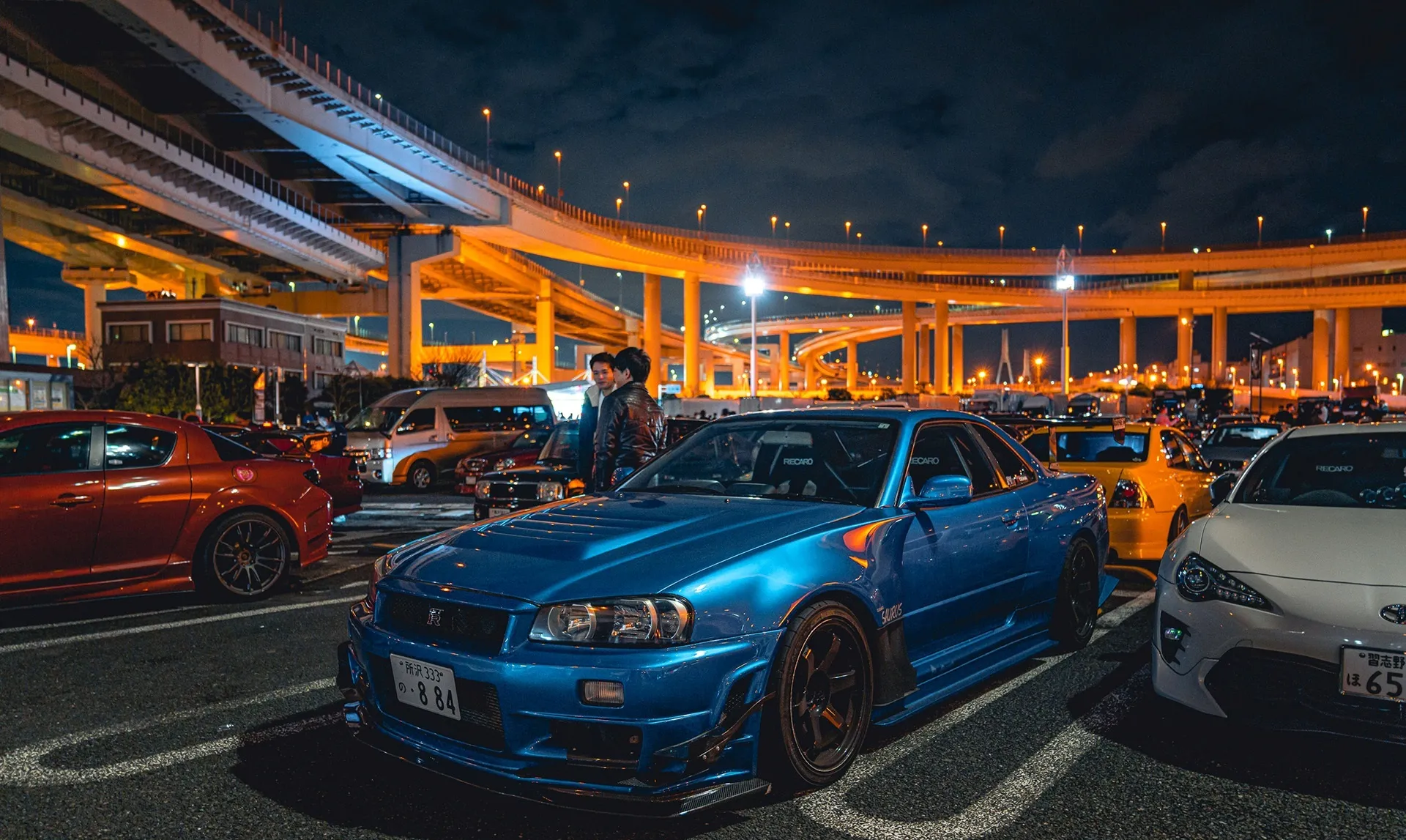
By 8 PM the density increases. You pause at a midnight purple R34 GT-R, its owner showing you the HKS turbo setup under the hood while explaining power figures in hushed, reverent tones. The FamilyMart hums with activity as crews stock up on coffee and onigiri between arrival waves. You climb the pedestrian overpass for an aerial view: three hundred cars arranged in loose clusters by marque, headlights reflecting off wet asphalt from an earlier drizzle. A convoy of S-chassis Silvias rolls in from the Wangan, exhausts popping on deceleration. You descend and walk the perimeter, cataloging details—a carbon Nismo bonnet here, a set of Volk TE37s there—each element a small thesis on what defines Japanese domestic market excellence.
All the details about your upcoming adventure in one place
Experience an authentic jdm tokyo tour at Daikoku Parking Area, the legendary car meet spot where Japan's modified sports cars gather weekly. This JDM Tokyo tour tickets experience takes you into the heart of Tokyo's street racing culture, where Skylines, Supras, and rare tuner builds congregate under the PA lights. You'll witness the automotive craftsmanship that defines Japan's domestic market scene.
Daikoku Parking Area opened in 1997 as a highway rest stop along the Bayshore Route, yet within a decade it had become the epicenter of Tokyo's underground car culture.
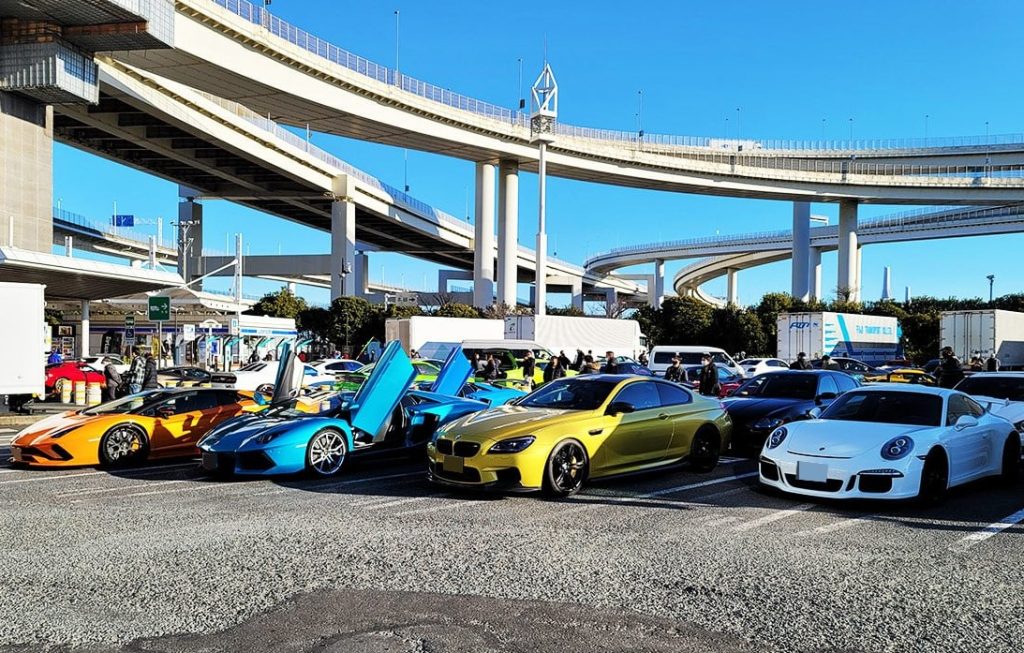
Every weekend night, Nissan Skyline GT-Rs, Toyota Supras, Mazda RX-7s, and Honda NSXs gather under fluorescent canopy lights, their owners trading modifications and quarter-mile stories in a ritual that predates social media by years. The 15-hectare asphalt expanse sits on reclaimed industrial land in Tsurumi Ward, fifteen minutes from central Yokohama, and its location at the intersection of the Wangan and Daikoku junction routes made it a natural waypoint for street racers cooling down after late-night runs.
The jdm tokyo tour phenomenon grew organically from Japan's domestic market tuning scene, where enthusiasts modify factory vehicles with performance parts unavailable overseas. Daikoku became the physical manifestation of that culture: a place where a 1989 R32 with a built RB26 engine parks beside a 2002 DC5 Integra Type R, both representing different eras of the same obsession with precision engineering. The parking area's layout—three open zones flanked by vending machines and a FamilyMart—creates natural gathering points where crews cluster by make and model. Photographers circle the rows with tripods, capturing long-exposure light trails as cars arrive and depart in waves.
Police presence fluctuates; Kanagawa Prefecture patrols occasionally close the lot without warning when crowds exceed capacity or noise complaints spike, a dynamic that adds unpredictability to any Tokyo JDM tours. The culture operates on unwritten codes: no burnouts in the lot, engines off after midnight, respect for the space that tolerates what most municipalities would ban outright. This self-regulation has preserved Daikoku's status for over two decades, even as similar spots in Tatsumi and Kawasaki fell to stricter enforcement.
The cars themselves form a living archive of Japan's bubble-era performance ambitions. Wide-body kits, titanium exhausts, carbon-kevlar hoods—each modification reflects both individual taste and the collective aesthetic of a subculture that values function as much as form. A JDM Tokyo tour drive through Daikoku on a Saturday night reveals not just vehicles but a social ecosystem: younger enthusiasts learning from veterans, international visitors trading Instagram handles, and the occasional celebrity car—a Keiichi Tsuchiya-replica AE86 or a Smokey Nagata Top Secret Supra—drawing reverent crowds.

Daikoku became the physical manifestation of Japan's tuning culture: a place where different eras of precision engineering park side by side.
Casual and comfortable, but be aware that jdm tokyo tour locations at the parking area involve standing outdoors, so dress for the season.
There are no security checkpoints at the entrance of this jdm tokyo tour hotspot. Keep personal belongings secure in your vehicle or on your person at all times.
Photography is highly popular here, but always respect the privacy of car owners. When on a jdm tokyo tour, avoid blocking traffic lanes or accessible parking spaces.
The area is open to families, though it remains a busy transit stop. Children should be kept close at all times due to active traffic within the parking facility.
The facility provides designated parking spaces for visitors with disabilities near the main building. Note that the sprawling nature of car meets can make navigating the site challenging.
Visitors can access a 24-hour convenience store and a food court for quick meals. Please dispose of all trash properly to maintain the cleanliness of the jdm tokyo tour site.
Opening Hours
00:00–23:59
Address
15-157 Daikokufuto, Tsurumi-ku, Yokohama, Kanagawa, Japan
Access Note
No pedestrian entry; arrive by vehicle
Best arrival window
19:00–21:00
Storage
Not available
Navigation
Set destination to Daikoku PA
Car
Access is only possible by driving on the Shuto Expressway. Take the Bayshore Route and follow signs for Daikoku PA.
Entry is 0 JPY. As the site is a public rest area with no admission fee required, there are no booking cancellations or refunds to manage.
Recommended time
2-3 hours
A typical jdm tokyo tour visit lasts around two to three hours, providing ample time to admire the modified machines and observe the vibrant automotive subculture. You should plan for a shorter duration if local authorities initiate sudden access restrictions due to high congestion, or extend your time if you prefer to engage with enthusiasts at a relaxed pace. Whether you are seeking a guided japan vehicle tour or visiting independently, flexibility is essential for the best experience.
Crowd levels through the day
Weather · crowds · average price — dots go green to amber to red as each metric rises.
Mild weather makes evening visits comfortable for your jdm tokyo tour.
Visit on a weekday to minimize the risk of sudden police closures.
Daikoku Parking Area opened in March 1985 as a utilitarian rest facility along the newly completed Bayshore Route, part of the Shutoko expressway network linking Tokyo and Yokohama. Engineers designed the 24-hour rest stop to serve long-haul truckers and travelers navigating the industrial waterfront. The parking area occupied reclaimed land in Tsurumi Ward, positioned between container terminals and petrochemical plants. For its first decade, Daikoku remained an unremarkable transit node, its primary visitors commercial drivers and commuters. The transformation began in the mid-1990s when street racers discovered the site's accessibility and legal ambiguity. Enthusiasts driving modified Skylines, Supras, and RX-7s began gathering late evenings after illegal Bayshore Route runs, using the parking area as a decompression point beyond police jurisdiction. By 1998, weekly meets drew hundreds of vehicles, establishing Daikoku as the nerve center of Tokyo's underground automotive culture. Media coverage of the gatherings, combined with the global success of Gran Turismo video games featuring the Bayshore Route, elevated the location's international profile. Foreign automotive journalists and tuning magazines began documenting the scene, cementing Daikoku's reputation among JDM enthusiasts worldwide. Authorities imposed periodic crackdowns throughout the 2000s, deploying officers to disperse crowds and cite modified vehicles for illegal exhausts or suspension alterations. Despite enforcement pressure, the meets persisted, evolving into a curated showcase where owners displayed million-yen builds under security lights. The 2011 earthquake briefly disrupted gatherings as the expressway network sustained damage, but activity resumed within months. Today, Daikoku PA functions as a hybrid space: daytime remains dominated by tourists on jdm tokyo tour itineraries seeking photo opportunities, while weekend nights attract serious collectors and builders. The parking area's open-access policy—no entrance fee, unrestricted hours—sustains its role as an egalitarian meeting ground, though police maintain sporadic presence to prevent street racing departures. Social media documentation has formalized what began as spontaneous congregation, transforming jdm tokyo tour visits into pilgrimage for automotive subculture adherents seeking connection to Japanese tuning heritage.
Daikoku Parking Area opens as a 24-hour rest facility on the newly completed Bayshore Route.
Street racers begin using the site as an informal gathering point after late-night expressway runs.
Weekly meets draw hundreds of modified vehicles, establishing Daikoku as Tokyo's premier car culture hub.
Authorities impose periodic crackdowns, deploying police to cite modified vehicles and disperse large gatherings.
Earthquake damage to expressway network briefly disrupts meets, though activity resumes within months.
Social media transforms spontaneous gatherings into documented events, attracting international tourists and collectors.
Dining at the Daikoku Parking Area primarily consists of convenient, self-service options suitable for those spending hours at a jdm tokyo tour. Because there are no traditional restaurants nearby, most visitors rely on the on-site facilities to stay fueled during their Yokohama sightseeing.
A 24-hour shop offering onigiri, hot drinks, and car-themed snacks perfect for a quick bite during your jdm tokyo tour tours.;Daikoku Food Court
Real experiences from real travelers
The jdm tokyo tour at Daikoku delivers exactly what you expect from Japan's most famous parking area meet. Arrived around 10 PM on a Saturday and the lot was packed with Skylines, Supras, and rare Kei trucks. The sound of straight-piped exhausts echoing under the highway overpass creates an atmosphere you cannot find anywhere else. Bring cash for the vending machines.
Took the train to Namiki-Chuo then walked fifteen minutes to reach Daikoku Futo. The concentration of modified vehicles here is unmatched, from classic Hakosuka GT-Rs to modern 86s with full aero kits. Most owners were happy to talk about their builds through translation apps. The view of the bay and bridges at night adds to the experience.
This jdm tokyo tour spot is not a tourist attraction but an actual gathering place for Japanese car enthusiasts. Saw everything from bosozoku-style vans to track-prepped NSXs. The parking area sits under massive expressway ramps which creates interesting lighting and acoustics. Go late evening on weekends for the biggest turnout.
Daikoku Parking Area offers an authentic look at Tokyo's street racing heritage and current tuning culture. The location itself is just a concrete lot with vending machines and minimal lighting. What makes it special is the community and the rotating selection of rare Japanese performance cars. Weekday visits were quieter with maybe twenty vehicles.
Captured incredible shots during this jdm tokyo tour experience at Daikoku Futo. The mix of neon underglow, brake lights, and sodium vapor lamps creates a cyberpunk aesthetic. Arrived at 9 PM and stayed until past midnight watching cars arrive and depart. Respectful photographers are welcomed but always ask before shooting someone's build up close.
Finally made it to Daikoku after years of seeing it in videos and magazines. The reality matched expectations, with dozens of heavily modified Japanese sports cars and their dedicated owners. The sound of a tuned RB26 launching onto the Wangan expressway is something you feel in your chest. Free to visit but bring yen for drinks and snacks from machines.
The atmosphere at Daikoku Parking Area comes alive after 10 PM when the serious enthusiasts arrive with their weekend builds. Witnessed impromptu dyno discussions, parts trading, and route planning for Wangan runs. The Tokyo skyline and Bay Bridge provide a dramatic backdrop to the gathering. Security occasionally patrols but generally leaves the meet alone.
This parking area under the expressway junction serves as the unofficial headquarters for the jdm tokyo tour scene and has for decades. Saw rare variants like Mine's R34, Top Secret V12 Supra builds, and meticulously restored AE86s. The concrete and asphalt setting might seem plain but the cars and community make it essential. Most active Friday and Saturday nights.
Visited Daikoku Futo on a Thursday around 11 PM and found a smaller but dedicated crowd of about thirty vehicles. The location is easy to reach by taxi from Yokohama stations. Watching modified cars exit onto the Bayshore Route expressway provides context for why this spot became legendary among Japanese street racers.
Any jdm tokyo tour itinerary should include Daikoku Parking Area for its role in Japanese automotive culture. The variety spans every era from Showa-period classics to current-gen tuner platforms. Owners range from professional shop builders to weekend hobbyists. The industrial setting under highway infrastructure creates a raw, unpretentious environment that defines the scene.
Everything you need to know for your journey
Daikoku Parking Area is open 24 hours every day (00:00–23:59).
No, there is 0 JPY entrance fee for any jdm tokyo tour.
Access to the Daikoku Parking Area is only possible by car via the expressway.
No, it is illegal and unsafe to enter on foot as it is an expressway rest area.
The best arrival window for your jdm tokyo tour is 19:00–21:00.
Prohibited items include grills, loud speakers, and dangerous items at the Daikoku Parking Area.
Yes, photography is common at this jdm tokyo tour site, provided you respect the owners.
Yes, families are welcome, but monitor children closely at the Daikoku Parking Area.
If police close the site, you must depart and find an alternative route as directed.
Yes, there is a convenience store and food court available at the Daikoku Parking Area.
An iconic cable-stayed bridge spanning Tokyo Bay that provides the backdrop for the area.
Luxury hotels located near the port.
Join thousands of happy travelers who have discovered this incredible experience
Book Your Experience Now